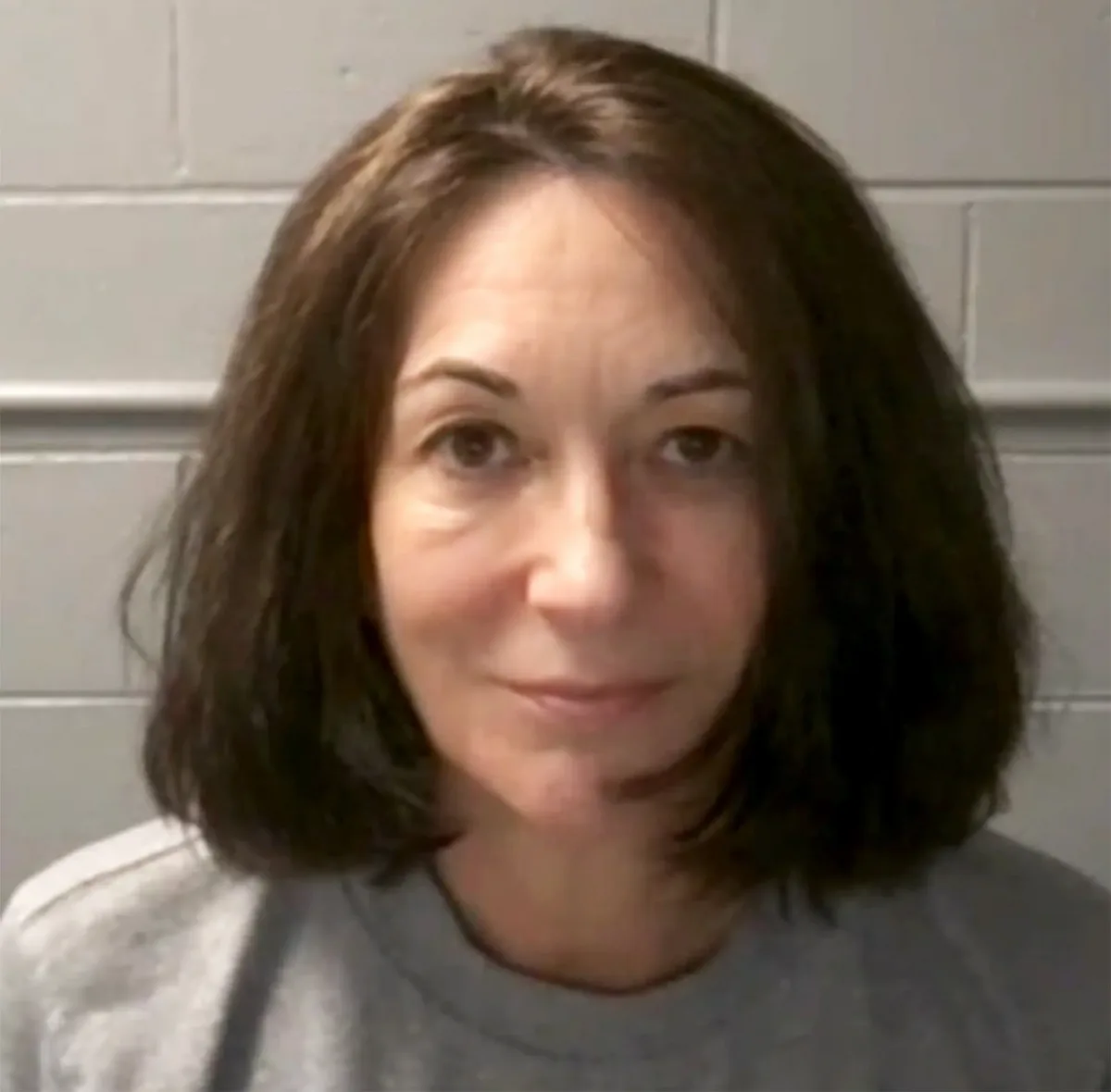
Congressional staff toured Ghislaine Maxwell's Texas prison this week and the warden told them something remarkable: out of more than 600 women at that facility, Maxwell is the only convicted sex offender there, and he has no idea why she was sent to him. That's not a bureaucratic oversight. That's a story.
A Campus Visit, But Not the Fun Kind
Staff from the House oversight and judiciary committees traveled to the federal prison camp in Bryan, Texas on Tuesday to investigate Maxwell's transfer and the mounting allegations that she has been living a rather cushy version of incarceration. According to Democratic representatives Robert Garcia and Jamie Raskin, the prison staff gave the committee a thorough tour of the grounds.
The tour apparently confirmed one thing immediately. As Garcia told CNN this week, staff came back with a unanimous verdict: 'This is a park-like campus, and Ghislaine Maxwell should not be there.' The woman convicted of helping Jeffrey Epstein sexually traffic minors is, by all appearances, spending her 20-year sentence somewhere that sounds like a wellness retreat.
For context, Maxwell had previously been held at a low-security federal prison in Florida. That is where the Bureau of Prisons typically sends convicted sex offenders, per its own classification guidelines. Minimum-security camps are generally reserved for nonviolent offenders with clean disciplinary records. Maxwell got moved up a tier anyway, about a week after sitting down for a private interview with then-deputy attorney general Todd Blanche.
Nobody Can Explain the Transfer, Including the People Running the Prison
Here is where it gets genuinely strange. The warden of the Bryan facility told congressional staff that Maxwell is the sole convicted sex offender among his 635 inmates, and that he cannot explain why she was placed there. The man running the prison does not know why his most famous inmate ended up in his custody. That answer should not be acceptable to anyone.
Blanche has defended the transfer publicly, saying it was necessary for Maxwell's safety due to threats against her. The Guardian reports that this explanation has not satisfied Democratic lawmakers, who note that security concerns typically result in higher security placements, not lower ones. Moving someone to a less secure facility because you are worried about threats to them is not how prison classification logic works.
According to Garcia and Raskin's statement, Bureau of Prisons leadership did not make things clearer during the visit. The lawmakers said BOP leadership 'repeatedly shut down our lines of questioning or could not provide basic information' about Maxwell's treatment, about allegations of sexual assault at the facility, and about retaliation against inmates who tried to report what they were seeing. The committee staff also said they have 'serious concerns about the accuracy and veracity of information' they received during the visit.
The Whistleblowers, the Laptop, and the Puppy
This investigation did not start this week. Back in November, Raskin sent a letter to Donald Trump directly, disclosing that a whistleblower had alleged Maxwell was receiving favorable treatment at the Texas facility. Then in January, Raskin and Garcia followed up with a letter to then-attorney general Pam Bondi saying the number of whistleblowers had grown to more than a dozen.
The allegations those whistleblowers brought forward, as The Guardian reports, include claims that Maxwell was allowed to use a laptop without supervision, kept more personal and legal possessions than other inmates, received bottled water while other inmates drank from the tap, was given access to staff-only areas to watch television alone, received custom-prepared meals, and was allowed contact visits where guests brought computers. Oh, and there was reportedly a puppy.
Maxwell's attorney David O. Markus pushed back in January, telling the New York Times that 'humane treatment isn't special treatment, and political prison tours don't move the country forward.' Which is a fine-sounding legal defense that completely sidesteps the question of whether any other inmate at that facility gets bottled water and unsupervised laptop access. The Bureau of Prisons, for its part, said in a statement that preferential treatment allegations are 'taken seriously and thoroughly investigated' internally. The warden's apparent inability to explain his most famous inmate's presence there suggests the internal investigation may need some external assistance.
What Congress Actually Got Out of This Visit
Congressional staff were not granted access to Maxwell herself during the visit. So they toured the grounds, got stonewalled on the key questions, heard the warden admit he does not know why Maxwell is there, and left with more concerns than they arrived with.
Raskin and Garcia said their investigation will continue. What form that takes next is unclear, given that Republicans control both committees and have shown limited appetite for pushing these questions through official channels. The Democrats can send letters, conduct visits, and issue statements, but turning this into compelled testimony or subpoenaed records requires committee majorities they do not have.
The Epstein file has proven to be one of those stories that keeps producing new and uncomfortable details without ever fully resolving. Maxwell is three years into a 20-year sentence. The records surrounding Epstein's network have been released in fits and starts. And now the woman at the center of one of the most significant sex trafficking prosecutions in recent American history is at a minimum-security park campus in Texas, and the man running the place cannot tell you how she got there.
The Dingo Take
Let's be honest about what we are looking at. A convicted sex trafficker was quietly transferred to a nicer prison one week after a private meeting with a senior Trump Justice Department official. The warden of the receiving facility has no explanation for her presence. Over a dozen whistleblowers have come forward alleging she gets bottled water, unsupervised technology access, and custom meals while other inmates live by standard rules. And when Congress showed up to ask questions, the Bureau of Prisons stonewalled them on every substantive point. If this were happening to any other category of federal prisoner, the people responsible for the transfer would be explaining themselves under oath by now.
The 'humane treatment isn't special treatment' line from Maxwell's lawyer is doing a lot of work. Nobody is arguing that Maxwell should be mistreated. The argument is that she appears to be receiving conditions categorically unavailable to the other 634 women at that facility, who committed less serious crimes and have fewer famous friends. That is not a humane treatment question. That is a equal application of the rules question, and the answer so far has been a shrug from the people in charge.
There is a version of this story where everything has a boring administrative explanation and it all checks out under scrutiny. But that version requires the Bureau of Prisons to actually provide the scrutiny, the warden to be able to explain a basic placement decision, and BOP leadership to stop shutting down congressional questions mid-sentence. None of that has happened. What we have instead is a woman who helped traffic children to powerful men sitting in a park-like campus in Texas while the people responsible for putting her there plead ignorance. Whatever the Epstein files eventually show, this part of the story is already written.




Comments