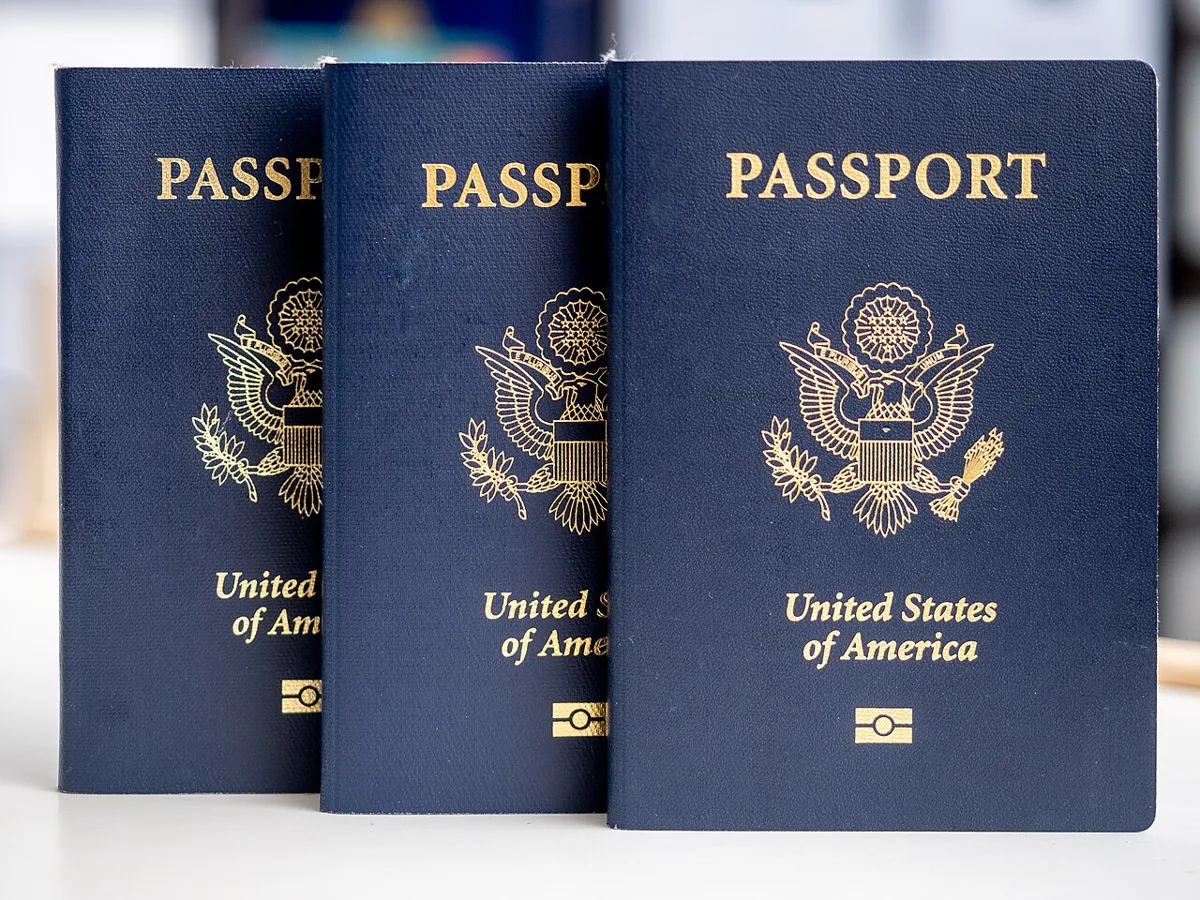
The Trump administration wants to strip citizenship from hundreds of Americans, and it wants to do it fast. The Justice Department is preparing to file at least 250 denaturalization cases by October, according to International Business Times UK, in the most aggressive citizenship-revocation campaign the country has seen in decades. If that number sounds like a policy goal, understand that it is also a deadline.
250 Cases. One Deadline. Zero Chill.
Let's put some numbers on this. International Business Times UK reports that DOJ officials have identified hundreds of naturalised citizens whose cases could potentially be reviewed, with civil litigators across regional offices already being assigned to denaturalization work. The department reportedly filed 29 cases over a recent two-month stretch. Now it wants to blow past that pace and hit 250 by fall.
That acceleration is the story. Denaturalization has historically been reserved for the most extreme cases imaginable: Nazi war criminals hiding in Ohio suburbs, terrorism financiers, people who lied about genocide. The list of people who have actually lost citizenship is short because the bar was deliberately, intentionally high. The Trump administration has apparently decided the bar is more of a suggestion.
Prosecutors have reportedly been directed to 'maximally pursue' eligible cases, per IBT's reporting. That phrase is doing a lot of work. It signals that the pressure is coming from the top and that line attorneys are expected to produce results, not exercise restraint.
What They're Saying the Cases Are About
The administration's stated justification is straightforward enough. Officials say they are targeting people who obtained citizenship through fraud, concealed criminal histories, or failed to disclose information that would have made them ineligible. The Justice Department has pointed to examples involving sexual abuse offences and terrorism-related conduct as the kinds of cases it's pursuing.
Fine. Nobody reasonable is going to argue that a convicted sex offender who lied their way to a passport should keep it. That's not the debate. The debate is whether a government that has spent the last year treating the entire immigration system as a political weapon should be handed a dramatically expanded toolkit for stripping people of the most protected legal status in the country.
Critics are raising exactly that concern. When an administration talks about 'maximally pursuing' cases while simultaneously running the most aggressive anti-immigrant operation in living memory, the word 'fraud' starts to feel very elastic.
The Legal Wall This Is Going to Hit
Here's where this gets genuinely complicated, and where the administration may have overestimated what it can actually accomplish. Unlike deportation, which operates through administrative proceedings, denaturalization requires a federal court. The government has to file a case, present evidence, and convince a judge using a demanding standard: clear, convincing and unequivocal proof.
That is not a low bar. That is a high bar with a moat around it. And Stacey Young, an 18-year Justice Department veteran who now leads Justice Connection, told CNN that even if the administration files aggressively, the court process itself is a fundamental limitation. Each case can take years. Each case eats significant government resources. You cannot just announce 250 denaturalizations and make it happen by October.
So there's a gap opening up here between the political signal the administration is sending and the legal reality it's going to encounter. Filing 250 cases and winning 250 cases are very different things. The courts are not obligated to share the DOJ's sense of urgency.
Why This Scares People Beyond the Obvious
Citizenship, once granted, has always been understood as permanent. That understanding is not just sentimental. It's foundational. The whole point of naturalization is that it's the finish line, not a probationary status you can lose if a new administration decides you're the wrong kind of American.
Civil liberties groups are warning that scaling up denaturalization, even if the initial cases look clean, creates a precedent and an infrastructure that can be turned toward broader purposes. They're not wrong to think about it that way. Governments rarely build tools and then leave them sitting in the garage.
IBT UK notes that the numbers remain small compared with the hundreds of thousands of people who become citizens each year. That's true. But the signal being sent to millions of naturalized Americans is not small. The message is that your citizenship is conditional in a way that a native-born American's never is. That is a genuinely different kind of country.
The Dingo Take
The Trump administration has a habit of announcing things at a scale it cannot legally or logistically deliver, and then claiming victory anyway. This might be another one of those. Filing 250 denaturalization cases by October is a political statement as much as a legal strategy. It tells the base that something dramatic is happening. Whether any of those cases actually result in someone losing citizenship is a problem for later, and for the courts.
But here's the thing about treating citizenship as a tool of enforcement: once you normalize the idea that naturalized Americans live under a different, revocable legal status, you don't easily walk that back. The cases that get filed and lost still drag people through years of federal litigation. The fear they generate is real regardless of the outcome. The chilling effect on millions of people who did nothing wrong is the point, not a side effect.
Stacey Young is right that the courts are the check here, and the legal standard for denaturalization exists precisely because the founders of this system understood that the government cannot be trusted with unchecked power over who gets to stay American. That limit is about to get tested in a serious way. Watch the federal dockets, not the press releases.





Comments