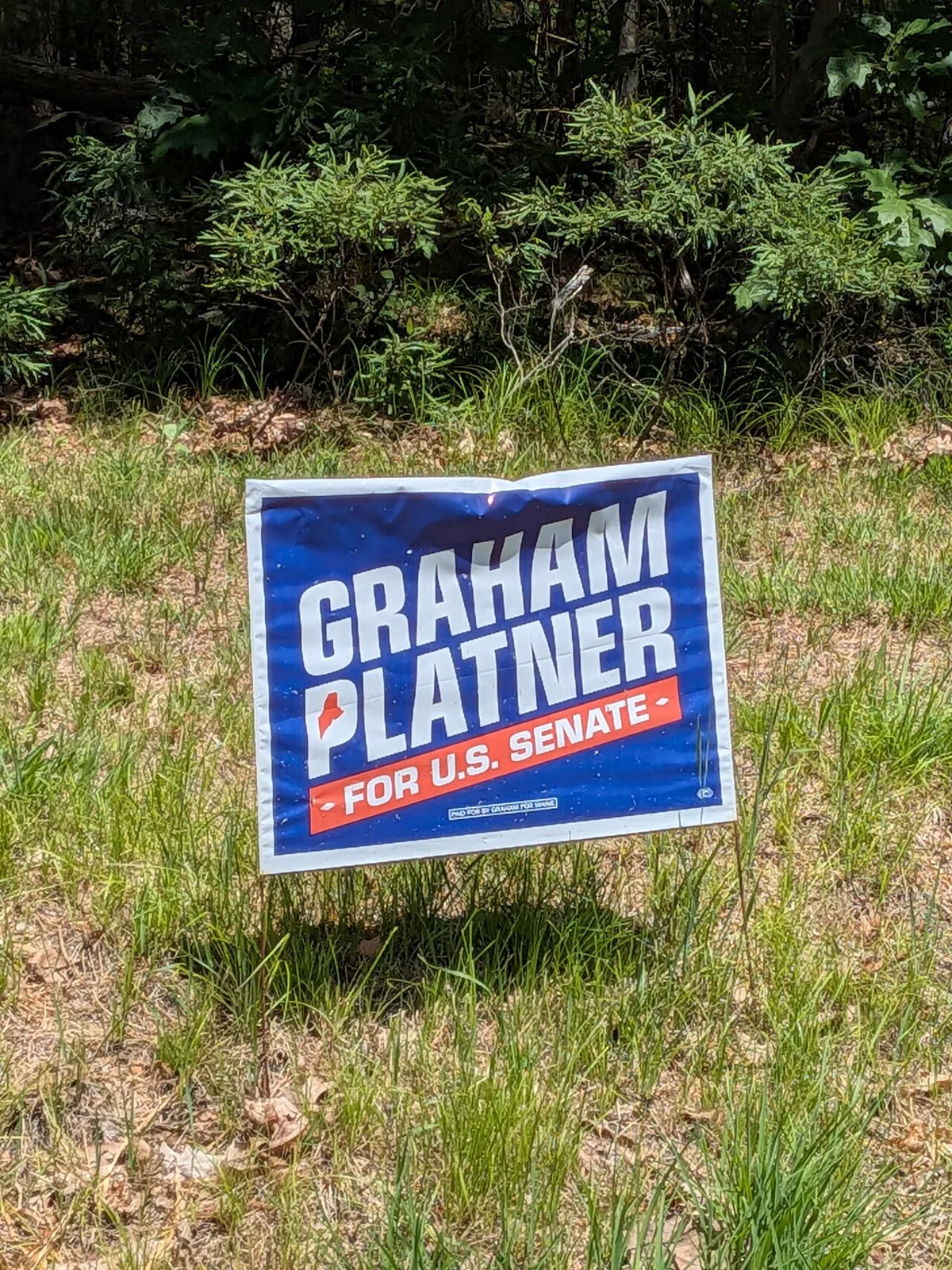
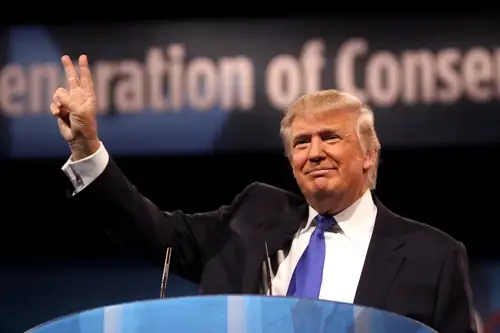
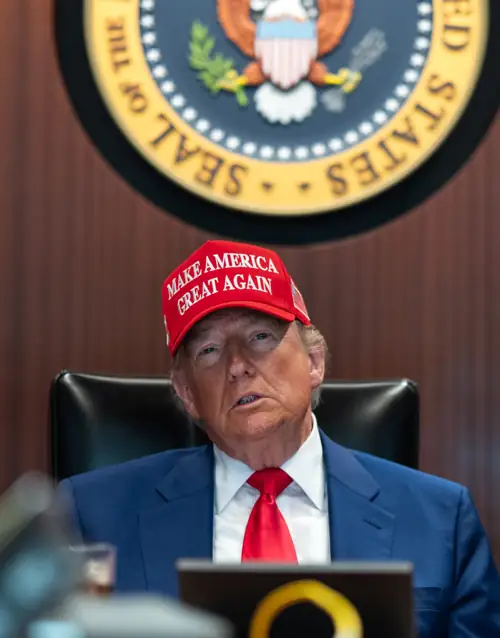
Donald Trump, a man with his own extensive bibliography of sexual misconduct allegations, climbed aboard Air Force One on Wednesday and offered his hot take on the Graham Platner rape allegation scandal. The quote he produced should probably be framed and hung in the Museum of Things You Should Never Say Out Loud.
What He Actually Said, Word for Word
Speaking to reporters on Air Force One while returning from the NATO summit in Ankara, Trump offered this on the Platner situation: "It's really a question of whether or not you believe the woman. A lot of people say big falsehoods. It's... he's in a bind. He's in a bind."
That's a direct quote from Fox News. Read it again. The President of the United States, unprompted, floated the idea that rape accusers might just be lying. About a man he has no particular political stake in protecting. On a government plane. To a room full of reporters.
He then predicted Platner would lose, which is the kind of bold electoral forecasting you can produce when someone has already suspended their campaign.
Who Is Graham Platner and Why Does Any of This Matter
Graham Platner was the Democratic candidate for Senate in Maine, a crucial race in a cycle where Democrats are trying to claw back the chamber. He was an oyster farmer, which was charming, until it wasn't.
Politico published a bombshell report detailing allegations from Platner's ex-girlfriend Jenny Racicot, who says he forced his way into her home and sexually assaulted her in 2021. Then the New York Times reported a separate physical abuse allegation from Lyndsey Fifield, a digital strategist who has worked for Republican campaigns.
Platner suspended his campaign Wednesday evening after his Democratic support evaporated at speed. He denied the allegations and made clear the suspension was not an admission of guilt. Under Maine state law, he has until July 13 to formally drop out and allow the state Democratic Party to put a replacement on the ballot.
The Part Where Trump Makes It About Republicans
Trump, being Trump, could not resist turning this into a grievance about media bias. "It's very interesting when the Republican woman came out with the same charge, nobody believed her," he told reporters, referring to Fifield. "When this woman came out everybody believed her, right?"
This is a reference to Fifield's complaint that the New York Times buried her allegations under eleven paragraphs of her professional history working for Republican clients. She told Fox News Digital on Wednesday that she felt "betrayed" by the paper's framing. "I'm out here on my own, I'm the only one photographed and there's 11 paragraphs of my work history. Like, what is this?"
Fifield's criticism of how her story was handled is actually a legitimate grievance worth taking seriously. Her political background is irrelevant to whether she was abused. The Times should answer for that editorial choice. But Trump using her as a prop to suggest that Democratic accusers get automatic belief while Republican accusers get ignored is, let's say, rich coming from a man whose accusers numbered in the dozens before he ever reached the Oval Office.
The Senate Math Is the Real Story Here
Set aside the soap opera for a second and look at what this means for the 2026 midterms. Maine is a genuine pickup opportunity for Democrats. Platner was not a perfect candidate, but he was a candidate, and now he is a suspended candidate with a ticking clock.
July 13 is the deadline for Platner to formally exit and allow the Maine Democratic Party to install a replacement on the ballot. If he misses that window, Democrats could be stuck running a candidate who has admitted he probably cannot win. The party is already scrambling, and as Trump correctly noted, finding a credible replacement on a compressed timeline in the middle of summer is genuinely hard.
This is the kind of operational catastrophe that haunts party strategists for years. One candidate, two separate accusers, and a four-day window to fix it or watch a winnable seat slip away.
The Dingo Take
Here is what is remarkable about Trump's Air Force One commentary. He was not asked to opine on whether rape accusers are credible. Nobody needed his analysis. He offered it anyway, in the vague, trailing, half-formed way he always does when he is running a thought he knows is bad but cannot stop himself from having out loud. "It's really a question of whether you believe the woman." That sentence contains a complete worldview, and it is a gross one.
The Fifield complaint about the Times is worth separating out from Trump's exploitation of it, because it deserves to stand on its own. If the paper gave her story substantially less serious treatment because of her Republican ties, that is a problem. Abuse does not care about your voter registration. The press should not either. That criticism lands regardless of who is making it.
But watching Trump use two women's assault allegations as a political football while aboard a government jet, musing about whether accusers are to be believed, is its own special category of awful. He is not defending Platner. He is not defending Fifield. He is doing what he always does: finding the chaos, inserting himself into it, and making sure everyone walks away talking about him instead of the actual victims in the story.



Comments