The Trump administration just deported a man whose own victim wrote a letter asking the government to let him stay. Marco Rubio announced Friday that Tou Lue Vang, a Laotian immigrant pardoned by the state of Minnesota in June, has been removed from the United States and sent to Laos. The victim's forgiveness, two decades of changed behavior, and a state pardon were apparently not sufficient qualifications for remaining in the country where you've lived for thirty years.
Who Is Tou Lue Vang and What Did He Do
This is not a story about a sympathetic innocent man swept up in a bureaucratic nightmare. Let's be clear about that upfront. Tou Lue Vang came to the United States from Laos in 1994, was granted legal status, and then committed a serious crime: a conviction in 2006 for first-degree criminal sexual conduct for raping a young girl between 2002 and 2004. That is heinous. Nobody is disputing that.
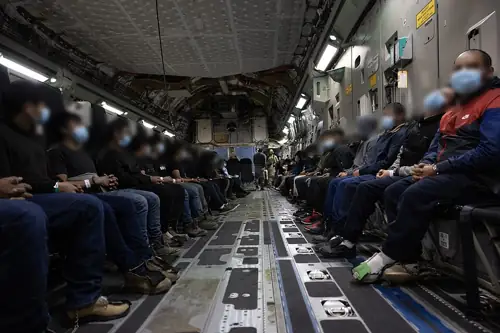
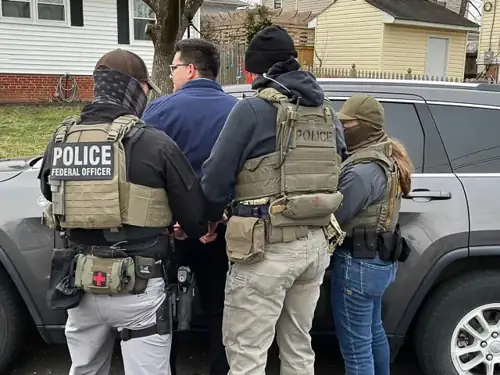
After his conviction, his legal status was revoked and a final removal order was issued. But here is where the case gets complicated: Laos refused to accept deportees, which meant Vang spent nearly two decades in a legal limbo, living in Minnesota while the government couldn't actually remove him. Federal authorities finally detained him in December 2025 during the Trump administration's sweeping immigration crackdown, and a federal judge ordered his release from ICE custody in February 2026.
The Pardon That Lit the Match
In June 2026, the Minnesota board of pardons granted Vang a pardon. According to the Minnesota Star Tribune, Vang expressed genuine remorse for his actions. More striking, his victim wrote a letter to the board. She said she had "made my peace" and that she forgave him. "He is not the same person now. I have seen how he has changed," the letter read.
That is the victim's right. It is a profoundly difficult and personal decision, and she made it. The pardon board, which included elected Democratic officials, accepted her account and granted the pardon. Whatever you think of the outcome, this was a functioning state legal process responding to the expressed wishes of the person most harmed by the original crime.
Rubio Steps In with a Video Statement and a Mission Accomplished Face
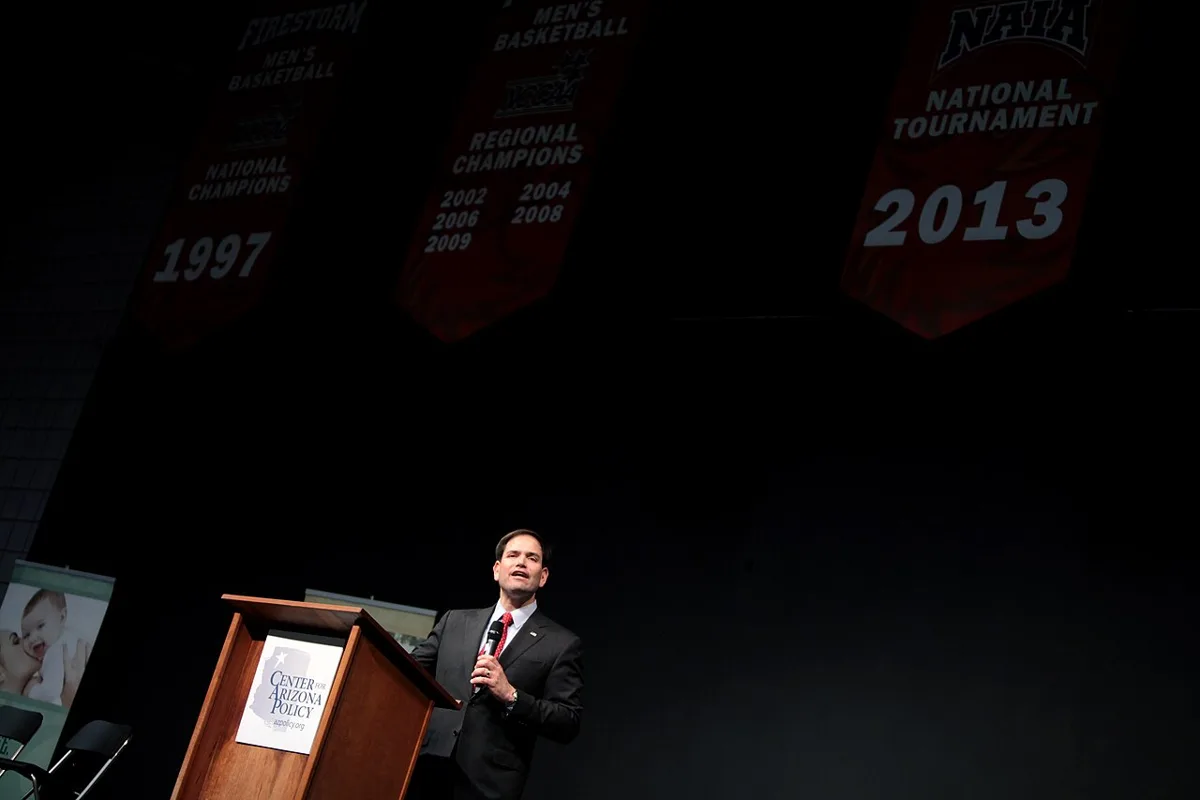
The Trump administration's response was to treat the pardon as a political gift and squeeze it for everything it was worth. Marco Rubio posted a video statement Friday announcing he had personally revoked Vang's legal status, triggering his deportation. "Because of our action, this foreign criminal will never pose a threat to any American ever again," Rubio said.
The Department of Homeland Security's deputy assistant secretary for media relations, Lauren Bis, called the pardon "disgusting." House Majority Whip Tom Emmer posted on X that he was "angry and disgusted at yet another action by our feckless governor that puts violent illegal aliens ahead of innocent Americans." Governor Tim Walz's office did not respond to a request for comment, according to the Guardian.
The Part Everyone Is Glossing Over
Here is the question nobody in the Republican response wanted to engage with: the victim in this case did not want this outcome. She wrote a letter. She said she forgave him. She said he had changed. The entire justification for Rubio's chest-thumping video is that the administration protected an American victim from a violent immigrant, and yet the actual American victim in this story appears to have reached a different conclusion than Tom Emmer did.
The administration's framing treats the victim as an abstraction, a rhetorical prop to justify a deportation that serves a political agenda regardless of what she actually said. That is not protecting victims. That is using them.
What This Is Actually About
The Trump administration has made no secret of its strategy: find cases involving Democratic-led states and immigrant defendants with criminal histories, amplify them nationally, and use them to paint Democratic governors as soft on crime and openly hostile to American safety. Tim Walz, who was Kamala Harris's running mate in 2024, is a particularly attractive target.
Vang's case is not unique in that sense. It fits a well-worn template. The administration identifies a state action it can frame as protection of a dangerous foreigner, federal officials issue loud public statements using terms like "disgusting" and "feckless," and the actual complexity of the case gets buried under the political noise. Rubio posting a video about this on a Friday is not law enforcement. It is content creation.
The Dingo Take
Let's hold two things at once, because this situation demands it. Tou Lue Vang committed a serious crime against a child. That is a fact, and it matters. The legal path that led to his eventual pardon was long and involved real people making difficult decisions, including the person he harmed, who chose forgiveness after more than twenty years. That is also a fact, and it matters.
What does not hold up is the idea that Marco Rubio revoking this man's status and shipping him to Laos is about protecting Americans. The American most directly affected by this case asked for something different. The administration's response to that inconvenient detail was to not mention it and post a victory video anyway. That tells you everything you need to know about who this was actually for.
Tom Emmer is angry and disgusted. Lauren Bis is disgusted. Marco Rubio is very concerned about American safety. None of them, as far as the reporting shows, spent a single public word on what the victim herself said she wanted. Turns out "protecting victims" has its limits, specifically when the victim's actual wishes complicate the press release.


Comments