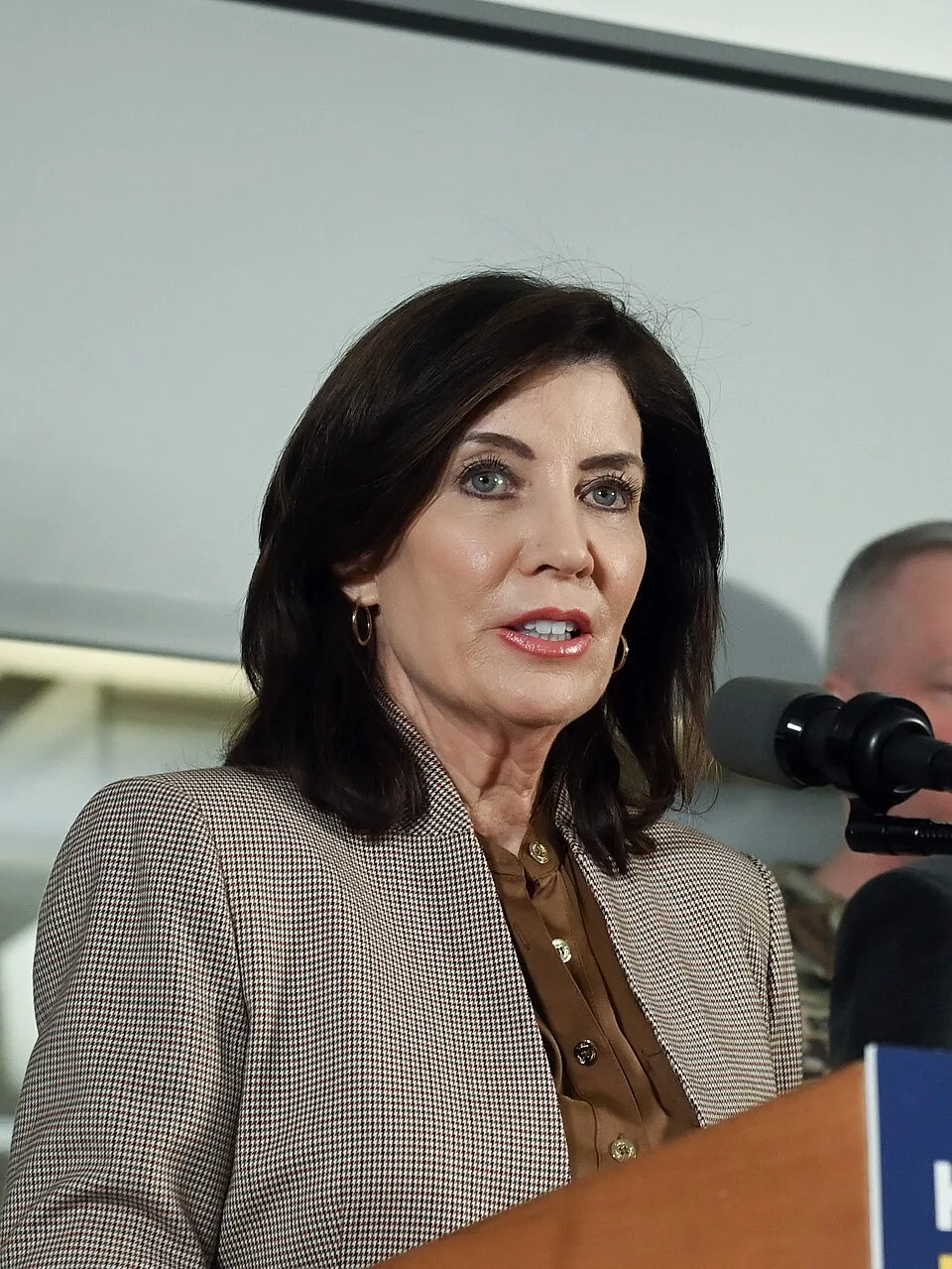
New York just became the first state in the country to tell the tech industry to sit down and wait. Governor Kathy Hochul signed an executive order Tuesday placing a one-year moratorium on new hyperscale data center construction, freezing the permitting process while the state figures out how to keep the lights on for actual human beings. The AI boom, it turns out, has a power bill, and somebody decided New Yorkers shouldn't be the ones who pay it.
What a Hyperscale Data Center Actually Is (And Why You Should Care)
Most people hear "data center" and picture a beige room full of blinking routers. Hyperscale facilities are something else entirely. According to CBS News, these are massive complexes housing thousands of servers that consume 50 or more megawatts of power just to keep running. For reference, 50 megawatts is enough electricity to power roughly 40,000 average American homes.
They also drink water like it's a competitive sport. Cooling all that computing hardware requires a continuous water supply, which means every new hyperscale facility that goes up is pulling from local water sources, straining infrastructure, and adding load to an already stressed electrical grid. When you put twenty of them in a state that's also trying to hit aggressive climate targets, you have a problem.
The governor's office says New York is seeing "unprecedented growth" in demand for these facilities, driven almost entirely by AI expansion and other high-intensity computing operations. Companies are racing to build the infrastructure behind large language models, cloud services, and data processing at a scale the grid simply wasn't designed to handle.
What the Order Actually Does
Hochul's executive order blocks state officials from approving environmental permits for any new hyperscale data centers for up to one year. No permits, no construction. The ban stays in place until the Department of Public Service finishes building a new regulatory framework with consistent standards for how these facilities operate. Once those standards are in place, the moratorium lifts.
Hochul framed it as basic governance. "As data center development threatens to hike up utility bills, deplete our natural resources, and create uncertainty for New Yorkers, it's my responsibility to take action and lead," she said, according to CBS News. That's about as direct as politicians get, which either means she genuinely means it or she's got a very good read on what her constituents are furious about. Possibly both.
The Department of Public Service gets the job of actually writing the rules. What those standards will look like in practice, how strict the energy and water requirements will be, and whether they'll have any real teeth against companies with virtually unlimited legal budgets remains to be seen. But the state has committed to completing the framework within the year.
The Larger Context: AI Is Eating the Grid
This didn't come out of nowhere. The AI industry's energy consumption has become one of the most uncomfortable conversations in tech, a subject the sector spent years hoping nobody would notice. Goldman Sachs estimated last year that AI data centers could increase U.S. power demand by up to 160% by 2030. The International Energy Agency has flagged data centers as one of the fastest-growing sources of electricity demand globally.
States that positioned themselves as tech-friendly hubs are now staring at the consequences. Utility rates are under pressure. Water tables are dropping. Local communities near proposed data center sites have started showing up to planning meetings very, very angry. New York is simply the first state to translate that anger into a legal pause button.
The tech industry, predictably, is not thrilled. Companies that have been quietly banking land and lining up permits in New York now have to wait. Given that the major players in AI infrastructure include some of the most valuable companies on earth, you can expect the lobbying pressure on Albany to be significant before this year is up.
Hochul's Bet
There's a political calculation here too, and it's worth understanding what Hochul is actually doing. She's a Democrat governing a blue state that is simultaneously trying to attract business investment and respond to progressive pressure on climate and utility costs. Picking a fight with hyperscale tech infrastructure is a way of threading that needle, at least for now.
"New York will lead the way in creating the strongest standards in the nation for data center development, ensuring that when companies succeed because of New York, New Yorkers succeed too," she said, per CBS News. That's the pitch: we're not anti-tech, we're pro-fairness. Come build here, but build responsibly and pay your share.
Whether that framing survives contact with twelve months of industry pressure, economic arguments about jobs and investment, and whatever the political winds look like heading into the next election cycle is a genuinely open question. Moratoriums have a way of getting quietly renegotiated when enough money shows up in the room.
The Dingo Take
Here's the thing about the AI gold rush: gold rushes are historically great for the people selling the shovels and catastrophic for everyone else standing nearby when the river dries up. The data center industry has been expanding across the United States at a pace that outran any serious regulatory thinking, because that's what industries do when nobody stops them. New York just stopped them. For a year. Maybe.
Kathy Hochul deserves credit for being the first governor in the country to actually use the word "moratorium" and mean it. That takes more political spine than most state executives have shown on this issue, and the fact that no other state has done this yet tells you everything about how much leverage the tech industry has in most state capitals. But a one-year pause to write some rules is the beginning of a fight, not the end of one. The companies that want to build these things have more lawyers than the Department of Public Service has employees.
Watch what the standards actually look like when they come out. Watch who gets to write them and who gets to comment on the drafts. Watch whether the final framework has real enforcement mechanisms or whether it's a permission slip dressed up as regulation. That's where this story actually lives. The moratorium is the headline. The fine print is the ballgame.


Comments