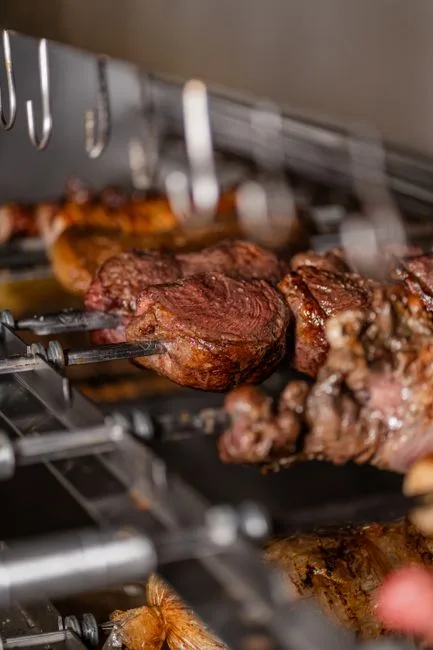
The United States is slapping 25% tariffs on Brazil starting July 22, citing unfair trade practices by the world's tenth-biggest economy. The list of exempted goods includes beef, coffee, oranges, and orange juice, which is to say, the things that actually come from Brazil. The administration wants you to know this is absolutely not political.
What's Actually Happening Here
According to CBS News, senior Trump administration officials confirmed Wednesday that the 25% tariffs, first proposed last month, will take effect July 22. The order targets Brazilian imports broadly but carves out exemptions for goods that either aren't produced in the U.S. or would disrupt supply chains. So coffee is out. Beef is out. Orange juice is out. Aerospace parts are out.
What's left? Unclear, but the administration insists the targeting is strategic. Officials told CBS News they are being careful to only place tariffs on goods that cannot be duplicated in the U.S. and that won't blow up the economy. That is a description of tariffs that are designed to look tough while actually doing very little. It's the trade policy equivalent of a strongly worded letter.
The tariffs are being imposed under Section 301 of the Trade Act of 1974. That matters because, as CBS News notes, the Supreme Court ruled in February that Trump overstepped his authority when he tried to use a different law, the International Emergency Economic Powers Act, to impose sweeping tariffs on trading partners. The administration had to find another legal hook. They found one.
The Grievances, Such As They Are
U.S. Trade Representative Jamieson Greer issued a statement Wednesday laying out the case against Brazil. The Office of the U.S. Trade Representative wrapped up a yearlong investigation and concluded Brazil was guilty of, among other things, lax anti-corruption enforcement, unfair tariffs of its own, and allowing Brazilian farmers to use illegally logged land to undercut American farmers.
Greer also took a shot at Brazil for "punishing U.S. technology companies for refusing to censor political speech," which is a reference to Brazil's legal actions against Elon Musk's X platform. Make of that what you will.
Here is the part that CBS News buries but deserves to be up front: the U.S. has run a goods trade surplus with Brazil for years. Meaning we sell more to them than they sell to us. The entire premise of tariffs as retaliation against a country bleeding American jobs gets a little wobbly when the trade relationship already favors the United States.
The Part Where Politics Definitely Isn't Involved
When the tariffs were first proposed in early June, Brazilian President Luiz Inácio Lula da Silva did not exactly take it on the chin. CBS News reports he reacted with indignation and pointed a finger directly at Sen. Flávio Bolsonaro, the son of former President Jair Bolsonaro and a political rival of Lula in Brazil's upcoming October elections. The younger Bolsonaro had just wrapped up a visit to Washington.
Senior Trump administration officials were quick to tell CBS News Wednesday that politics played absolutely zero role in this decision. None. Don't even ask. They cited longstanding trade grievances the U.S. has raised publicly for years. They did acknowledge that constructive meetings with Brazil's government only started in the last six weeks, and that not enough progress had been made. Six weeks out of a yearlong investigation. Very normal timeline.
For context: Trump previously imposed a 50% tariff on Brazil under the IAEA specifically to protest Brazil's prosecution of Jair Bolsonaro for attempting to overturn his 2022 election loss. That tariff was later struck down by the Supreme Court. Then in November 2025, the administration lifted a separate 40% tariff on Brazilian beef, coffee, and other goods, citing progress in trade negotiations. Now we're back to 25%. The relationship has the emotional stability of a group chat that keeps getting renamed.
What the Timeline Actually Looks Like
Let's run the tape. Trump imposes a punishing 50% tariff on Brazil to defend his ally Jair Bolsonaro. The Supreme Court says that was illegal. The administration separately lifts a 40% tariff in November 2025 after claiming progress with Lula. Lula visits the White House in May and things appear to improve. Then the administration proposes new 25% tariffs in June. They take effect July 22, just as Brazil heads toward October elections where Bolsonaro's son is running.
CBS News reports that administration officials spent a year investigating Brazilian trade practices before arriving at these tariffs. That is true. It is also true that Section 301 investigations give the executive branch enormous discretion over timing and targeting. The administration chose to pull the trigger now, exempted the most economically significant Brazilian exports, and is loudly insisting the calendar is a coincidence.
Maybe it is. But the pattern of tariff-on, tariff-off, tariff-on-again with Brazil tracks almost perfectly with the state of Trump's relationship with the Bolsonaro family at any given moment. That's not a conspiracy theory. That's just reading the dates.
The Dingo Take
The Trump administration has now used tariffs as a diplomatic cudgel, a loyalty test, a Supreme Court casualty, a goodwill gesture, and now apparently an election interference tool, all with the same country, inside of two years. Brazil is not some adversarial power. It is the tenth-biggest economy in the world and a country with which the United States runs a trade surplus. The policy rationale for these tariffs is tissue-thin, and the exemptions for beef, coffee, and orange juice gut the economic impact before the ink is dry.
What this actually is, stripped of the trade-speak, is a 25% tariff designed to look punishing enough to satisfy the MAGA base, targeted narrowly enough not to raise American grocery bills, and timed precisely to land four months before a Brazilian election where the Bolsonaro family needs all the help it can get. Jamieson Greer's statement about anti-corruption enforcement is rich given the administration's feelings about anti-corruption enforcement at home.
The Supreme Court already told this White House once that it cannot weaponize tariff law to settle personal political scores. The administration went and found a different law to do the same thing. That's not trade policy. That's just shopping for a loophole.



Comments