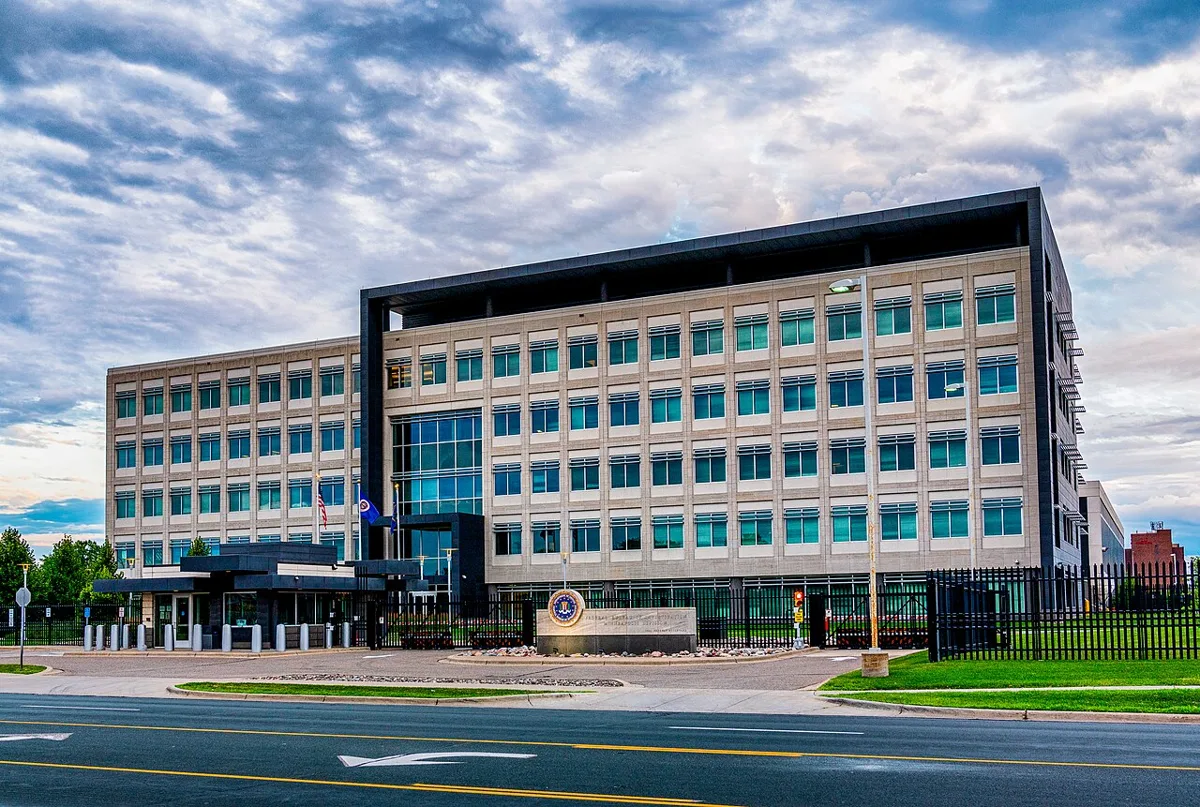
The FBI raided a grassroots voter registration group in Cleveland on Thursday, seizing computers and phones and fanning out to the homes of affiliated members across the state. This happened five months before the midterm elections. Sit with that for a second.
What Actually Happened in Cleveland
FBI agents descended on the Cleveland office of the Ohio Organizing Collaborative, a group whose main job is helping working-class and Black Ohioans register to vote. According to Prentiss Haney, a board member of the group, agents took computers and phones. They also showed up at the private homes of people connected to the organization and conducted interviews.
The Guardian reports that the agents appeared to be investigating fraud allegations related to the 2024 election, though Haney said the specifics of what investigators were actually looking for remained unclear. The FBI's Cleveland office did not respond to a request for comment. Radio silence from the people who just raided a democracy organization. Completely normal.
Ohio Organizing Collaborative is not some shadowy operation. It is a grassroots group that does voter registration work. That is the whole thing. That is what got raided.
The Context the FBI Would Prefer You Ignore
This did not happen in a vacuum. About a month ago, a senior official in acting attorney general Todd Blanche's office sent instructions to prosecutors telling them to make voter fraud cases a priority, according to the New York Times. Reuters reported in April that federal investigators had already been collecting voter records across at least six Ohio counties.
Last fall, Ohio's Republican secretary of state Frank LaRose referred more than 1,000 non-citizens who appeared to have registered in the state to the Justice Department. Whether any of those referrals connect to Thursday's raid is not yet known. But the pattern is pretty hard to miss: the DOJ gets told to prioritize voter fraud, investigators start hoovering up voter records, and then FBI agents show up at a voter registration group's office with the midterms approaching.
Trump won Ohio comfortably in 2024. Bernie Moreno flipped Sherrod Brown's Senate seat. The partisan balance of Ohio's House delegation did not change. So this investigation, whatever it actually is, is targeting a state the Republicans already won clean.
What Elected Officials Are Saying Out Loud
The condemnation came fast. Representative Shontel Brown, whose district covers Cleveland, called it "an unprecedented attack on democracy" and said the raids must stop immediately. She was direct about what she thinks is actually going on: "This appears to be part of a systematic effort by Trump and Kash Patel's FBI to attack our elections and perpetuate more myths of voter fraud -- all to undermine and challenge any election result that Trump does not agree with."
Sherrod Brown, who lost his Senate seat in 2024 and is running again this year, called the reports "deeply disturbing." Cleveland Mayor Justin Bibb asked the FBI to disclose the legal basis for the raid. "If there is a legitimate basis for these actions, it should be disclosed," Bibb said in a statement. "If not, the public has every right to question whether civic participation is being unfairly targeted." That is a Democratic mayor being almost careful about it, and it still reads like an alarm bell.
Michael Waldman, president of the Brennan Center for Justice, was less restrained. He called it "an outrageous fishing expedition" designed to intimidate people doing democracy work, and said it fits a pattern of federal inquiries targeting voting infrastructure in the run-up to the midterms.
Trump's Voter Fraud Obsession Has Not Gotten Less Unhinged
Here is the backdrop against which all of this is happening. Trump has continued pushing the claim that voter fraud is rampant and widespread. He has recently focused on California, complaining about the state's practice of counting ballots that arrive after election day -- a legal process that exists because the state has millions of voters and runs massive elections. The Guardian notes he has offered no evidence of fraud. He never does.
What has escalated is the concern among election watchers that Trump is setting the stage to contest midterm results he does not like. You raid voter registration groups before the election. You prime the DOJ to treat voter fraud as a priority. You keep making fraud claims without evidence. Then, if Republicans underperform in November, you have already built the narrative infrastructure for challenging the outcome.
This is not a conspiracy theory. This is the playbook, and the FBI just ran one of its plays in Cleveland on a Thursday afternoon.
The Dingo Take
Let's be honest about what this looks like, because the people involved are clearly hoping you will not be. The Justice Department tells prosecutors to prioritize voter fraud. Federal agents collect voter rolls in six Ohio counties. Then FBI agents raid a grassroots voting rights organization and show up at the homes of its members, all within five months of a midterm election in which Republicans are genuinely worried about their margins. If a Democratic administration did this to a conservative get-out-the-vote group, Fox News would be broadcasting from a bunker.
The specific fraud claims here trace back largely to LaRose's referral of over a thousand apparent non-citizen registrations. That is a real referral and it deserves real investigation. But a referral about potentially improper registrations does not self-evidently lead to raiding the office of a voter registration nonprofit and interviewing its members at their homes. That is a significant escalation, and nobody from the FBI or the DOJ has offered a public explanation for why it was warranted.
Trump has never accepted an election result he lost and has spent years building the legal, rhetorical, and now apparently operational infrastructure to reject ones he loses in the future. The raid on Ohio Organizing Collaborative is a data point in that project. It is also a message to every other voting rights group in the country: we know where your office is. Whether or not any charges ever come from this, that message was delivered on Thursday. That was probably the point.


Comments