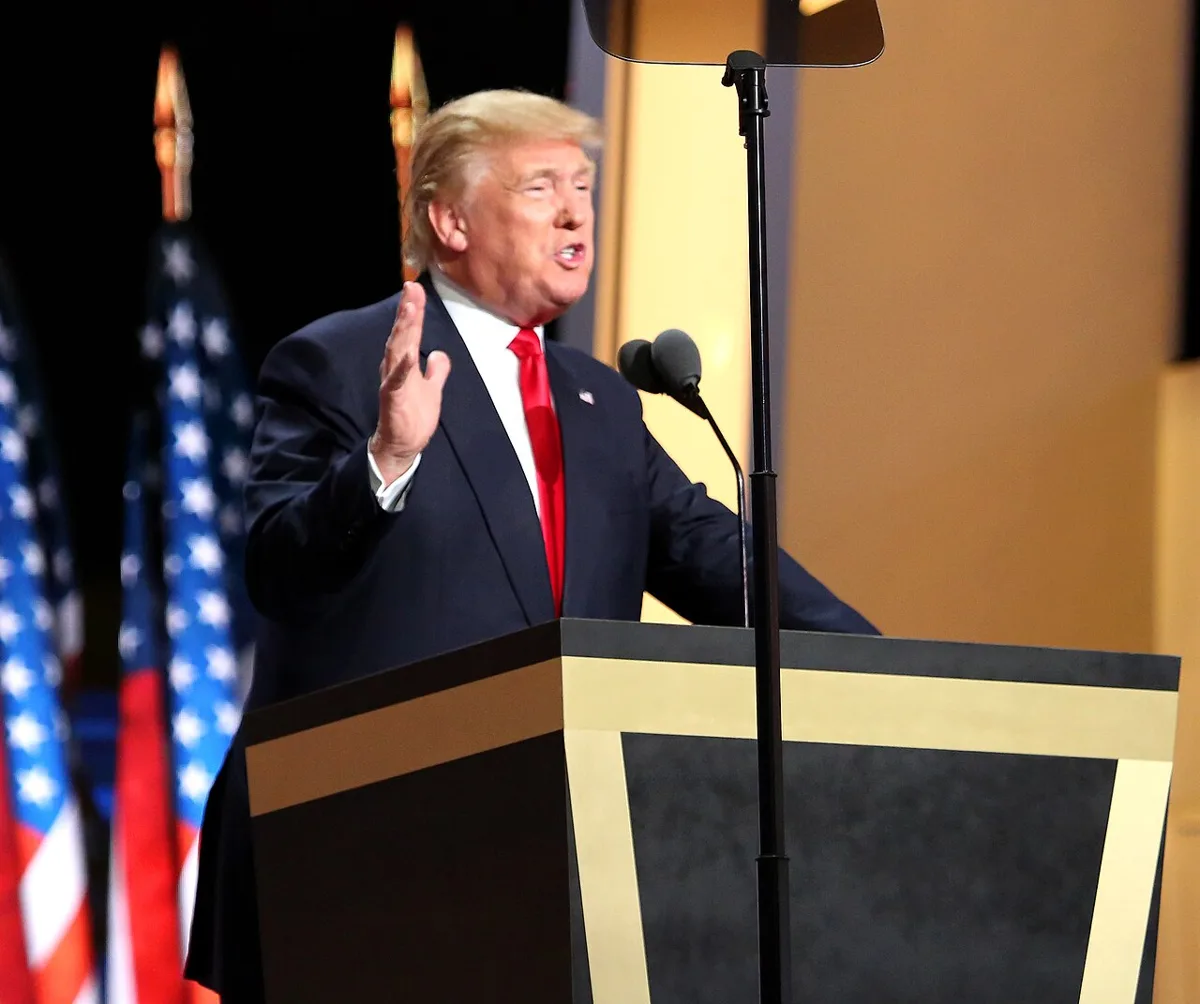
The Trump administration spent over a year quietly stripping plaques, signs, and exhibits about slavery, Indigenous history, and climate change from America's national parks. A federal judge just told them to put it all back. They have 21 days.
What Got Removed and Why
In March 2025, Donald Trump signed an executive order called "restoring truth and sanity to American history," which directed the Interior Department to scour monuments, memorials, and statues for anything that had been altered after January 2020 to represent what the White House called a "false construction of American history." January 2020 being, of course, conveniently right before the 2020 racial justice protests that prompted widespread public reckonings about Confederate monuments and America's history of slavery.
The administration didn't stop there. It also moved to purge what it described as "corrosive" content and "ideological indoctrination" from exhibitions at the country's historical and cultural institutions. That framing is doing a lot of heavy lifting when the thing being "corrected" is a photograph of a formerly enslaved man's scarred back at a Georgia monument. That image, known as The Scourged Back, is one of the most historically significant photographs in American history. It was flagged for potential removal.
According to a February lawsuit filed by conservation groups against the administration, the executive order resulted in the actual deinstallation of signage and educational material at park sites covering slavery, civil rights, Indigenous history, and climate change. This wasn't theoretical. Stuff got taken down.
The Judge's Verdict, in Plain English
Massachusetts district judge Angel Kelley sided with the plaintiffs and did not mince words. "Under the guise of promoting American dignity, this administration seeks to share a limited history by ordering the removal of all signs, displays, and interpretive exhibits at national parks that do not align with its preferred narrative, thereby telling half-truths," she wrote in her decision.
Half-truths. A sitting federal judge called the executive branch of the United States government a half-truth machine regarding its own history. That is not a mild rebuke. Kelley also found that the administration's actions "set a dangerous precedent of censorship and sanitization." The ruling orders the Trump administration to reinstate any history or science materials removed under the directive.
The plaintiffs include the National Parks Conservation Association, the Association of National Park Rangers, and the American Association for State and Local History. These are not radical left organizations. These are the people whose entire professional lives are dedicated to preserving and explaining American history accurately. The administration managed to get sued by park rangers.
What the Parks Are Actually For
Alan Spears, senior director for cultural resources at the NPCA, said in a statement after the ruling that "Americans count on national parks to help us understand our full, rich history. Stories of triumph and tragedy alike deserve to be told out loud at parks." That's a polite way of saying: you don't get to use public land and public institutions to run a selective national memory operation.
Emily Thompson, executive director of the Coalition to Protect America's National Parks and a fellow plaintiff, put it more directly. National parks "exist to preserve and interpret the full American story, not just the parts that make some politicians comfortable," she said in a statement after the ruling. Which is, again, a very tactful way of pointing out that the administration's vision of American history requires a lot of things to have never happened.
The White House did not respond to a request for comment. Presumably they were busy determining which parts of the Revolutionary War are ideologically permissible.
The Clock Is Running
The administration now has 21 days to comply with Judge Kelley's order. The question is whether they will, or whether this becomes another item on the long list of court orders the administration has treated as optional. The Trump White House has shown a consistent willingness to drag its feet on judicial rulings it dislikes, a posture that has generated an extraordinary volume of contempt proceedings across multiple federal courts.
There's also the broader question of what happens to the materials that were already removed. Were they stored somewhere, or is this going to turn into a logistical argument about how impossible restoration is? History suggests the administration will find a way to make compliance as complicated and incomplete as legally survivable.
The Dingo Take
Let's be clear about what this executive order actually was. The Trump administration looked at national parks, those publicly funded institutions that exist specifically to help Americans understand the country they live in, and decided they contained too much accurate information about slavery, Indigenous peoples, and environmental science. So they took the signs down. They flagged a photograph of a man's scarred back from enslavement for potential removal. And they called it "restoring truth and sanity."
The ideological inversion required to describe the removal of historical facts as truth restoration is genuinely breathtaking. This isn't about interpretation or framing. A plaque explaining what happened at a site is not propaganda. A photograph is not propaganda. The thing that's supposed to be propaganda is the story you tell when you take the photograph away and pretend the event didn't happen. That's the playbook. A federal judge saw it clearly and said so.
Twenty-one days. We'll see. Courts keep winning these fights on paper, and the administration keeps finding creative ways to lose slowly. But for now, a judge has ruled that the American public is entitled to the actual history of the country they share. Which, in 2026, is apparently a controversial legal position that required a lawsuit to establish. Buckle up.




Comments