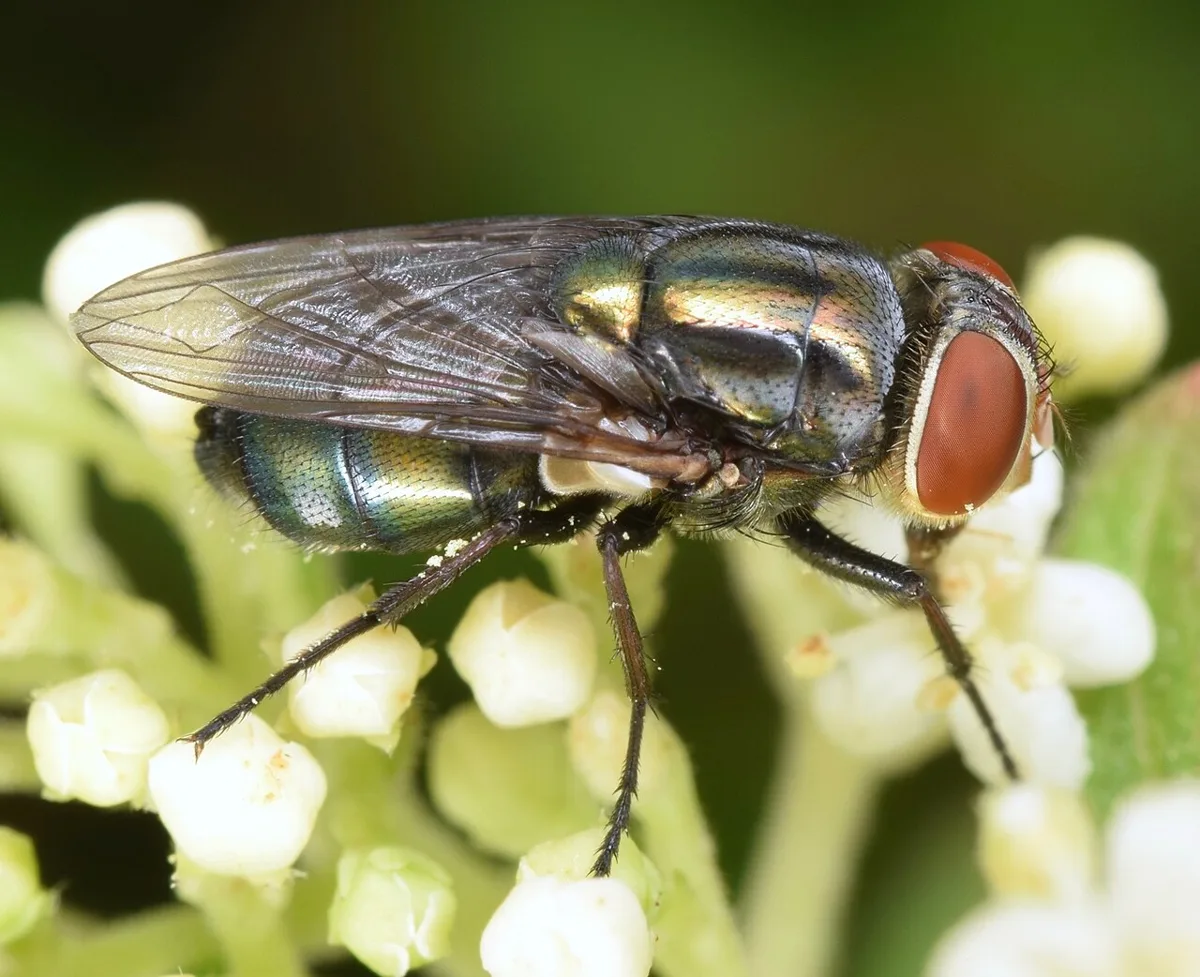
A flesh-eating parasite that burrows into living animals and eats them from the inside has officially arrived in the United States. The timing, for a Republican Party already getting destroyed over soaring beef prices, is almost cosmically bad. Welcome to the 2026 midterm season.
What Screwworm Actually Does (It's as Bad as It Sounds)
The New World screwworm, Cochliomyia hominivorax, is not a fun creature. The larvae hatch inside open wounds on living animals and eat the surrounding flesh, spreading outward. If left untreated, they kill. The name is not an exaggeration.
This parasite was eradicated from the United States back in the 1960s through a decades-long sterile insect program. The fact that it's back is not just a farming problem. It is a livestock industry emergency, a supply chain threat, and depending on how badly this gets handled, a genuine political catastrophe for the people currently running the country.
A Billion-Dollar Bug Fight the Government Is Scrambling to Start
According to Axios, the Department of Agriculture is gearing up for a billion-dollar-plus response. The AP reports the price tag to set up a facility capable of producing and releasing 300 million sterile male screwworms every week sits at roughly $750 million. That's just the plant. The full operation pushes the total well past the billion-dollar mark.
The sterile insect technique works like this: you flood the affected area with sterile males, they mate with wild females, the females produce no viable offspring, and over time the population collapses. It's the same approach that worked in the sixties. It is slow, expensive, and requires an enormous amount of coordination to pull off correctly.
The USDA under Secretary Brooke Rollins is now tasked with executing this. This is the same administration that has spent the last year slashing federal agency budgets, cutting staff, and treating government expertise like an HR problem to be solved. The USDA getting handed a nine-figure emergency response operation in this environment is a genuinely interesting test case.
The Worst Possible Time for the Worst Possible Pest
Here is the political situation the screwworm is landing in. Beef prices have been hammering American consumers for months. Inflation is still running hot enough that Republicans are watching their economic approval numbers bleed out ahead of the midterms. The GOP spent years telling voters they were the party of cheap steaks and common sense. That pitch is currently face-down in a ditch.
Axios reports that Trump and the Republican Party are already reeling from soaring beef prices and accelerating inflation, and a screwworm outbreak could exacerbate their biggest vulnerability at exactly the wrong moment. An outbreak that spreads through cattle-producing states, drives up processing costs, and squeezes an already stressed beef supply is not an abstract threat. It is a direct line from a parasite to a price tag to a voting booth.
The political irony is almost too thick to cut through. The administration spent considerable energy undermining the federal infrastructure that would normally be positioned to respond to exactly this kind of agricultural emergency. Now that infrastructure has to perform.
Who Gets Hurt First
Livestock producers in affected states are the most immediate victims. The screwworm doesn't discriminate between cattle operations and it doesn't wait for the federal government to get its procurement process sorted out. Animals in the path of an outbreak need treatment now, and ranchers who are already operating on thin margins after years of drought, feed cost spikes, and market volatility do not have a lot of cushion left.
Beyond the direct agricultural damage, the downstream effects on beef supply are the part that makes this a national economic story. Any meaningful disruption to cattle production in core beef states tightens supply further, drives prices higher, and gives every grocery shopper in America another reason to be furious at the people in charge. The screwworm does not care about midterm strategy. The midterm voters, however, absolutely will.
The Dingo Take
Let's be honest about what this story really is. It's a stress test. For years, the argument from the slash-the-bureaucracy crowd has been that the federal government is bloated, inefficient, and doesn't need all those agencies and all those experts and all that capacity sitting around. Fine. Make that argument. But now the bill is coming due, and the USDA has to stand up a billion-dollar sterile insect operation, in the field, fast, while simultaneously being an agency that has had its workforce and institutional knowledge actively hollowed out. That's not a recipe for a clean response.
The screwworm itself isn't the story. Agricultural crises happen. Pests breach borders. Outbreaks occur. What separates a contained emergency from a cascading disaster is the quality of the government response, and right now we have an administration that treated federal competence like a punchline. The joke has teeth now. Literally.
If beef prices climb another ten percent because the response is slow or underfunded or poorly coordinated, no amount of social media posting is going to spin that away. Voters buying ground beef at six dollars a pound don't care about whoever the administration wants to blame this week. They care that it costs six dollars a pound. A flesh-eating parasite eating into the Republican midterm strategy is dark comedy at its most perfect, and none of it had to happen this way.




Comments