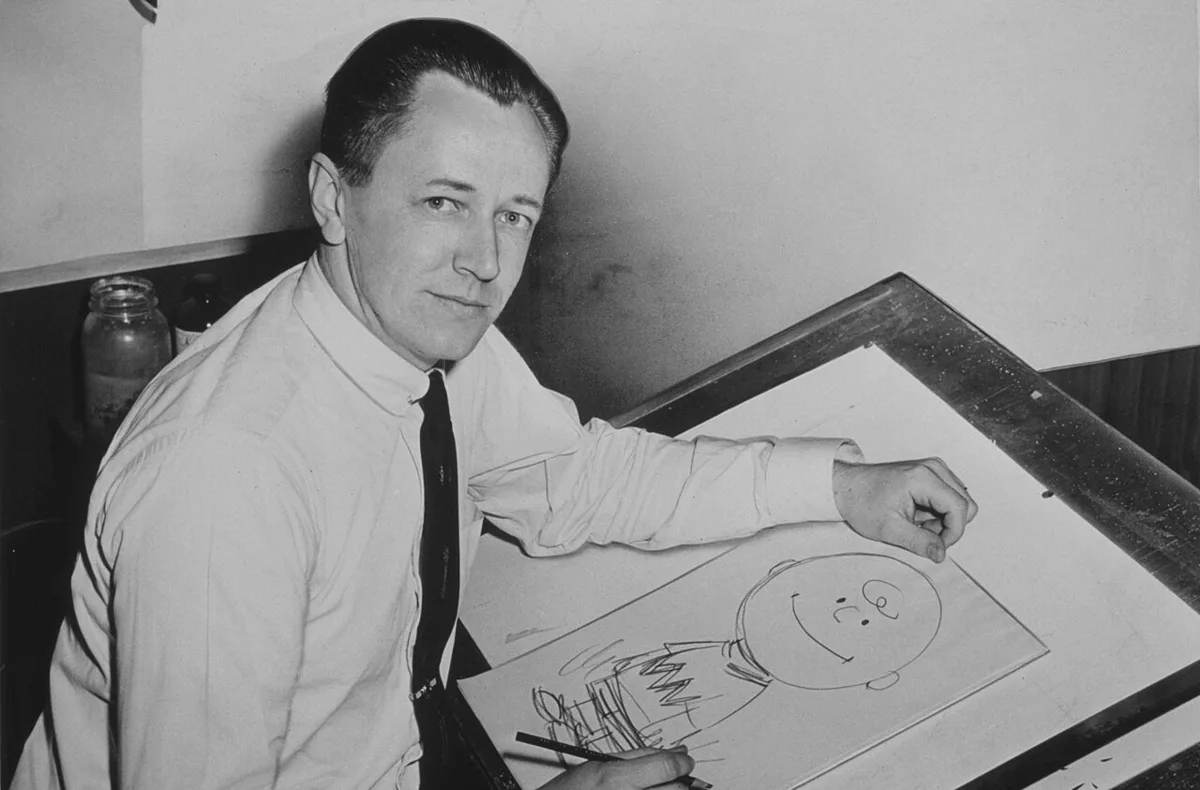
Stephen Colbert spent his last night at The Late Show doing what he does best: making a point and making CBS pay for it. Literally. On his final episode, he had his band play 'Linus and Lucy' on air, looked into the camera, and said 'Oh no! I hope this doesn't cost CBS any money!' It did.
The Last Laugh Had a Price Tag
Here's the thing about a well-executed exit: the best ones keep costing the people you're leaving long after you've walked out the door. Colbert's farewell jab was a masterclass in that tradition. He knew exactly what he was doing when Louis Cato and the Great Big Joy Machine kicked into that unmistakable Vince Guaraldi riff.
Lee Mendelson Film Productions, the California company that controls the Guaraldi Peanuts catalog, has been on a legal rampage against unauthorized uses of the music. According to The Guardian, they've gone after an apparel accessories manufacturer, a video game producer, a collectibles auction house, and the US Department of the Interior. CBS, it turns out, was not going to be the exception.
The company announced it had reached a licensing agreement with CBS for an undisclosed amount. Which means the network that fired Colbert had to write a check because of something Colbert did on his way out. That's not a consolation prize. That's a trophy.
The Money Goes Somewhere Good
In a twist that makes this story considerably less depressing than the rest of the news cycle, LMFP said it would donate every cent of the CBS settlement to World Central Kitchen, the disaster-relief food nonprofit run by chef José Andrés. The Guardian reports that Colbert himself had already donated $2.5 million to the same organization during his penultimate episode.
So Colbert donated $2.5 million, then engineered a situation where CBS was legally obligated to donate an additional undisclosed sum to the same charity. As final acts go, that one's going to be hard to top.
Jason Mendelson, chairman of LMFP, said the company found the use of the music 'funny and entertaining' and was 'proud to support World Central Kitchen's mission.' He also used the moment to deliver what might be the most politely worded corporate lecture of 2026, noting that the goal of their enforcement actions is to 'educate individuals, businesses, and government entities about the need to obtain written license agreements to use music in a commercial setting.' Government entities. As in, they're also coming for the Department of the Interior. Charlie Brown's theme song is out here doing more legal heavy lifting than the DOJ.
Why Any of This Happened
The Late Show's cancellation hit like a gut punch to a specific kind of person: the kind who stayed up to watch it specifically because Colbert refused to pull punches about the Trump administration. CBS never officially confirmed that was the reason. They didn't have to. The timing and context made the argument for itself, and the fans made sure everyone heard it.
Colbert, for his part, played the exit with the precision of someone who had thought carefully about how to spend his last hours with a microphone and a live band. The Peanuts song wasn't random. Linus and Lucy is the sound of something cheerful and American and slightly melancholic all at once. It's the music of childhood Saturday mornings, of simpler things. Playing it on the way out the door at a network that, as many believe, caved to political pressure feels very much like the point.
The Guardian's reporting on the licensing agreement confirms what the moment telegraphed: this was deliberate, and Colbert knew exactly what it would cost. He just wasn't the one paying.
A Rights Holder With Teeth
It's worth understanding that LMFP isn't some passive estate collecting royalty checks. The company, founded by producer Lee Mendelson who worked directly with Peanuts creator Charles Schulz, animator Bill Melendez, and Guaraldi on the original animated specials, has turned enforcement into an active strategy. Their target list reads like a random selection from 'entities that assumed no one was watching.'
The US Department of the Interior used Guaraldi's music without a license. A collectibles auction house. A video game producer. An apparel manufacturer. These are not small oversights by tiny operations, they are the casual assumption that beloved, iconic, omnipresent music is somehow just out there in the commons for the taking. LMFP has been correcting that assumption with some enthusiasm.
CBS joining that list because of a late-night host's deliberate farewell prank is a sentence that would have seemed like satire six months ago. Here we are.
The Dingo Take
Let's be clear about what happened here. A television network, under circumstances that smell overwhelmingly like political capitulation, cancelled one of the longest-running and most culturally significant late-night shows in American television history. The host spent his final broadcast making jokes, saying goodbye, donating millions to charity, and playing a song he knew would cost the network money. And then it cost the network money. That is not a small thing.
The CBS cancellation of The Late Show is one of those moments that chips away at whatever reassuring story you're trying to tell yourself about institutional resistance to authoritarian pressure. Major media companies are in the business of calculating costs and benefits, and somewhere in that calculation, keeping a sharp-tongued critic of the sitting president on the air started looking like a liability. Colbert's exit tour was his answer to that calculation, delivered with better timing than anything on CBS's current lineup.
The fact that World Central Kitchen ends up with a pile of money as the direct result of all this is genuinely good, and we're not going to be glib about that. José Andrés feeds people in disaster zones. The money will do real work. But don't let the heartwarming charity angle sand down the edges of the story: a network blinked, a host walked, and the most damning final image is a cartoon kid's piano song playing over the credits of American late-night television while someone upstairs writes a check they didn't budget for. Good grief, indeed.




Comments