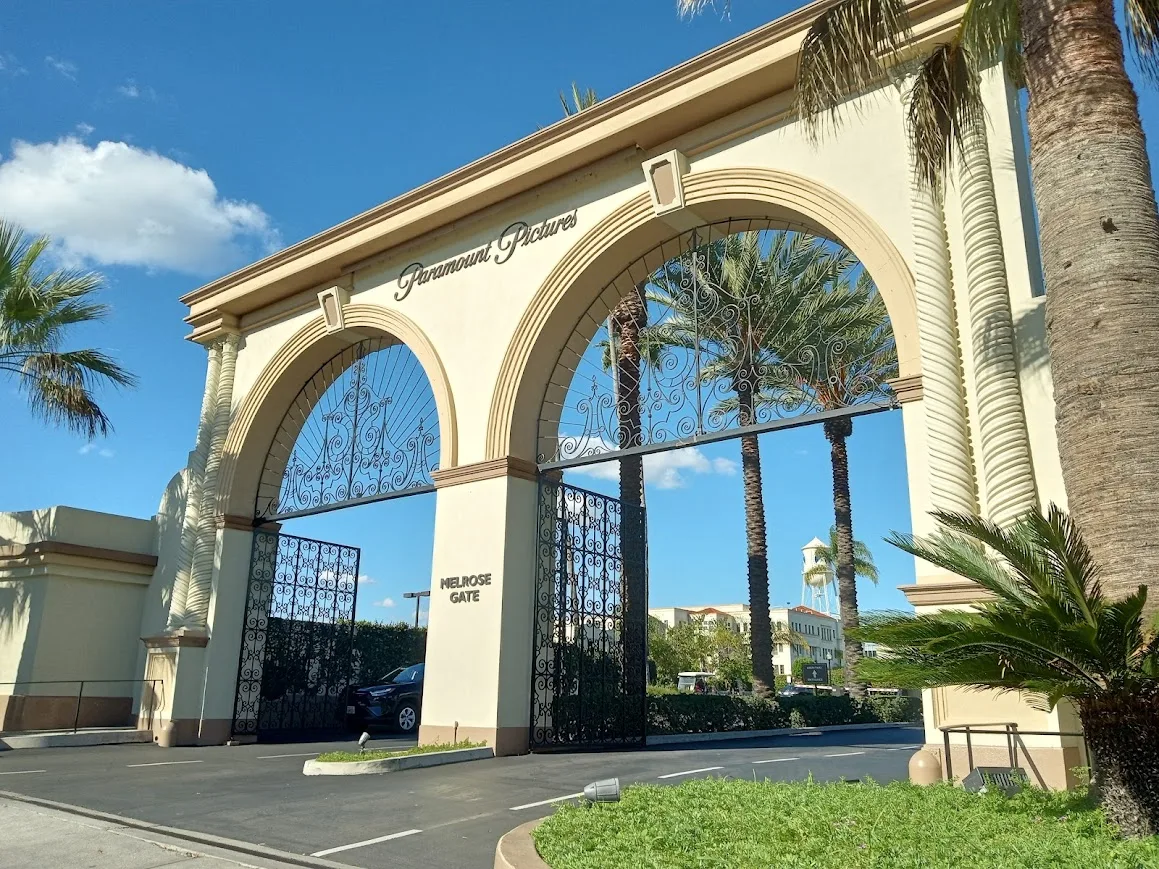
A press freedom organization tried to pay Paramount roughly $300,000 to air a 30-second ad criticizing Paramount's billionaire owners. Paramount said no, citing a 'conflict of interest.' The ad was about censorship. You genuinely cannot make this up.
What the Ad Actually Said
The Freedom of the Press Foundation wanted to run the spot during Sunday's UFC broadcast at the White House, which aired on Paramount+. The ad was blunt and short. "Instead of defending press freedom, CBS' billionaire owners cut deals and caved to Trump," it said, before referencing the 60 Minutes meltdown and a fired reporter's claim that CBS demanded "falsehoods and bias to appease Trump."
The ad also went after Trump's reported interest in having the Ellisons absorb CNN through the pending Warner Bros Discovery merger. "Now Trump wants the Ellisons to buy CNN, too," it continued. "Let's stop Trump's censorship and block this merger." Thirty seconds. Three hundred thousand dollars on the table. Rejected.
The Paper Trail Is Damning
According to the Guardian, which viewed an email exchange between Paramount's ad salesperson and the Foundation's ad buyer, the whole process was going fine right up until the actual ad got submitted. The salesperson had been friendly, helpful, ready to take the money. Then, two days before the fight, the message came back: "Unfortunately, the creative you submitted was a conflict of interest so it was not approved."
A conflict of interest. That's the phrase a Paramount sales rep used to describe an ad criticizing Paramount's ownership. Not "we don't run political advocacy." Not "our legal team has concerns." A conflict of interest. As if the network accidentally stumbled into a situation where its owners might not enjoy watching themselves get criticized on their own platform. What an extraordinary coincidence.
The Ellison Factor
David Ellison, son of Oracle billionaire Larry Ellison, took control of Paramount through the Skydance merger and has since presided over one of the more chaotic periods in CBS's recent history. The 60 Minutes controversy has been the most visible wreckage: the show's longtime executive producer left, correspondent Scott Pelley went on air to say the broadcast's independence had been compromised, and a fired reporter said the network demanded bias to placate Trump, as the Guardian has previously reported.
Now Trump's DOJ has approved the Warner Bros Discovery merger, which would put CNN, HBO, and a pile of other major media properties under the same roof as Paramount and the Ellisons. The Freedom of the Press Foundation thinks that's a disaster for independent journalism. Paramount, apparently, agrees that this is not a topic fit for public discussion on Paramount.
Seth Stern Did Not Mince Words
Seth Stern, chief of advocacy for the Freedom of the Press Foundation, issued a statement that managed to be both measured and absolutely scalding. "Ellison has already shown his cards on editorial independence, but, in case there was any doubt, his company has now declined to air a straightforward message about what his proposed takeover of CNN, HBO, and other outlets would mean for press freedom. Instead, it censored it," Stern said.
He kept going. "Ellison won't air criticism of himself, his company, or his buddy Trump. These antics are bad for press freedom, bad for the public, and bad for Paramount, just look at CBS' recent struggles under Ellison's watch." The Foundation says it will now run the ad on its own website, which is dedicated to opposing the merger. The merger, for what it's worth, still faces regulatory review outside the United States despite clearing Trump's DOJ on Friday.
The Guardian notes that television networks do regularly reject advocacy ads for all kinds of reasons. That's true. Networks pull ads for content concerns, legal exposure, and advertiser conflicts all the time. But the specific framing Paramount chose here, "conflict of interest," is doing a lot of work. It admits, essentially, that the ad's subject matter hits too close to home to allow.
The Merger Is Still Moving
Trump's Department of Justice signed off on the Paramount-Warner Bros Discovery deal on Friday, the same day the ad rejection came through. That's a fun little detail. The government that the ad says Paramount is caving to just cleared the path for the deal the ad was trying to block, on the same afternoon that Paramount killed the ad.
The merger still needs approval from regulators in other countries before it closes. Which means there is still time for someone, somewhere, to ask whether it's a good idea to let the same billionaires who just censored an ad about media consolidation own even more of the American media landscape.
The Dingo Take
Here is the most clarifying thing about this story: Paramount didn't need to explain itself. Networks reject ads all the time without elaboration. They could have said nothing, or said "we don't accept this category of content," or had their lawyer send a two-line response. Instead, a sales rep used the phrase "conflict of interest," which is an admission dressed up as a policy. It means: this ad is bad for us specifically, not for some abstract principle of broadcast standards.
That's what censorship looks like when it's done politely. No government order. No dramatic confrontation. Just a sales rep sending an apologetic email and offering to help find "other creatives" that won't embarrass the bosses. A press freedom organization got a masterclass in the exact problem it was trying to warn people about, delivered by the subject of the warning.
The merger now has DOJ approval and is grinding toward completion. David Ellison is on track to control CBS, CNN, HBO, and whatever else lands in the pile. And we now have a concrete, documented, timestamped example of how that future looks in practice. A check for $300,000 was on the table. The only thing Paramount wouldn't sell was a platform for criticism of Paramount. File that one away.

Comments