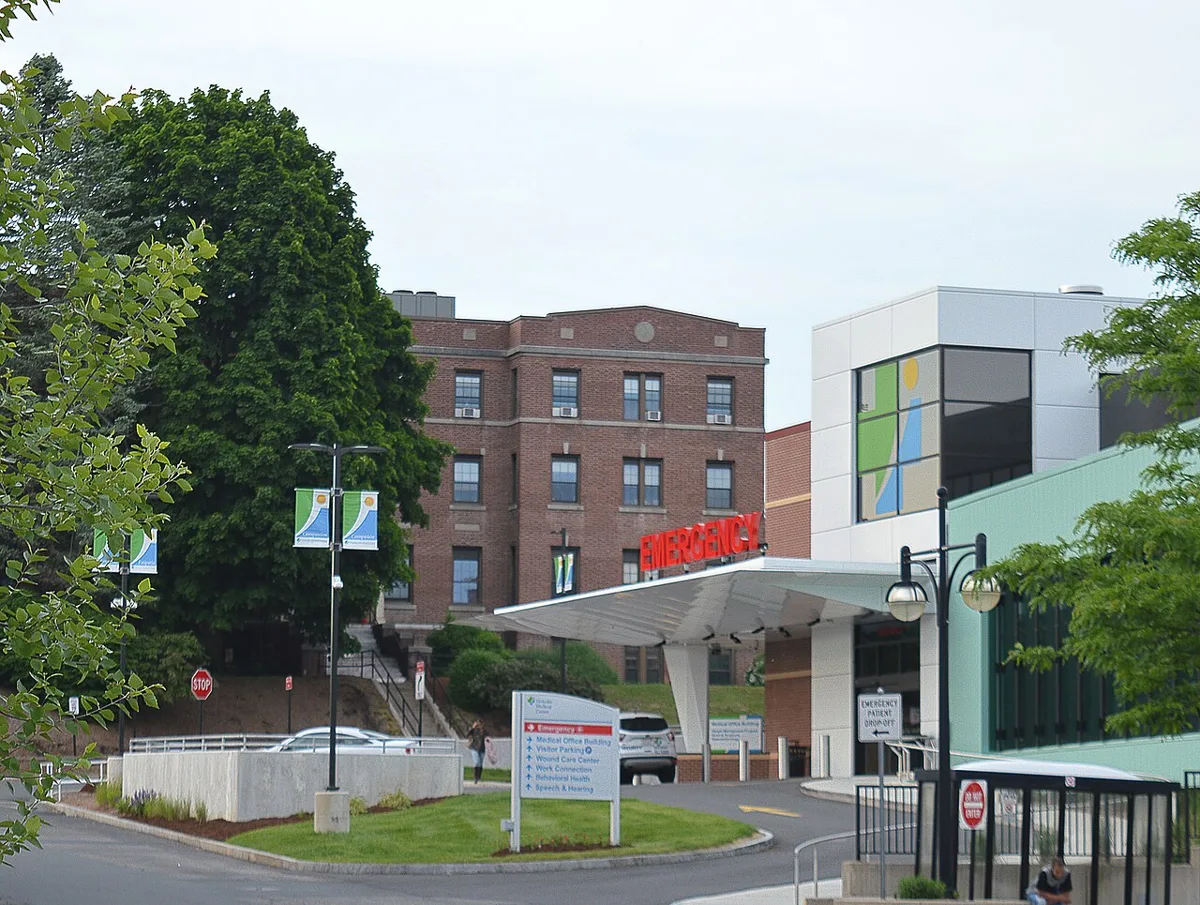
Two women were carried out of a black Prius and dropped at separate Los Angeles emergency rooms in the early hours of November 2021. The men who left them wore masks, removed the license plates, gave no names, and walked away. One of those women was already dead. The other was clinging to life. And somewhere in Los Angeles, the men who did this went home.
The Night That Ended in Two ERs
Christy Giles was 24 years old, a high-fashion model turned interior design student who had spent her last free evening doing what she loved: going out dancing with her friend Hilda Marcela Cabrales. According to CBS News, the two women had started the night at Soho House before heading to a warehouse party after midnight to catch a favorite DJ. A friend who was with them told investigators they did ketamine, a popular club drug, at some point during the evening.
By 5:30 in the morning, Christy's phone placed her and Hilda inside a residence at 8641 West Olympic Boulevard. She texted Hilda a wide-eyed emoji and said, "let's go." Hilda replied that she'd call an Uber, ten minutes out. That Uber arrived. Waited five minutes. Left without them. Those were the last messages either woman ever sent.
What happened next is what makes this case so hard to look at directly. Surveillance footage from Southern California Hospital, reviewed by CBS News as part of its 48 Hours investigation, shows two masked men pulling a woman out of a black Prius with no license plates and placing her on a stretcher. They told hospital staff they'd found her passed out on a curb and were just being good Samaritans. Then they left. No names. No numbers. Nothing. That woman was Christy Giles, and she was already dead.
The Second Drop-Off, Two Miles Away
Two hours after Christy was left at Southern California Hospital, the same two men in the same black Prius with the same missing license plates turned up at a second emergency room, two miles away. This time they left Hilda Marcela Cabrales, who was 26 years old, an architect who had moved to Los Angeles to start her dream job after graduating cum laude from a prestigious university in Monterrey, Mexico. She was still alive, but barely, according to CBS News.
Hilda's parents flew in from Durango, Mexico and found their daughter in the ICU on life support. Her mother, Dr. Hilda Marcela Arzola-Placencia, is herself a physician. She told CBS News that when she arrived and took her daughter's hand, the only thing she could do was tell her she wasn't alone. Her father Luis Cabrales described seeing his daughter unconscious and fighting for her life as watching his heart break into a thousand pieces.
The two men, as CBS News reports, gave no identifying information at either hospital. They were masked both times. Both times the car had no plates. Whatever this was, it was not a panicked accident from people who lost track of a friend at a party. This was calculated.
What the Toxicology Said
Christy Giles' autopsy told a story that her husband Jan Cilliers, still grieving, could not easily accept. According to CBS News, the results showed ketamine in her system, the club drug she was known to have taken voluntarily that night. But it also showed cocaine, fentanyl, and GHB, the drug commonly known as a date rape drug.
CBS News asked Cilliers directly whether that combination of drugs sounded like something Christy would take willingly. His answer: that combination sounds deadly to me, so no. He's a special effects editor and photographer, not a toxicologist, but you don't need a medical degree to understand what GHB in a dead woman's system alongside fentanyl implies.
Cilliers, who had been out of town visiting his father the night Christy died, started building a timeline the moment he got home. He tracked her phone. He pulled her messages. He found the address on West Olympic Boulevard. He did what investigators do, except he was doing it for the woman he had impulsively married at Burning Man three years earlier because, as he told CBS News, they looked at each other and decided life is very short.
Who Was Christy Giles
Before any of this, Christy Giles was someone worth knowing. CBS News describes a young woman who modeled internationally for Wilhelmina, traveled the world, and eventually put down roots in Los Angeles. At 21, she met Jan Cilliers, a South African-born artist seventeen years older than her. Seven months in, they went to Burning Man together and got married on the spot.
After that she started studying interior design, which is how she met Hilda Marcela. The last photos Christy sent her husband were of herself at the beach, watching a sunset with their cat. "I wish you were here," she wrote. Cilliers told CBS News he will forever wish he had been.
Hilda Marcela, for her part, was the kind of person her sister Fernanda described as always making friends, always talkative, always finding people who shared her love of music and dancing. She had worked her whole life for the career she had just started building in Los Angeles. She had done everything right.
From Cold Dread to a Courtroom
Detectives Jonathan Vander Lee and Calvin You caught the case in those first bewildering hours of November 2021. Vander Lee told CBS News that when you catch a fresh case, it's all on you. You and your partner. No one else is solving it.
What they had initially was a dead woman, a second woman in a coma, a hospital security tape, and the story about two anonymous good Samaritans who happened to be masked and happened to be driving a car with no plates. The investigation that followed eventually led to David Pearce, who now faces a murder trial in Los Angeles. CBS News is covering the proceedings as part of its 48 Hours series.
The trial is now underway. The families of both women have waited nearly five years for a courtroom. Hilda Marcela Cabrales survived her time in the ICU. She and her family, along with Christy's husband and mother, are finally going to hear someone answer for what happened in the dark hours between that last unanswered Uber and those two predawn hospital drops.
The Dingo Take
Here is what keeps returning, no matter how many times you read through the facts of this case. Someone made a decision, multiple times over the course of one night, that was not panic and was not accident. You do not remove your license plates by mistake. You do not put on a mask to go to the emergency room by mistake. You do not drop one woman at one hospital and then drive two miles and drop another woman at a second hospital, give false explanations at both stops, and vanish into the city, by mistake. Every one of those choices was made deliberately, by people who understood exactly what they were doing and believed they would get away with it.
Christy Giles wanted to go home. She sent a wide-eyed emoji at 5:30 in the morning and said let's go. She called an Uber. The Uber came. The Uber left without her. That is the detail that should make you feel it in your chest, because it means there was a window, a real window, where the night could have ended differently. It didn't.
A trial is not justice. It is a process that might result in accountability, which is a different and smaller thing. Dusty Giles lost her 24-year-old daughter. Luis Cabrales watched his eldest child fight for her life on a ventilator in a country she had only just arrived in. Jan Cilliers spent the days after his wife's death doing detective work with her phone because he needed to understand what happened to the person he married on impulse in the Nevada desert because life is very short. He was right about that. It turned out to be very short indeed. The least the legal system can do now is make sure somebody actually answers for it.




Comments