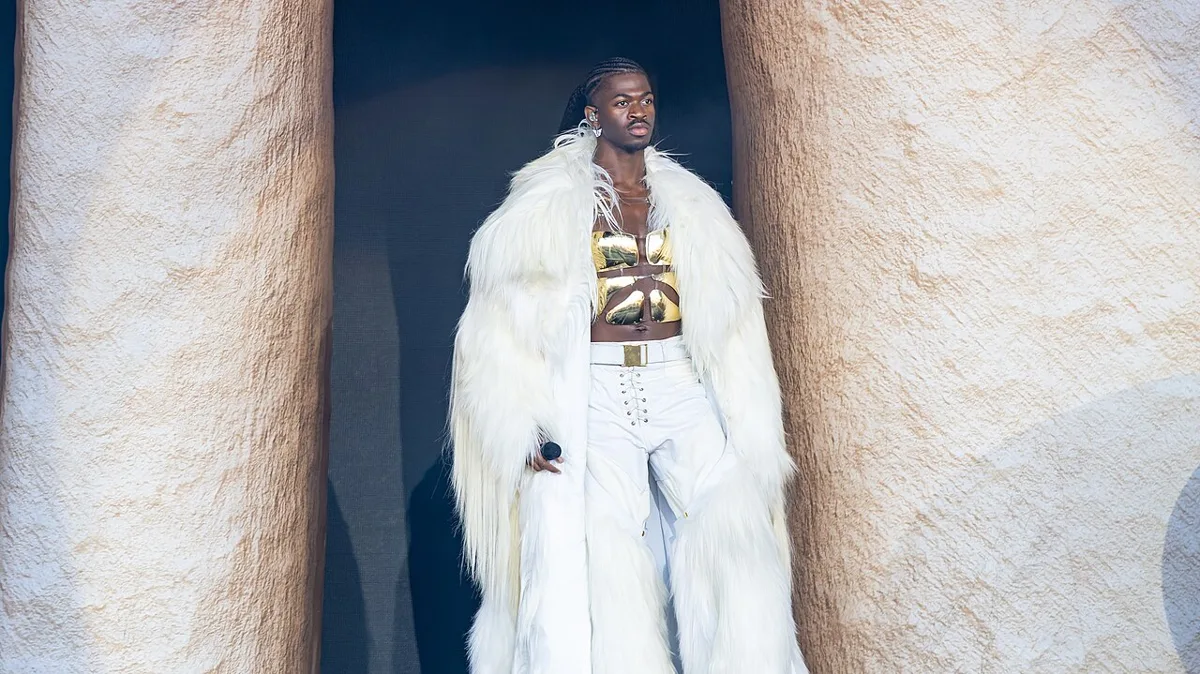
Lil Nas X posted a video to Instagram on Wednesday morning and did something most celebrities never do: told the truth. The 27-year-old discussed his bipolar disorder diagnosis, his time in rehab, and why he already knew something was wrong long before anyone put a name to it. It is, by any measure, a more dignified use of social media than most of what gets posted before noon.
What He Actually Said
The video runs just under three minutes, and it is worth watching in full. According to The Guardian, Lil Nas X told followers he had "been in rehab for a few months" and has since returned home, splitting time between Atlanta, where his family lives, and Los Angeles, where he resides.
He talked about his diagnosis directly, with the kind of specific honesty that is genuinely rare from anyone with this much public exposure. "I have a therapist now and a psychiatrist, which has been really helpful," he said. "When I got my bipolar disorder diagnosis, I feel like I had known for the past few years, but I didn't want to admit to it 'cause I didn't want to have to take medication and, I don't know, have people think different of me."
He also, because he is Lil Nas X and cannot help himself, made a joke. He described his current situation as "living life on extreme hard mode." Then he said he was doing better, creating freely, and that "there's less fear in my heart." He closed by announcing new music is coming and telling his fans he loves them. As far as Instagram videos go, this one has some actual substance to it.
How We Got Here
The backstory, as The Guardian reports, is not a small one. Last August, Los Angeles police responded to calls about a naked man walking on a busy boulevard in the San Fernando Valley. That man was Lil Nas X. Authorities say he charged at the responding officers. A criminal complaint says three officers were hurt. Photos and video taken before the confrontation showed the artist walking in the street wearing only white briefs and white boots.
He was arrested, briefly hospitalized for a suspected overdose, and spent three days in jail before being released on $75,000 bail. He pleaded not guilty to three counts of battery with injury on a police officer and one count of resisting an executive officer. Four felony counts. The kind of legal situation that ends careers, or at least pauses them indefinitely.
In his first public statement after the arrest, he posted a video saying the previous four days had been "terrifying," and then added, laughing, that "your girl is going to be OK." A line that was, depending on your read, either incredibly brave or the best possible deployment of dark humor in a genuinely dark moment. Probably both.
The Legal Path That Made This Possible
In April, Judge Alan Schneider allowed Lil Nas X to enter a mental health diversion program, and this is where the story gets a little more interesting than a standard celebrity comeback arc. The Guardian reports that the court found the incident involving police was the result of his since-diagnosed bipolar disorder and appeared to be an aberration compared with his usual behavior.
The terms are straightforward: stick to his treatment program, obey all laws for two years, and the four felony counts get dismissed. That's the deal. It is a program designed for exactly this kind of situation, where a mental health crisis and criminal conduct collide, and where locking someone up without treating the underlying cause would be both cruel and pointless.
Whether the program works depends entirely on whether the treatment works. He says it is. That's what Wednesday's video was about.
Who Lil Nas X Is, For Anyone Who Forgot
The Guardian notes the highlights, but they are worth repeating because they are genuinely staggering. "Old Town Road," released in 2018, spent 19 weeks at number one on the Billboard Hot 100, breaking the record previously held by Mariah Carey's "One Sweet Day." He won two Grammys for it. It remains one of the best-selling singles in history.
His 2021 debut album "Montero" hit number two on the Billboard album chart and received a Grammy nomination for album of the year. "Industry Baby" and "Montero (Call Me by Your Name)" both became cultural events. He has been, since the age of nineteen, one of the most recognizable musicians on the planet, openly gay in a genre that has historically had very little patience for that, and constantly doing something that makes half the internet lose its mind.
He has been doing all of this, he now tells us, while carrying something he was afraid to name. Seven years of one of the most visible careers in music, with a diagnosis he suspected but would not confirm. That context matters.
The Bigger Picture Nobody Wants to Sit With
Bipolar disorder, as The Guardian explains, causes dramatic shifts in mood, energy, activity levels and concentration. The manic episodes. The depressive crashes. The periods of elation and the periods where everything goes dark and indifferent. It is a serious, manageable, and frequently misunderstood condition that affects millions of people who are not famous and therefore do not get public mental health diversion programs or Instagram updates.
What Lil Nas X said on Wednesday is the kind of thing that a lot of people who have been quietly white-knuckling their way through an undiagnosed condition will recognize immediately. The knowing, the not-wanting-to-know, the fear of what admitting it means. The medication question. The what-will-people-think question.
He named all of it out loud. That is not nothing.
The Dingo Take
Here is what a genuine accountability moment looks like, since we spend so much time covering the fake kind. No publicist-crafted statement. No carefully worded non-apology. Just a person sitting down and saying: here is what happened to me, here is what I now know about myself, here is what I am doing about it. The last few years of American public life have been so thoroughly marinated in bad-faith performances of honesty that it is genuinely disorienting to watch the real thing.
The mental health diversion program that kept this off a criminal record is also worth acknowledging, because it is a program that exists and works and is routinely underfunded and undersupported and unavailable to most people who need it. Lil Nas X had lawyers, resources, and a diagnosis that convinced a judge to grant the program. Most people do not get that. The answer to that gap is not to resent the people who benefit from the program. The answer is to build more programs.
He said new music is coming. He said there is less fear in his heart. Whether or not you care about the music, the second part is the part that matters. The fear of being known, of being medicated, of being perceived differently once people understand what is actually going on inside you: that fear is what keeps people sick. He said it out loud to millions of people. Some of those people needed to hear it. Probably more than either of us would guess.



Comments