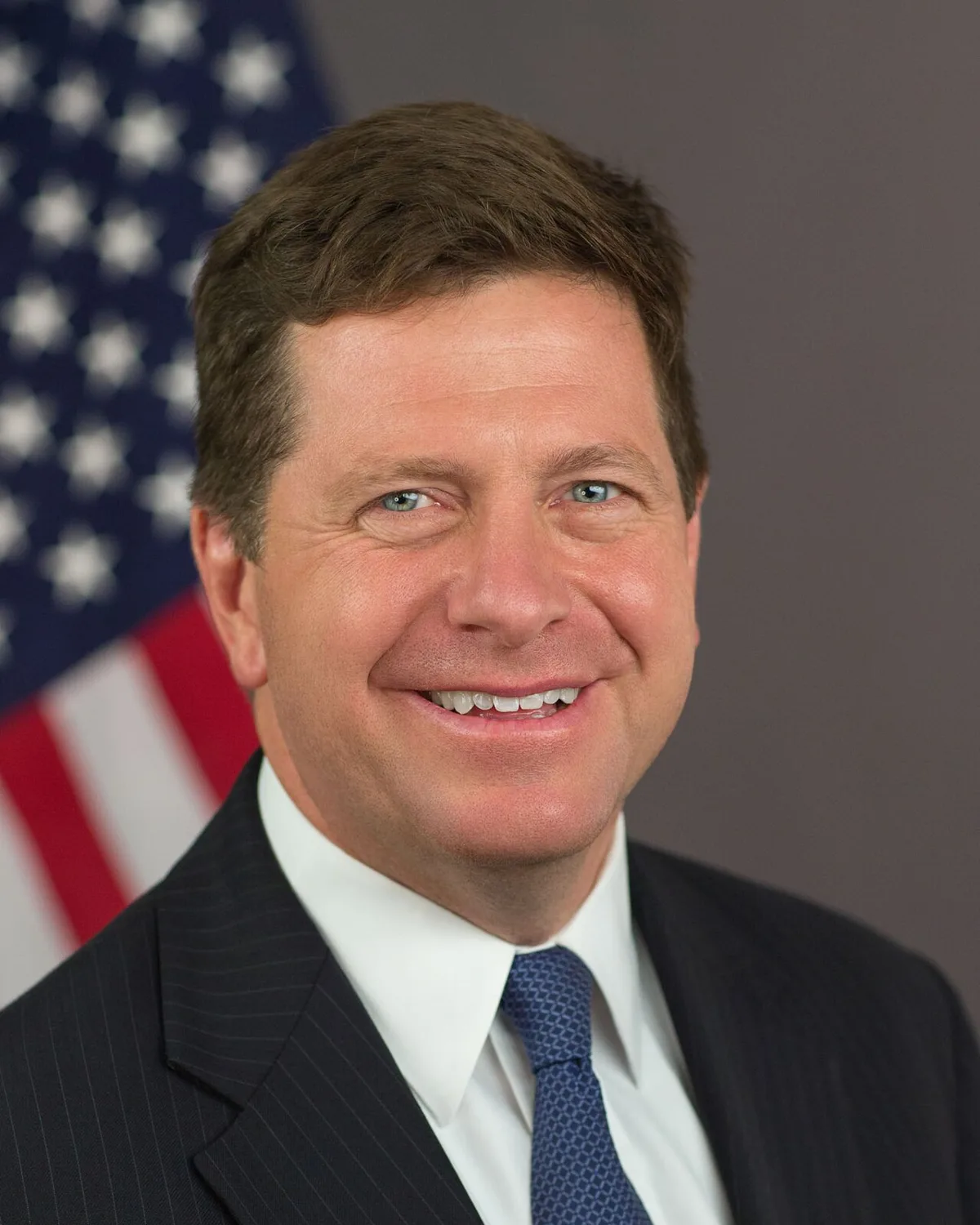
President Trump announced that the confirmation hearing for his Director of National Intelligence nominee Jay Clayton had been canceled. The only problem: it hadn't. Senator Tom Cotton, the Republican running the show in the upper chamber, went on the record hours later to say the hearing is still very much happening, and the whole situation is a perfect little window into how this administration actually functions.
The President Made Something Up, Apparently
Here's the thing. When the President of the United States says a Senate confirmation hearing has been canceled, you'd assume someone checked with, at minimum, the Senate. According to Axios, Trump claimed on Wednesday that the scheduled hearing for Jay Clayton was off. Tom Cotton, Republican of Arkansas, then walked directly up to a microphone and said that was not true.
Cotton's statement was about as plain as it gets: the hearing will proceed as scheduled unless Trump either directs Clayton not to show up or formally withdraws the nomination. That's it. Those are the two ways this doesn't happen. Short of that, Jay Clayton is sitting in front of senators on Wednesday, whether the president thinks so or not.
Why Clayton Matters More Than You Think
Jay Clayton is not just some random pick for a random job. The Director of National Intelligence oversees the entire American intelligence community, seventeen agencies in total, including the CIA and the NSA. This is not a ceremonial post. Whoever holds it shapes what the president knows, when he knows it, and how it gets framed for him.
Axios reports that Clayton's nomination was being fast-tracked by the Senate in part as a peace offering, a way to smooth over the very real tensions between the White House and Republican senators after Trump decided to install Bill Pulte as acting intelligence chief. Pulte, a man whose primary qualification for the role appears to be that he was already installed as acting FHFA director and briefly ran a charity, is not exactly the intelligence community's idea of a steady hand. Clayton, at least, was supposed to be a figure Republicans and the White House could agree on. The fast-track was the deal.
Bill Pulte Is Still Sitting in the Job
Let's not skip past that detail too quickly. The reason the Senate was motivated to rush Clayton through is that Trump already put someone in the DNI role on an acting basis, and that someone is Bill Pulte. If you don't know who Bill Pulte is, that's sort of the point. He came to wider public attention running a Twitter account where he gave money to strangers online. He was then made acting director of the Federal Housing Finance Agency. And then, apparently, acting Director of National Intelligence.
The intelligence community has been quietly losing its mind over this for weeks. Career officials do not love the idea of a man with no intelligence background sitting at the top of the pyramid while a confirmation process slowly grinds forward. That anxiety is, in part, why senators were motivated to get Clayton confirmed quickly. And then Trump announced the hearing was canceled, which it wasn't.
Cotton Is Holding the Line, For Now
Tom Cotton is not a man known for publicly embarrassing Republican presidents. He spent years as one of Trump's most reliable allies in the Senate, hawkish on foreign policy, aggressive on the culture war, reliably in the corner of whoever the base loves. So when Cotton goes on record to flatly contradict what Trump just told the world, that's not nothing.
His statement carried an implicit warning too. He said the hearing proceeds unless Trump directs Clayton not to appear or withdraws the nomination. Read between those lines. Cotton is essentially saying: if you want to blow this up, Mr. President, do it formally and own it. Don't just make announcements about things that aren't true and let us figure it out. Whether Trump absorbed that message is, based on available evidence, genuinely unclear.
What Happens If Clayton Doesn't Get Confirmed
If this hearing does fall apart, and if Clayton's nomination collapses, the logical outcome is that Bill Pulte stays in the DNI role for longer. Maybe indefinitely. That is precisely the outcome that made Republican senators nervous enough to fast-track the hearing in the first place.
There's also a broader pattern here that national security experts have been flagging for months. The intelligence community functions on stability, continuity, and institutional trust. When the top job is a revolving door of acting appointees with no intelligence background, when the confirmation process gets publicly sabotaged by the president himself before it even starts, people notice. Allies notice. Adversaries notice. The people who run foreign intelligence services are watching this, and they are not watching it with concern.
The Dingo Take
The funniest and most horrifying part of this story is not that Trump said something untrue. That's not news. The horrifying part is the specific thing he said was untrue: that a Senate hearing, run by Republicans, about his own nominee, was canceled. He did not check. Or he checked and was told something wrong. Or he just decided it was canceled because he felt like it. We genuinely do not know which of those options is real, and all three of them are bad.
The Director of National Intelligence is, on paper, one of the most powerful and consequential positions in the United States government. The person who holds it tells the president what America knows and doesn't know about every threat on the planet. And the way we are selecting that person involves the current president publicly announcing the confirmation process is dead while the senator running the process says it very much isn't. This is fine. Everything is fine.
Tom Cotton will presumably get his hearing. Jay Clayton will presumably answer questions. Bill Pulte will presumably continue to act as America's top intelligence official until that process concludes, which is its own sentence that should haunt everyone involved. But somewhere between Trump's announcement and Cotton's rebuttal, a few foreign intelligence services probably updated their files on how reliably the American executive branch communicates with the American legislative branch. The answer they wrote down is not flattering.




Comments