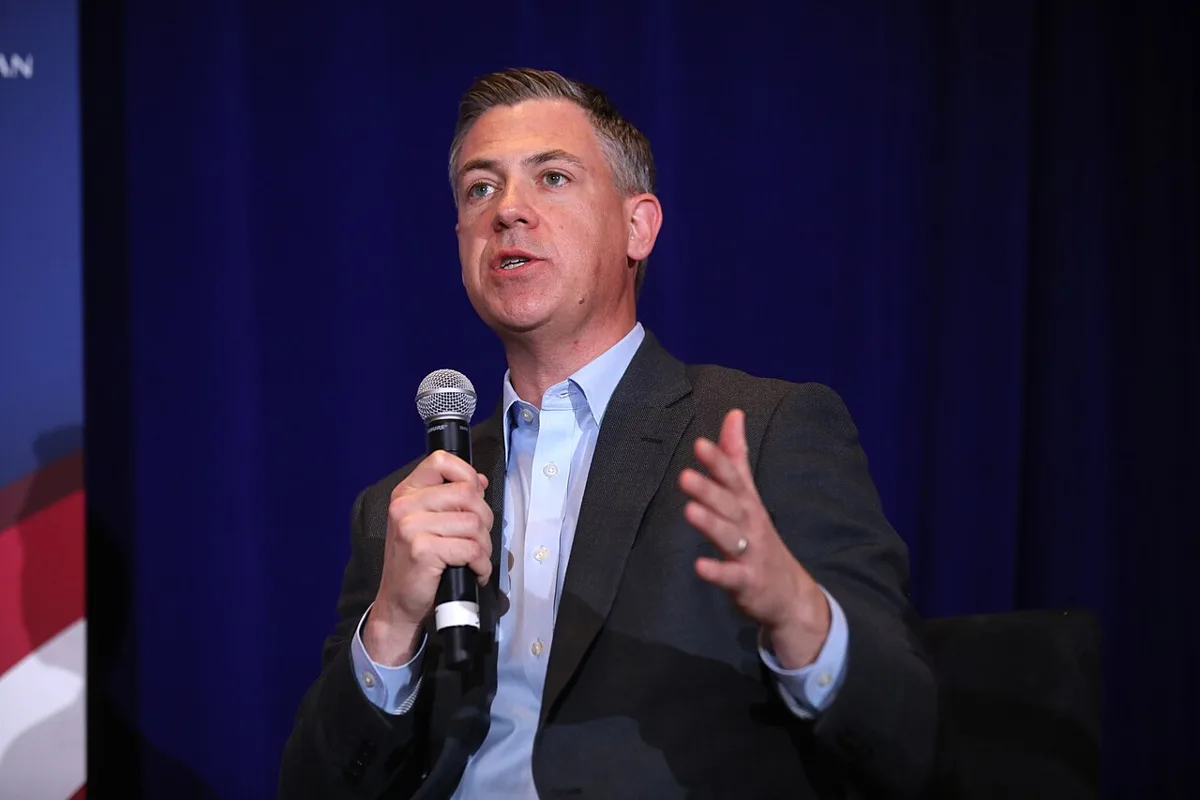
Nothing says 'winning wars' like spending congressional floor time on pronoun policy. Sen. Jim Banks of Indiana has slipped an amendment into the $1.15 trillion National Defense Authorization Act targeting Biden-era diversity programs at the Pentagon, and Pete Hegseth is thrilled about it. The U.S. military has a readiness crisis, a recruitment shortfall, and a suicide rate that should keep everyone awake at night, but sure, let's make sure nobody's getting promoted because of their pronouns.
What Banks Actually Snuck In
According to Fox News, which got the amendment first, Banks secured three specific provisions tucked into the must-pass defense policy bill. The first strips diversity as a factor in promotion boards for active-duty officers, warrant officers, and reserve officers, replacing it with a mandate to focus on merit, qualifications, and leadership. Which sounds reasonable until you realize 'merit' has been doing a lot of heavy lifting as a coded term in this administration.
The second provision repeals language that had protected service members' ability to use gender identifiers or personal pronouns in official military communications, like emails. This aligns with an executive order Trump signed last year declaring that expressing a 'false gender identity' cannot satisfy military service standards. The third prong shifts DEI training out and replaces it with instruction on military values: honor, courage, commitment, integrity, and excellence. A list that sounds like it was pulled directly from a motivational poster at a CrossFit gym Hegseth definitely frequents.
Hegseth Has Been Auditioning for This Moment for Years
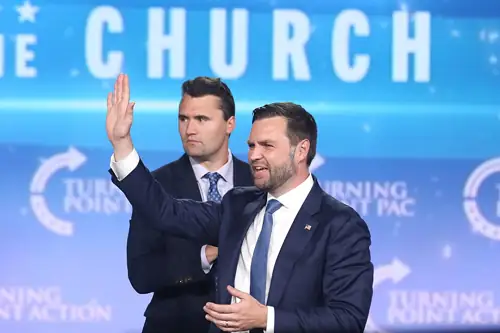
Pete Hegseth, who Fox News consistently refers to as the 'Secretary of War' rather than Secretary of Defense, has made gutting DEI programs his signature project at the Pentagon. He recently told a crowd at Turning Point USA's Student Action Summit that he is returning the military to its 'warrior ethos,' which is the kind of line that sounds incredible if you've never read a history book about what actually degrades military effectiveness.
Hegseth has claimed publicly that '99.9%' of DEI initiatives are already gone from the military under Trump. Banks' amendment, then, is less about changing things on the ground and more about cementing those changes in statute, making them harder for any future administration to reverse. That's the real play here. This isn't about solving a problem. It's about locking in a culture war win before anyone can claw it back.
The NDAA as a Culture War Vehicle
The National Defense Authorization Act is supposed to be one of Congress's most serious pieces of legislation. It authorizes funding and policy for the entire U.S. military every single year, and it almost always passes, which is why it's a favorite dumping ground for amendments that wouldn't survive a standalone vote. Banks knew exactly what he was doing by going this route.
The bill this cycle authorizes $1.15 trillion in Pentagon spending. That is a number so large it has essentially lost meaning. For context, that's roughly what the United States spent on all discretionary programs combined just a few years ago. Against that backdrop, a quiet amendment about promotion board criteria is easy to miss, which is precisely the point. You slip the culture war stuff into the funding bill, it becomes law, and nobody outside the defense policy world notices until it's too late to matter.
Banks' Statement Tells You Everything You Need to Know
In his statement on the amendment, Banks said the military 'should be focused on winning wars, not pushing political agendas.' He said this while pushing a political agenda into the military's primary authorization bill. The irony is so thick you could spread it on toast.
Banks also called Biden-era DEI programs 'nonsense that hurt morale and took focus away from the mission.' That's a strong claim. You'd expect it to be backed by, say, a report, a study, a retired general, anything. Instead the argument is essentially: DEI bad, Hegseth agrees, therefore amendment. That's the entire evidentiary chain. Banks got the amendment, Fox News got the exclusive, and somewhere Pete Hegseth is nodding approvingly at a TV he's definitely yelling at.
What This Does and Doesn't Change
Here's the thing about 'merit-based' promotion language: the military has always officially promoted on merit. Every branch has formal evaluation systems, performance reviews, and command assessments. What DEI policies in this context actually did was require promotion boards to examine whether those supposedly merit-based systems were producing results that looked statistically implausible, like if an entire branch's senior officer corps was 94% one demographic despite a much more diverse enlisted population. That kind of audit isn't anti-merit. It's pro-math.
Removing those checks doesn't automatically make the system fairer. It just removes the requirement to look at whether the system is fair. That's a different thing. Banks and Hegseth are selling it as liberating the military from ideology. What it actually does is make it easier to ignore structural patterns and call the result 'merit' without having to prove it.
The Dingo Take
Let's be honest about the scoreboard here. Pete Hegseth has been in charge of the Pentagon for over a year. Recruitment is still struggling. Readiness concerns haven't disappeared. The drone warfare gap with China hasn't closed. The housing situation for enlisted service members is still a scandal. But we have, with great urgency, addressed the email pronoun situation. Mission accomplished, gentlemen.
The Banks amendment might sail through on the back of a $1.15 trillion must-pass bill, and the people who should be paying the closest attention, defense reporters, Senate Armed Services Committee members, military advocacy groups, will probably be busy tracking the seventeen other things this administration is doing simultaneously. That's how this works. The chaos isn't a bug. It's a filing system.
The actual question nobody in this story is answering is whether any of this makes the military better at its job. Not more ideologically pure. Not more in line with what Hegseth tells crowds at Turning Point USA events. Better at the mission. Until someone can show the data on that, 'warrior ethos' is just a phrase that sounds tough at a conference and means nothing on a battlefield.


Comments