North Dakota collects more tax revenue per person than almost every state in the country, and somehow that's the argument for why it's a low-tax paradise. That sentence is not a contradiction. It's a lesson in who actually pays the taxes — and who doesn't.
The Neat Trick North Dakota Is Pulling Off
According to the latest U.S. Census Bureau data, North Dakota raked in $9,834 per resident in state and local tax collections in 2023. That puts it second in the entire nation. On paper, that sounds like the kind of number that gets a governor primaried.
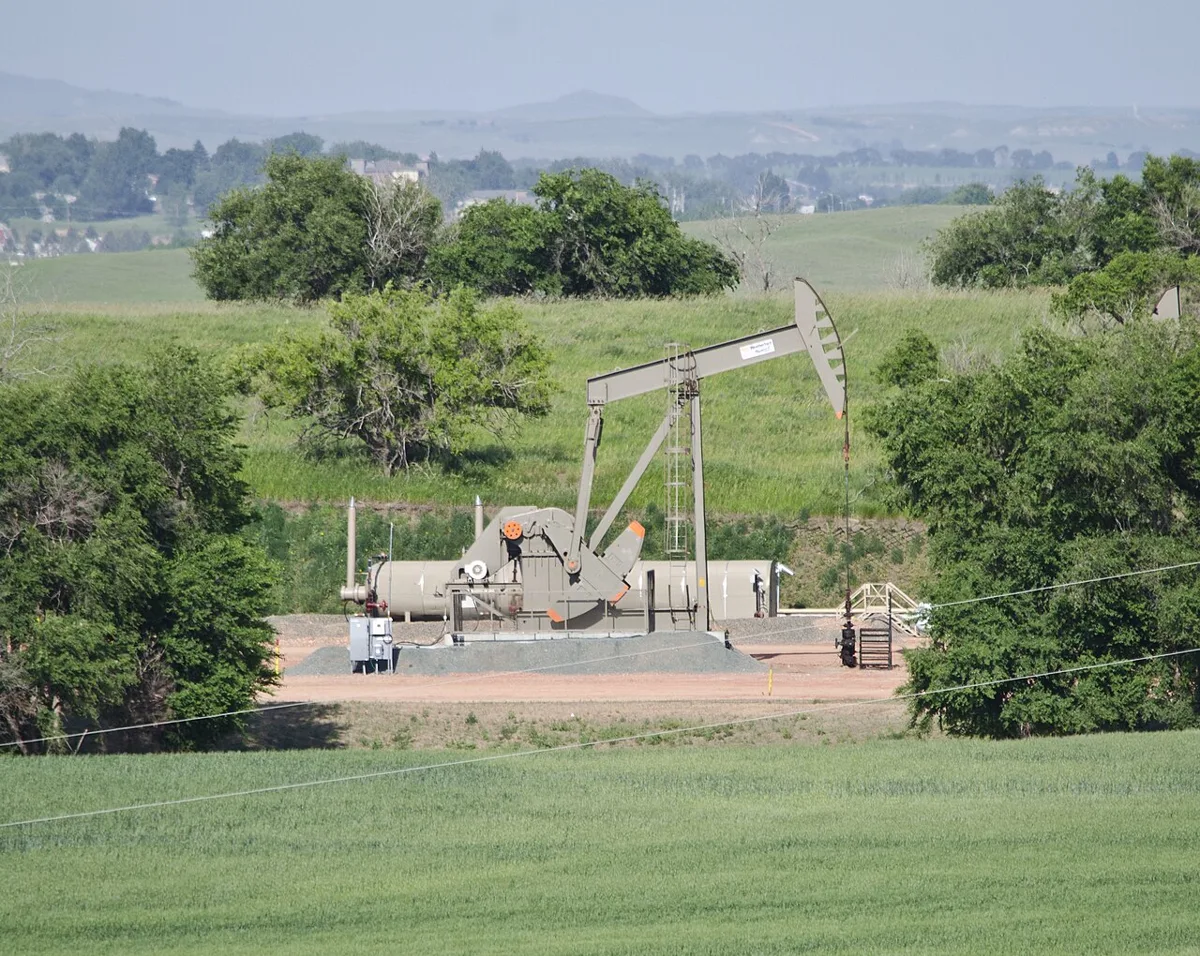
Except here's the catch: a huge chunk of that money isn't coming from residents at all. Of the $7.72 billion collected that year, roughly $3.17 billion came from severance taxes on oil and gas production. That's 41% of total revenue flowing straight out of the ground, not out of anyone's paycheck.
Individual income taxes? Just 6.4% of total revenue. Corporate income taxes? Another 4.2%. The state still collects property taxes, sales taxes, and income taxes like everyone else, but the burden on actual human beings living and working there is considerably lighter than states that have to squeeze their residents to keep the lights on.
Fox News Digital reports that Nicole Fox, senior policy analyst at the nonpartisan Tax Foundation, looked at IRS migration data and found a consistent pattern: states with more competitive tax structures and lower costs of living are seeing net in-migration. North Dakota, quietly, has been building that case for years.
So What North Dakota Actually Has That Texas Doesn't
Texas and Florida get all the press. They're the poster children for low-tax Republican governance, the destinations people cite when they announce they're fleeing California or New York. And to be fair, they've earned some of that reputation.
But North Dakota is sitting on the Bakken Formation, one of the largest oil deposits in the country, and that changes the math entirely. Fox News Digital reports that the state's oil boom has generated billions in annual tax revenue that gives lawmakers room to cut taxes on residents while still keeping the government funded. It's not magic. It's geology.
The broader argument being made by tax advocates here is that when a revenue windfall hits, you have two choices: spend it on expanding government programs, or use it to reduce the burden on the people who live there. North Dakota, the argument goes, has been doing the latter. Few states have that option, but the principle isn't as state-specific as the oil reserves are.
Scott Bessent Swoops In to Make This About California, Naturally
You didn't think we were going to get through a Fox News story about red-state tax policy without a detour through California-bashing, did you? Treasury Secretary Scott Bessent, speaking at the Petroleum Club of Houston last week, was happy to oblige.
"In California, I saw firsthand what years of failed governance looks like: a tax system that is hostile to ambition. A regulatory state that smothers enterprise. An economic climate indifferent to consequence," Bessent said, in remarks first shared with Fox News Digital. He then pivoted to Texas: "Here in Texas, meanwhile, the contrast is so striking that it begins to feel like a tale of two states."
Bessent also threw in the kicker that "energy abundance also secures a nation" and "economic security is national security," which is a very convenient framing when you're speaking at an oil industry club and trying to justify domestic drilling policy. Points for the room-reading.
None of this is wrong, exactly. California does have a brutally high tax burden, particularly on high earners, and that has driven some very wealthy people toward Nevada and Texas. But framing North Dakota's success as a simple political lesson glosses over the part where the state is essentially subsidized by fossil fuel extraction. That's a specific circumstance, not a replicable ideology.
The Part Nobody Wants to Say Out Loud
Look, the Tax Foundation's data is real. The migration trends are real. States with lower tax burdens do attract more residents and businesses, full stop. That's not a partisan talking point, it's a documented pattern in how people respond to economic incentives.
But the North Dakota model has an asterisk the size of a pumpjack. The reason residents aren't getting crushed by income taxes is because oil companies are picking up 41 cents of every dollar the state collects. The moment those oil revenues drop, whether from a price crash, a production slowdown, or the slow-motion transition away from fossil fuels, the entire equation changes. Suddenly someone has to pay for things.
That's not a hypothetical either. North Dakota has lived through oil price collapses before, including a brutal one in 2015 and 2016, and felt the budget pain immediately. The state has managed it better than most, building up reserve funds and restraining spending growth, but the underlying vulnerability is structural. You can't drill your way out of a permanent dependency on drilling.
The Dingo Take
Here is the thing about the "North Dakota is the new Florida" story: it's genuinely interesting, and the tax data is real, and the migration research from the Tax Foundation is legitimate. The problem is the lesson being drawn from it. The Fox News framing is essentially "cut taxes, keep revenues high, win" without ever stopping to explain that the mechanism making that work is billions of dollars in extraction taxes that most states simply cannot replicate. Kansas tried the "cut taxes and watch the economy boom" experiment in 2012 under Sam Brownback. It was a catastrophe. Schools gutted, credit downgraded, the whole thing reversed years later in humiliation. North Dakota is not Kansas because North Dakota has the Bakken Formation, not because Republican governance is magic.
The Scott Bessent appearance at the Petroleum Club of Houston is, in its own way, a perfect little capsule of how this administration operates. The Treasury Secretary of the United States going to an oil industry event to praise oil states, trash California, and argue that domestic energy production is national security. He's not wrong that energy independence matters. He's also speaking to an audience that has a direct financial interest in every policy position he just endorsed. That used to be the kind of thing people at least pretended to be uncomfortable about.
North Dakota has done some genuinely smart things with its oil revenue, and the Tax Foundation's point about using windfalls to lower burdens rather than just expand spending is worth taking seriously anywhere. But the next time someone uses it as proof that cutting taxes pays for itself through economic growth, ask them where they're planning to find their Bakken Formation. The honest answer is they're not. The ideology requires the oil. The oil is not optional.


Comments