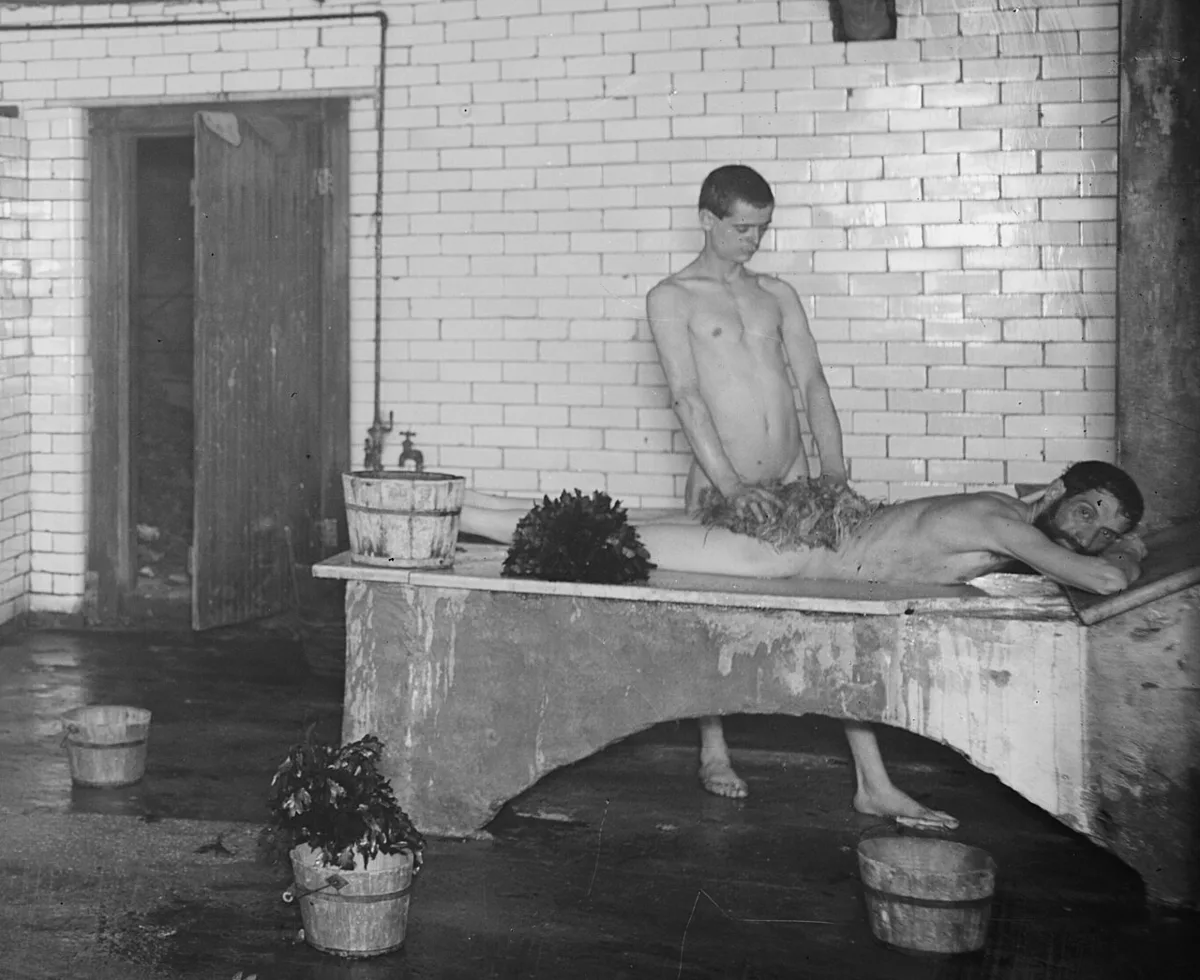
Minneapolis is about to vote on repealing a 38-year-old ban on bathhouses and other venues where consenting adults can have sex. The ban was passed in 1988. The first openly gay member of the Minneapolis City Council helped pass it. History is rarely clean, and this story is proof.
What the Council Actually Heard
The Minneapolis City Council held its second public hearing this week on a pair of ordinances that would repeal the ban on venues where consenting adults engage in sexual activity, and establish new regulations for how those businesses would operate going forward. The New York Post reports that over 30 residents showed up to speak, with LGBTQ activists making up a significant chunk of those in favor of repeal.
The argument from advocates is not complicated: push sex underground, and you make public health harder. Jay Orne, a researcher with the Aliveness Project, put it plainly at the hearing. "Our task is not to eliminate places where people have sex but bring people out of the shadows where we can give them the tools that we have in place," Orne said, adding that research shows driving sexual activity into less visible spaces does not reduce risk, it just makes outreach and education more difficult.
Speakers also made the case that repealing the ban would benefit tourism and give LGBTQ communities a dedicated, regulated space where safer sex practices could actually be promoted. The Safer Sex Spaces Coalition argued the whole point is harm reduction, not harm creation.
One Man's Testimony Cuts Through Everything
The most searing moment of the hearing came from Patrick Scully, an LGBTQ activist who lived through the era when the original ban was passed. "I have lived most of my life criminalized and excluded by the system," Scully told the council. "Discrimination against me was legal until I was almost 40 years old in Minnesota. Sex was a crime in Minnesota until I was in my 50s. Marriage was not an option until I was in my 60s."
He kept going. "So don't expect me to live my life like you live your life if you're a heterosexual. You forced me to find other ways to live my life."
There is no punchline to that. No clever frame. That is just a man describing the arithmetic of living gay in America over the last five decades, and what it cost him. The council should have been listening very carefully.
The Ghost in the Room: Brian Coyle
Here is where the history gets genuinely complicated. The New York Post reports that the first openly gay member of the Minneapolis City Council, Brian Coyle, was instrumental in passing the original 1988 ban. The Minnesota Star Tribune noted that Coyle said at the time that many members of the LGBTQ community actually supported it.
Coyle had been diagnosed with HIV in 1986, though he did not acknowledge it publicly until 1991, the same year he died of AIDS-related complications at age 47. The context matters enormously. In 1988, gay men were watching their friends and communities die at a scale the broader public largely refused to acknowledge. The calculus around bathhouses and HIV transmission was genuinely contested and genuinely terrifying. The people who passed that ban were not all homophobes. Some of them were scared people trying to stop a plague with the tools they had.
Council Member Jason Chavez, the only openly LGBTQ member of the current council, addressed this directly. "I have deep respect for Brian Coyle, and I know when he did this vote it was because of an epidemic that was impacting my community," Chavez said. But he did not stop there. "At the same time, there were folks who supported the efforts to ban this because of homophobia. Because they did not believe in the existence of LGBTQ+ people, and that cannot be removed from history."
Where Things Stand Before the Vote
Mayor Jacob Frey has not made this a priority for his administration, but according to MPR News, he indicated he would sign a repeal if the council passed it. Fox News Digital reached out to his office for comment. The full council vote is scheduled for next week.
The new ordinances would not just lift the ban. They would establish a regulatory framework for how these venues operate, which is exactly what public health advocates have been asking for. The argument has always been that regulation beats prohibition when it comes to sexual health, and decades of research on harm reduction back that up.
The Dingo Take
The right-wing coverage of this story is going to be exactly what you expect: bathhouses bad, Minneapolis degenerate, civilization crumbling, etc. That framing misses everything interesting and almost everything true about what is actually happening here. This is a city grappling honestly with the legacy of a law passed during one of the most desperate periods in LGBTQ history, trying to figure out what the right answer looks like in 2026 with different tools, different medicine, and a very different political reality.
Brian Coyle is a genuinely tragic figure in this story, not a villain. He was a gay man dying of a disease that was killing his entire community, voting for a ban that some of his own people supported, in a world where the federal government was letting them all die while cracking jokes. The fact that homophobes also supported the ban does not make Coyle's motivations homophobic. Chavez got that right. History is messier than the takes we build around it.
What Minneapolis is doing now is the right call. Thirty-eight years of evidence, advances in HIV prevention and treatment, and basic common sense all point in the same direction: regulated spaces with access to education and resources are safer than forcing people into the shadows. The vote next week should not be close.

Comments