A Los Angeles hospice owner allegedly ran a $27 million Medicare scam by billing for dead people and the terminally healthy alike, then used the proceeds to lease a Rolls Royce Phantom worth half a million dollars. He reportedly paid a funeral home for the names of its clients. The dead ones. To steal their identities. Let that settle in for a second.
The Scheme, Because You're Going to Want the Details
Oren David Shachar, 59, of Van Nuys, owned at least four hospices in the Los Angeles area. According to the New York Post, which was on the ground when federal agents arrested him on June 18, Shachar allegedly conspired with two marketers to submit false Medicare claims for hospice services rendered to people who were either not terminally ill or were already dead.
To pull off the dead-people part of this, prosecutors say he paid kickbacks to a local funeral home in exchange for the names of its recently deceased clients. Then he billed Medicare as if those people were receiving end-of-life care. From his hospices. After they had already ended.
He is charged alongside Abraham Shin, 66, of Corona, and Jeannie Choi, 57, of Torrance, in a 16-count federal indictment. All three face charges of ripping off Medicare for approximately $27 million. Choi was arrested Monday and was expected in US District Court in Los Angeles on Tuesday.
The Rolls Royce Is the Part That Will Make Your Eye Twitch
Federal prosecutors say Shachar pulled $15,000 directly from one of his hospice businesses to use as a down payment on a lease-to-own Rolls Royce Phantom. The Phantom carries a sticker price of nearly $530,000. That is Medicare money. Taxpayer money. Specifically, money that was supposed to pay for end-of-life care for sick and elderly Americans.
It went toward a car that costs more than most Americans will earn in a decade.
There is no elegant way to write that sentence. There is no framing that makes it less grotesque. A man allegedly took money meant for dying people and bought himself one of the most expensive production cars on earth. If you are not angry about this, check your pulse.
This Was Part of a Much Bigger Sweep
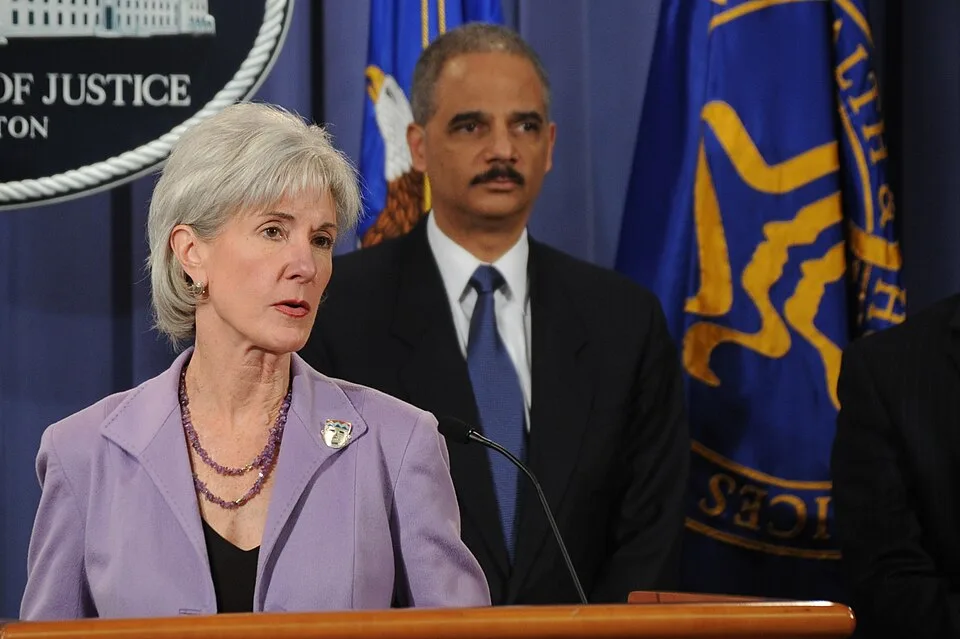
Shachar's arrest was part of a national healthcare fraud takedown announced Tuesday by acting Attorney General Todd Blanche at a press conference at DOJ headquarters. According to the New York Post, federal prosecutors this year have charged fraudsters accused of stealing more than $6.5 billion in healthcare funds nationwide, including a record-breaking arrest of 455 alleged healthcare criminals across 45 states.
"Fraudsters can no longer rip off American taxpayers," Blanche said at the press conference. "If you seek to harm or cheat Americans, we will find you, seize any assets, and prosecute you to the fullest extent of the law."
First Assistant US Attorney Bill Essayli, whose office in the Central District of California brought charges against 10 defendants total in this sweep, put it more plainly: "Public health programs are intended to support the elderly, the ill, the needy, and other vulnerable members of our communities. It is not there to enrich fraudsters."
Oh, and There's a $270 Million Fake Drug Scheme Too
Because one massive Los Angeles healthcare fraud story was apparently not enough for one week, the New York Post also reports that federal agents arrested Christina Mareik, 61, of Whittier, on June 17 on charges of submitting nearly $270 million in bogus Medi-Cal claims for expensive prescription drugs that were not medically necessary and, in many cases, never actually provided to patients.
Medi-Cal reportedly paid out more than $178 million on those fake claims before anyone stopped it. Mareik allegedly worked with Paul Richard Randall, 67, a patient marketer for Monte Vista Pharmacy. Federal authorities seized multiple luxury cars and rare baseball cards in connection with that scheme. Randall already pleaded guilty on April 7 to wire fraud and faces up to 30 years in federal prison.
Mareik is currently free on $100,000 bond, with arraignment scheduled for July 23. She submitted $270 million in fake drug claims, and her bail is a hundred grand. The American justice system contains multitudes.
What Actually Got Seized
Federal authorities seized multiple luxury vehicles in connection with the drug fraud case, plus the rare baseball cards, which is the detail that will live rent-free in your head. Someone looked at hundreds of millions in Medi-Cal fraud money and thought: yes, I will invest in rare baseball cards.
In Shachar's case, the Rolls Royce Phantom is presumably at the center of the asset seizure discussion. When prosecutors say they will "seize any assets," they tend to mean exactly that.
The Dingo Take
Here is what makes the Shachar case so clarifying: he did not steal from some faceless abstraction. Medicare and Medi-Cal exist because the United States decided, at some point, that old people and sick people and poor people should not just be left to die without any help at all. These programs are imperfect and perpetually underfunded and constantly under political attack, and the reason they stay underfunded is partly because of stories exactly like this one. Every time someone steals $27 million by billing for dead hospice patients, it becomes ammunition for the people who want to gut public healthcare entirely. The fraudsters and the budget hawks have a symbiotic relationship they would both rather not discuss.
The funeral home angle is what keeps this story from being just another white-collar fraud case. Shachar allegedly paid someone at a funeral home to hand over the names of the recently deceased so he could pretend they were receiving hospice services. These were real people. They had families. They were grieving. And somewhere in Los Angeles, a man was submitting Medicare claims in their names and using the money to lease a half-million-dollar car. That is not just fraud. That is a specific, deliberate, calculated choice to exploit the dead. The Rolls Royce is the punchline. The funeral home is the horror.
Blanche's press conference numbers are genuinely staggering: $6.5 billion in healthcare fraud charged this year alone, 455 arrests across 45 states in a single sweep. That is not a rogue bad actor problem. That is a systemic failure of oversight, enforcement, and program integrity that has been building for years. Credit where it's due, the DOJ going hard on this is the right call. But let's not pretend we stumbled into $6.5 billion of fraud overnight. This took time, negligence, and a system with enough gaps to drive a Rolls Royce Phantom through.




Comments