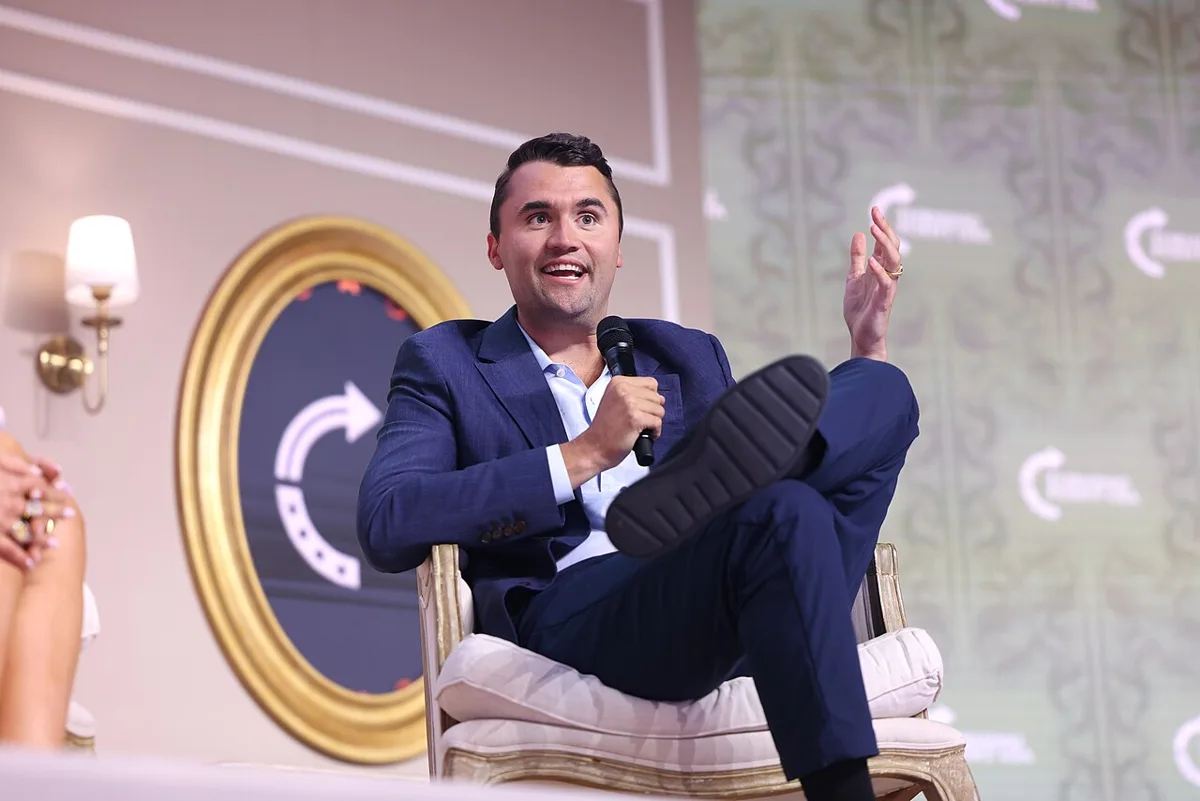
A detective looked at a disturbed patch of gravel on a rooftop above a university tent and described elbow marks, knee marks, and a direct sightline to where Charlie Kirk was standing. That was just day one. The preliminary hearing for Tyler Robinson, the 23-year-old charged with Kirk's murder, got underway Monday in Utah, and prosecutors came loaded.
What Actually Happened That Day
Kirk, 31-year-old founder of Turning Point USA and one of the more prominent MAGA media figures of the last decade, was shot on September 10, 2025, while speaking under a tent at Utah Valley University. He was mid-sentence, on his American Comeback college tour, talking about gun violence, when a shot from a rifle dropped him. He died at the scene.
Law enforcement moved fast. Someone was taken into custody almost immediately. But as BBC News reports, one officer on the scene, Chris Bagley, who had been stationed on a building above the tent, grew suspicious. He found a screwdriver. He found gravel disturbed in a pattern he recognized from training. Elbows. Knees. Feet. The outline of someone lying prone, aimed directly at Kirk's tent.
That person, he concluded, was not the individual already in custody. The manhunt widened. Tyler Robinson was arrested days later.
Four Visits to Campus, One of Them After Kirk Was Already Dead
The most methodical piece of evidence prosecutors presented Monday was surveillance footage reviewed by David Hull, an agent with Utah's State Bureau of Investigation. Hull testified that the footage shows Robinson on the university campus four separate times on the day of the shooting, according to BBC News.
Twice before the attack. Once at the time of the shooting. And then again that evening, hours after Kirk had already been killed. Whatever Robinson's defense team is building, they're going to have to explain that last visit.
Prosecutors also played home security footage from a neighborhood near campus showing a gray Dodge parking, its driver disappearing, and then returning later to drive away. The vehicle, prosecutors say, belongs to Robinson.
The Defense Hasn't Tipped Its Hand Yet
Robinson has not entered a plea. That's unusual enough at this stage that it's become its own subplot in the coverage. His attorneys have previously tried to get various evidence thrown out and have asked Judge Tony Graf to take the death penalty off the table. Both requests have, so far, not succeeded.
On Monday, defense attorney Kathryn Nestor pushed back on the surveillance testimony by questioning the staffing levels at the event, what security planning had been done, and how Robinson was initially identified as a suspect. That framing, scrutinizing the investigation itself rather than offering an alternative account, suggests the defense may lean on procedural challenges rather than a competing theory of the crime. But it's early. The hearing runs all week.
The Family Is Watching All of This
Kirk's widow Erika, his parents Robert and Kathryn, and his sister Mary were present in the courtroom Monday and faced Robinson directly for the first time during these proceedings. They released a statement before the hearing began, and it was measured and quiet in the way statements from people in genuine grief tend to be.
"Every court proceeding serves as a painful reminder of his death and the loss that has irrevocably impacted our lives and the lives of his children," the statement read, per BBC News. They asked for privacy and said they wouldn't be commenting further while the process plays out.
Kirk had two children. He was 31. Whatever you thought of his politics, those are the facts sitting in the room with everyone this week.
What This Week Actually Determines
This is a preliminary hearing, not a trial. The judge is deciding one specific question: have prosecutors shown enough evidence that a reasonable jury could convict? The bar is lower than at trial. But the evidence being presented is still substantive, and the week-long schedule suggests prosecutors are not playing this minimally.
Four law enforcement witnesses are expected to testify in total. Monday's hearing covered two of them. BBC News reports the proceedings are expected to continue through Friday, with more witness testimony and physical evidence still to come. If the judge finds sufficient cause, Robinson goes to trial, where prosecutors are seeking the death penalty.
The Dingo Take
Look, Charlie Kirk was one of the most effective political operators of the MAGA era, and the people who despised what he built are not exactly in short supply. None of that matters here. What matters is that a 31-year-old father of two was shot dead at a public event, apparently by someone who scouted the location multiple times, positioned himself on a rooftop with enough care to leave the outline of his own body in the gravel, and then came back to campus after the man was already dead. That is not a crime of passion. That is something colder and more deliberate, and it deserves the full weight of a serious prosecution.
The political noise around this case has been deafening since day one. Kirk's death was immediately absorbed into the culture war machinery, weaponized within hours as evidence of left-wing violence, before anyone knew anything definitive about Tyler Robinson or his motives. That reflexive politicization of a murder is its own kind of gross, and it didn't come only from one side. But the facts in that courtroom on Monday aren't ideological. Gravel impressions are not partisan. Surveillance footage doesn't care who you vote for.
Robinson hasn't entered a plea and his defense is still largely opaque. The hearing runs through Friday. Whatever comes out of it, Kirk's family is sitting in that courtroom every day watching it unfold, and they asked for privacy while they do. The least everyone else can do is let the process work before turning the verdict into another ammunition depot.




Comments