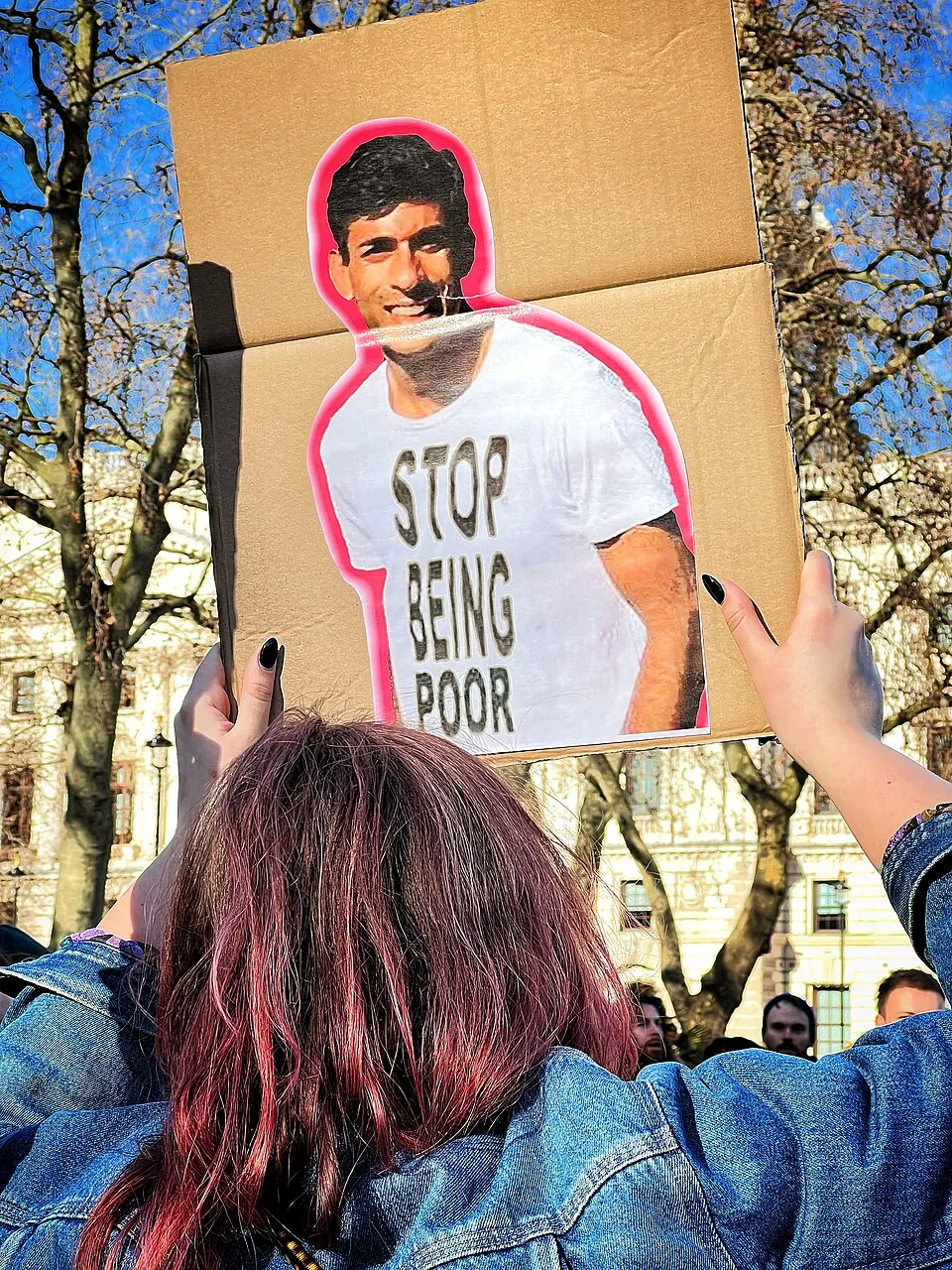
Ninety-five percent of Americans think the country is in an affordability crisis. That is not a typo. That is not a partisan number. That is basically every single person in this country, from Malibu to rural Mississippi, agreeing on something in the year 2026, which should tell you exactly how bad things have gotten. And the president's response was to tell people they were imagining it.
The Poll That Should Terrify Both Parties
The Guardian commissioned Harris Poll to take the temperature of the American economy, and the thermometer melted. Ninety-five percent of respondents said the US is suffering an affordability crisis. About half of all Americans reported trouble affording everyday necessities, meaning groceries and gas, the two things you need to, at minimum, eat and get to work.
Fifty-seven percent of those polled believe the economy is getting worse. That's up from 46% in February, before the US war in Iran sent gas prices into the stratosphere. The share who think things are improving dropped from 28% in February all the way down to 16%. Those are not gradual shifts. Those are people watching their bank accounts and drawing conclusions.
The hardest part of this poll to spin? The affordability pain cuts clean across party lines. About half of Democrats, Republicans, and independents all said they're struggling. Two-thirds of Americans, including 49% of Republicans, said they have little faith the federal government will actually fix any of this. That is a bipartisan crisis of confidence, and it has names and faces attached to it.
Republicans Are Starting to Feel It Too
For most of Trump's second term, Republicans have been the last true believers in the MAGA economic miracle. Back in February, 49% of Republicans said the economy was getting better. The Guardian's new poll puts that number at 27%. Meanwhile, the share of Republicans saying the economy is getting worse nearly doubled, jumping from 22% to 38%.
Rural Americans, the backbone of the Republican coalition, are particularly grim. Sixty-four percent of rural respondents say the economy is getting worse, up from 46% in February. They are also the most likely to say good job opportunities have evaporated over the past year and that tariffs have hurt American manufacturing jobs. That is the base of the base, and they are not happy.
This matters enormously heading into the fall midterms, where Republicans are trying to hold a narrow congressional majority. When your most loyal voters start sounding like frustrated Democrats, you have a problem that a rally and a few angry tweets cannot solve.
Gas Prices, the War, and a Peace Deal That Didn't Fix the Pump
The war in Iran is central to this whole mess. The conflict sent gas prices surging, and while the US and Iran signed a peace deal in June, prices at the pump have been painfully slow to follow Brent crude back down, as The Guardian reports. The peace deal bought a sigh of relief in financial markets. It did not buy Americans cheaper fill-ups.
Inflation is also eating wage gains alive. In May, the annual inflation rate climbed to 4.2% while average hourly earnings actually dropped 0.7% compared to the year before, according to The Guardian. Do that math: prices up, paychecks down. That is the story of why 95% of the country is pissed off, in one sentence.
About half of those polled said they're struggling to afford their debt on top of everything else, including student loans, which the Trump administration has made harder to manage through stricter repayment terms. So it's not just gas and groceries. It's the whole stack of financial obligations pressing down on people who have less real money than they did a year ago.
Trump's Whiplash Strategy: Deny It, Then Yell About It
The president's response to the affordability crisis has been, to put it charitably, incoherent. The Guardian describes it as a "whiplash reaction," which is doing a lot of polite work. Trump spent months dismissing high gas prices as not a real problem. Then, ahead of the Fourth of July celebrations marking America's 250th birthday, he and Treasury Secretary Scott Bessent demanded that oil and gas companies lower their prices immediately. So: not a problem, also please fix it now.
He also recently killed a bipartisan housing bill designed to address the affordable housing shortage, calling it of "minor importance" compared to other priorities, which apparently include pursuing unproven voter fraud claims. There is an affordable housing shortage in this country. A bipartisan bill to address it died so the president could chase ghosts.
This is not a governing strategy. This is a man trying to talk people out of their own lived experience while doing nothing to actually change it. And the polls suggest Americans, including his own voters, are no longer buying it.
Democrats Aren't Off the Hook Either
Here is where the story gets uncomfortable for the opposition party. Among independent voters who acknowledge there is an affordability crisis, more than half, 54%, told Harris Poll that neither party has a solution. Not the Republicans. Not the Democrats. Nobody.
Democrats have been trying to position themselves as the party that will actually fix cost-of-living pain heading into the midterms. Independents, the voters who decide elections, are looking at that pitch and shrugging. That is a serious strategic problem that cannot be papered over with messaging about Trump being bad. Trump being bad is already priced in. Voters want to know what you're going to do about the grocery bill.
The labor market, at least, is not collapsing. The Bureau of Labor Statistics reported an average of 111,000 new jobs added over the past three months, which is stable if not spectacular. But jobs data that doesn't show up in people's wallets is a number, not a feeling, and feelings are what drive voters to the polls.
The Dingo Take
Here's what a 95% consensus actually means in a country that cannot agree on whether the sky is blue: people are genuinely scared. Not politically scared, not tribally scared, but financially scared in the way that keeps you up at three in the morning doing arithmetic on your phone. Half the country can't comfortably afford food and gas right now. Gas and food. The floor-level requirements for human existence in a modern economy.
The Trump administration's response to this has been a masterclass in not giving a damn dressed up as giving a very big damn. Deny the problem exists, scream at oil companies on a holiday weekend, kill the housing bill, chase the fraud claims. None of that is governance. All of it is performance. And the performance is landing badly even in the rural counties that gave this administration its mandate.
The midterms are coming. Democrats have a genuine opening here, but 54% of independents saying neither party has answers is a warning, not an invitation. Showing up to an economic crisis with "well, the other guys are worse" is not a plan. The American public is not in the mood for lesser-evil arithmetic. They want someone to actually do something about the cost of a gallon of milk and a tank of gas, and whoever figures out how to say that credibly and mean it is going to have a very good November.



Comments