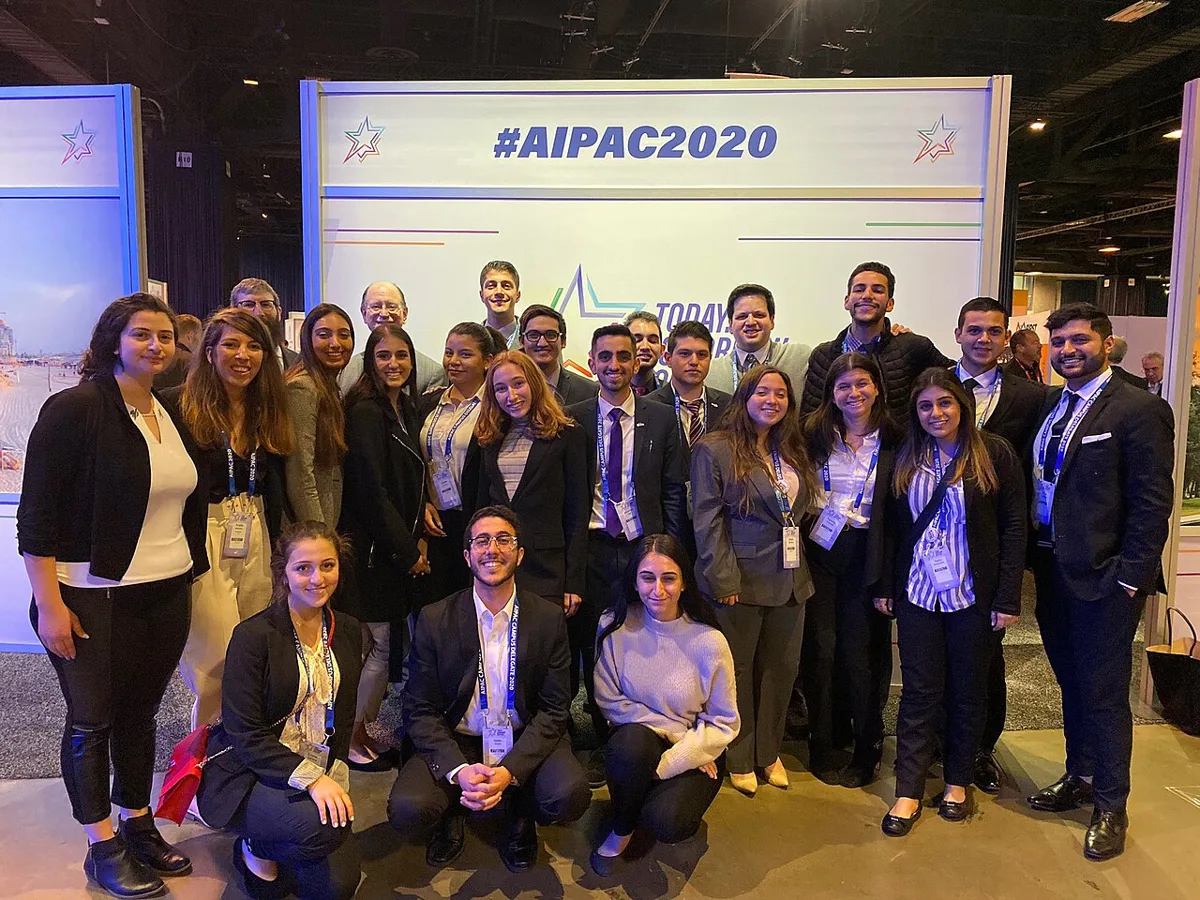
Two years ago, AIPAC poured money into Missouri's 1st Congressional District and knocked Cori Bush out of Congress. Now she's running again, AIPAC is spending again, and the political calculus may have flipped entirely. According to Axios, the left is betting that AIPAC's endorsement has become so toxic in Democratic primaries that the group's support for Rep. Wesley Bell could actually hand Bush the race.
The Sequel Nobody in D.C. Wanted
Let's set the scene. In 2024, AIPAC dropped serious money to take out Cori Bush, one of the most prominent progressive voices in Congress and a member of the Squad. It worked. Wesley Bell won the Democratic primary, effectively ending what looked like Bush's congressional career.
Except it didn't end it. Bush is back, she's running again, and according to Axios, the left is treating this rematch like a referendum on something much bigger than one congressional seat in St. Louis. They think the whole dynamic has shifted under AIPAC's feet, and they're betting Bush can ride it all the way back to the House.
AIPAC as the Kiss of Death
Here is the quote of the year, courtesy of Usamah Andrabi, a spokesperson for Justice Democrats, the left-wing group backing Bush. Axios reports he said, "Since they bought this seat last cycle, AIPAC has become a kiss of death to the politicians they support."
That is a direct shot at one of the most powerful and well-funded political operations in American politics. And the thing is, he's not just talking trash. There's a real argument behind it. Since October 7, 2023, and the subsequent Israeli military campaign in Gaza, Democratic primary voters have grown increasingly hostile to candidates seen as insufficiently critical of Israeli government policy. AIPAC's endorsement, once a straightforward signal of credibility and cash, now comes with a very different set of connotations depending on which voters you're asking.
In a Democratic primary, in 2026, in a majority-Black district where the war in Gaza has generated enormous emotional response, being the AIPAC candidate may not be the asset it once was. It may be the opposite.
What's Actually at Stake Here
This race is a pressure test for two competing theories about where the Democratic Party is heading. Bell represents a lane of politics that is establishment-friendly, well-funded, and, in AIPAC's view, reliably supportive on issues related to Israel. Bush represents something rawer, less polished, and explicitly anti-establishment. Her politics are loud and she does not apologize for them.
The broader context matters too. Anti-establishment energy is surging through Democratic primaries across the country right now. Axios frames the Bush comeback as part of this wave, and Justice Democrats are clearly treating it that way, putting resources behind her in a race they think is genuinely winnable. This isn't a symbolic protest campaign. The left thinks they can actually pull this off.
And if they do, the story will not be about Cori Bush personally. The story will be about what it means that AIPAC's money lost twice in the same seat to the same candidate.
How Wesley Bell Got Here
Bell isn't some placeholder who stumbled into office. He ran a real race in 2024, won it decisively with significant financial backing, and has been serving in Congress since. He has institutional support, name recognition now, and the backing of an organization with a demonstrated willingness to spend whatever it takes to protect its picks.
But Bell also now owns the 2024 race in a way that may complicate him. If voters in the district believe, as Justice Democrats are arguing loudly, that the seat was "bought" by outside money, that framing creates a vulnerability. Nobody likes feeling like their representative was delivered to them by a check written somewhere else. Whether that argument gains traction depends entirely on how this district's voters have processed the last two years, including a congressional term that happened under the long shadow of the Gaza war.
The Money Is Already Moving
Axios reports that AIPAC is already spending to stop Bush's comeback, which tells you everything about how seriously they take the threat. You don't spend big on a race you think you've already won. The fact that AIPAC is mobilizing again suggests they know Bush is a real contender and that the race is genuinely competitive.
On the other side, Justice Democrats are in, and the broader progressive fundraising ecosystem that rallied behind Bush in 2024 even in defeat is likely to mobilize again. This race is going to be expensive on both sides, and it is going to be watched nationally as a bellwether for whether the AIPAC model still works in the post-October-7 Democratic Party.
The Dingo Take
Here is what makes this race genuinely interesting rather than just a rematch between two politicians. AIPAC spent a fortune to solve a Cori Bush problem, and the solution is now running back at them. That's not a great return on investment. If their own spending has become the organizing principle of her comeback campaign, if the left can credibly argue that AIPAC's fingerprints on a candidate are a reason to vote against that candidate in a Democratic primary, then AIPAC has a structural problem that more spending cannot fix. You can't buy your way out of being the villain in someone else's fundraising pitch.
The broader issue is that American foreign policy, and specifically U.S. support for Israel, has cracked open a real fault line inside the Democratic Party that party leadership has mostly tried to paper over. Primaries are where that fault line shows itself. And Missouri's 1st District, a majority-Black urban district where the war in Gaza resonated deeply and personally for many voters, is exactly the kind of place where the paper stops holding.
We're not calling this race for Bush. Bell has money, incumbency, and an organization behind him. But the fact that AIPAC is back at the till, spending again on a seat they already bought once, while their opponents are framing that spending as the whole argument against Bell? That is not a comfortable position for anyone who thought this was settled in 2024. Turns out buying a congressional seat comes with a lease, not a deed.




Comments