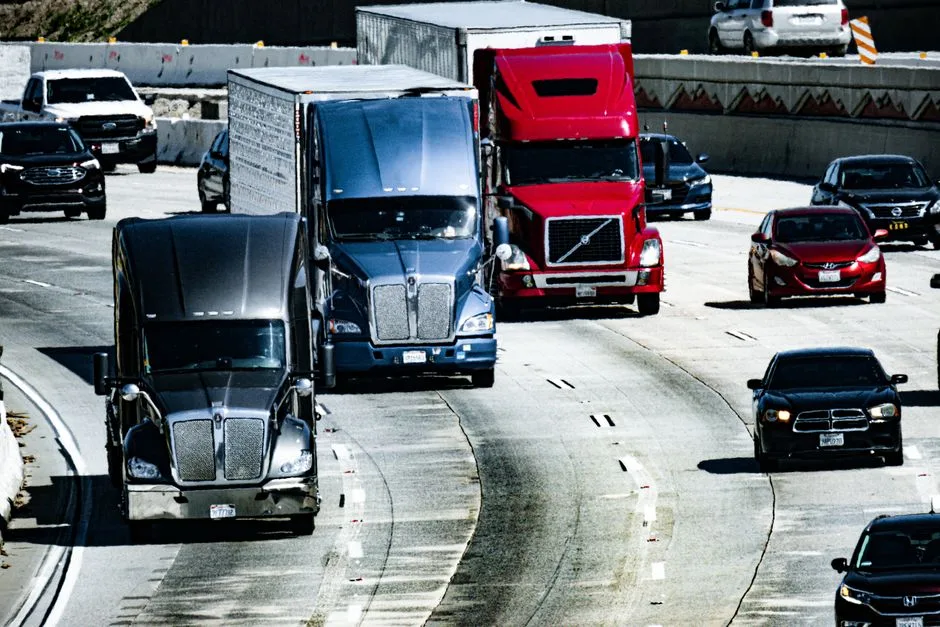
The Trump administration announced this week it wants to gut Biden-era heavy-duty truck emissions rules, promising the move will save the trucking industry roughly $12 billion and pass the savings on to American families through cheaper groceries and household goods. It's a generous framing for what is, at its core, the federal government loosening pollution controls on diesel trucks and farm equipment. But hey, who's counting particulates.
What the EPA Is Actually Proposing
Fox News Digital got the first look at the EPA press release, which means the administration was clearly going for a friendly crowd on rollout day. According to that release, the EPA wants to revise Obama and Biden-era emissions standards for heavy-duty trucks, cutting up to $6,000 off the price of each new truck and saving the industry an estimated $12 billion overall.
The proposal also targets something called DEF, which stands for Diesel Exhaust Fluid, a substance required by current rules to reduce nitrogen oxide emissions. Under existing regulations, if a truck's DEF system fails, the engine can throttle down to a crawl, sometimes as slow as five miles per hour. The new rules would replace those speed restrictions with warning alerts, letting drivers keep going until they can safely pull over for repairs.
The EPA says it would still retain nearly 90 percent of the planned NOx reductions from the 2023 rule. That framing is doing a lot of heavy lifting. Keeping 90 percent of a pollution reduction standard while loosening enforcement mechanisms and cutting warranty requirements is not the same thing as keeping the standard intact. Math exists.
The DEF Problem Is Real. The Solution Is Debatable.
Here's where the EPA isn't entirely wrong. DEF system failures are genuinely disruptive. EPA air chief Aaron Szabo told Fox News Digital that there are more than 200 possible failure codes that can trigger the limp mode restriction, potentially stranding truckers on highways or costing farmers entire days of productivity during harvests. That is a real operational problem that real people face.
But the DEF system exists because diesel trucks are some of the largest sources of nitrogen oxide pollution in the country, and NOx is directly linked to smog, respiratory disease, and cardiovascular damage. The system was designed with teeth precisely because voluntary compliance with emissions controls has a historically spotty track record in the trucking industry. Replacing automatic enforcement with a warning light is not a technical fix. It's an honor system.
Szabo argued the old rules were designed to push Americans into electric trucks by making diesel trucks unreliable and expensive. "That's what the Biden administration was doing," he told Fox News. "They were forcing people to not have choice anymore." This is the administration's preferred framing: freedom versus government overreach. It works better as a bumper sticker than as a regulatory analysis.
The Political Theatre Around This Thing
Agriculture Secretary Brooke Rollins issued a statement calling the Biden-era rules an example of the "true cost of government overreach," and saying rural communities rely on diesel engines to survive. That much is true. Diesel powers a staggering share of American agriculture and freight. No serious person disputes it.
What's notable is how neatly this announcement fits into the broader Trump deregulatory story the White House has been telling since day one. Trump's inaugural address promised to "terminate the Green New Deal, revoke the electric vehicle mandate, and unleash American energy," and this EPA proposal checks that box in a tidy way. It lets the administration claim it's fighting for truckers and farmers while quietly doing the bidding of engine manufacturers who have lobbied against these standards for years.
Also worth clocking: Fox News Digital says it reached out to the "Office of Joe Biden" for comment. Biden is a private citizen. He has not held office in over a year. That's not a reporting error, it's a bit.
Who Actually Benefits Here
The $12 billion in industry savings sounds spectacular until you ask who pockets it. The administration says the savings will be "passed on to American families through lower costs for food, household goods, and other products trucks deliver." That is not how markets work, and everyone in the room knows it.
Corporate savings do not automatically translate into consumer price cuts. They translate into improved margins, shareholder returns, and executive compensation, unless there is meaningful price competition forcing those savings downstream. The trucking and freight industry is highly concentrated. The idea that Walmart or Amazon's logistics arms will voluntarily cut prices because their diesel costs dropped is not economics, it's a press release.
The people who will most clearly and directly benefit from this proposal are truck manufacturers and large fleet operators, not the family loading up a cart at Kroger. The families living near freight corridors and distribution centers who breathe diesel exhaust every day will bear whatever additional pollution load results from loosened standards. Their savings are measured in years off their lives, not dollars off their grocery bills.
The Dingo Take
Look, nobody in Washington actually loves the limp mode problem. Stranding a trucker on an interstate or grinding a combine to a halt during harvest because of a sensor glitch is bad policy design, and if the EPA wants to fix that specific mechanical enforcement issue, there's a legitimate conversation to be had. The problem is that the administration isn't proposing a targeted fix for a flawed enforcement mechanism. It's using that legitimate grievance as the headline while quietly loosening warranty requirements, reducing compliance pressure on manufacturers, and framing the whole package as a gift to American families who will, in reality, see approximately none of the $12 billion.
This is the playbook. Find a real problem that real people experience. Attach it to a deregulatory rollback that primarily benefits industry. Dress the whole thing in consumer-friendly language and send it to your friendliest media outlet for the first look. It's worked before. It'll work again. Most people will remember the $12 billion number and forget that nitrogen oxide causes asthma attacks.
The Trump administration has now pardoned nine people convicted of tampering with diesel emissions controls, proposed gutting the truck emissions rules, and has Lee Zeldin on television talking about voters "tuning out the climate alarm." At some point this stops being deregulation and starts being a policy position on whether air quality rules should exist at all. We're getting close to that point. Breathe it in while you can.





Comments