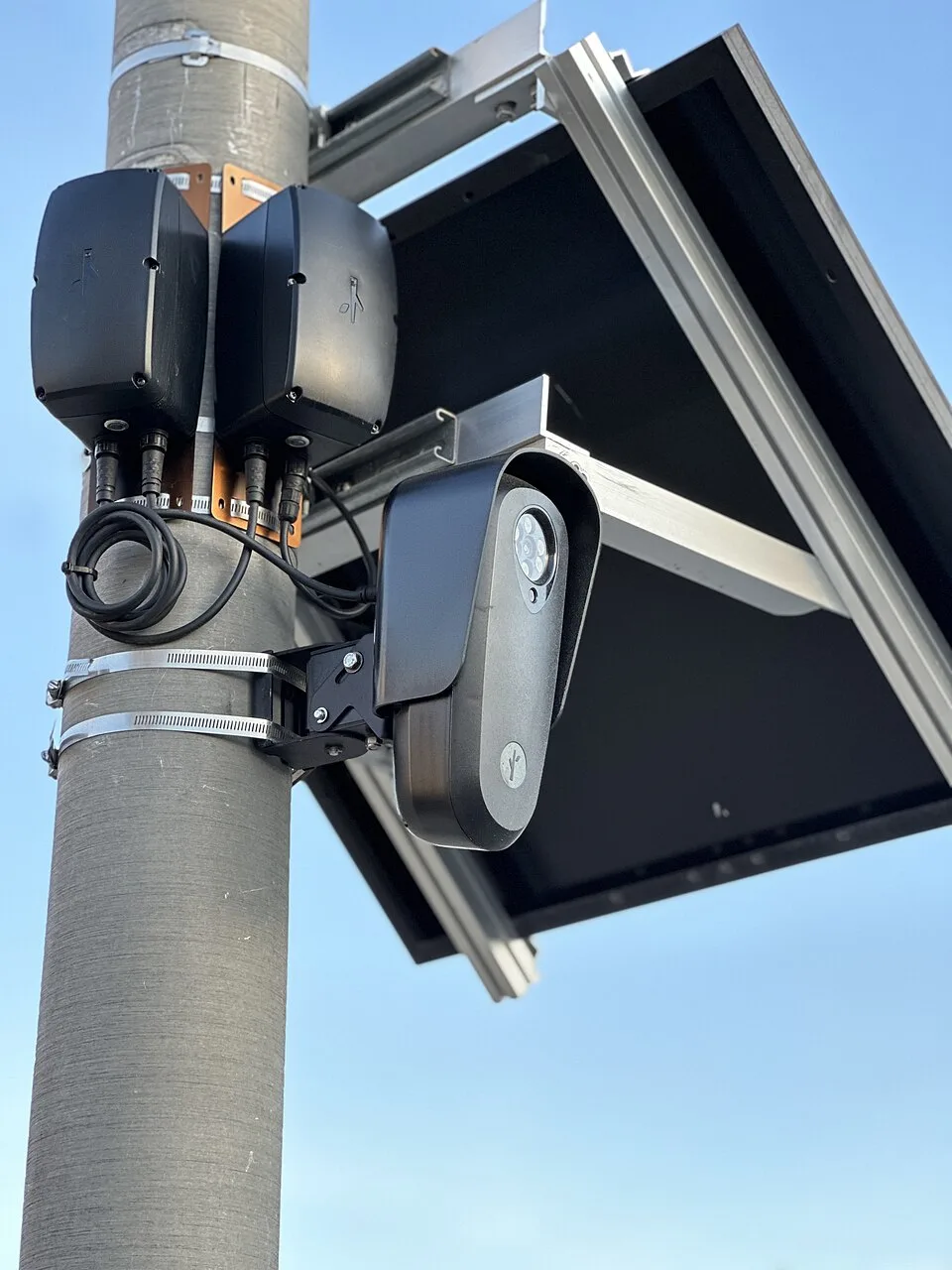
The Los Angeles Police Department is pulling the plug on its contract with Flock Safety, an Atlanta-based surveillance company that operates part of the LAPD's license plate camera network, over a very uncomfortable question: who actually owns all that data, and where has it been going? The fight comes amid mounting accusations that Flock has been quietly helping ICE track undocumented immigrants through the very cameras cities thought they controlled. Los Angeles, a sanctuary city with a mayor on record opposing exactly this kind of federal data-sharing, apparently signed a contract that left those details embarrassingly vague.
1.1 Billion Reads and Nobody Knows Who Owns Them
Here's the scale of what we're actually talking about. According to the New York Post, LAPD license plate cameras conducted 1,132,441,520 reads in 2024 alone, resulting in over 301,000 hits on stolen cars, AMBER alerts, and arrest warrants. The LAPD runs about 1,500 readers mounted in squad cars and another 160 fixed to poles, mostly on the Westside and in the San Fernando Valley.
Flock Safety accounts for only a small portion of that network. But the problem isn't the volume. The problem is that after all this time, after all those reads, after years of this company operating cameras inside one of America's largest cities, nobody apparently bothered to write down clearly who owns the footage. The department's CIO, Dean Gialamas, told the Post that the sticking point is "having very clear terms about who owns the data, what happens with the data once they collect it." You would think that was, like, paragraph one of any surveillance contract. You would be wrong.
The LAPD stops using Flock cameras as of Friday. Gialamas framed the suspension as a data rights negotiation, not a full breakup. But the timing, and the politics swirling around it, make that framing feel a little generous.
ICE, Flock, and the Accusation That Won't Go Away
Flock Safety serves roughly 5,000 law enforcement agencies across the United States. The New York Post notes the company has been accused by left-wing advocacy groups of sharing data with ICE to help track undocumented immigrants. Flock says it does not share customer data with any entity, federal or otherwise, without permission. That denial is doing a lot of heavy lifting in a very short sentence.
The phrase "without permission" is the part that should keep you up at night. Permission from whom? The vendor? The local department? A federal agency with a subpoena or a friendly ask? Anti-police activists in LA have argued that immigration authorities have already accessed the data, and a group called Stop LAPD Spying actually sued the LAPD and the City of Los Angeles when the department refused to release records about its use of Flock's AI-powered camera network.
Cities in Texas, Illinois, Wisconsin, and Michigan have already cut ties with the company. Departments in Georgia and Oklahoma are staying put, which tells you roughly everything you need to know about the political geography of this debate.
Mayor Bass Wants the Cameras But Not the Federal Snooping
Mayor Karen Bass has been threading a needle here that gets thinner by the week. She supports the LAPD's use of license plate readers as crime-fighting tools. She opposes sharing the collected data with the federal government. The Post quoted her directly from May: "I think those cameras are important, but I think that it is completely unacceptable for them to send that information then to federal officials. We do not want to see that happen."
Great position to have. Would have been even better to have it locked into the contract before the cameras went up. The Board of Police Commissioners flagged this months ago, asking the LAPD in March to produce a full report on what data Flock's scanners collect and share. The commission has since declined to approve donations of additional Flock cameras. That is the kind of slow institutional alarm-bell ringing that happens when someone has looked at a situation and thought, this is going to be a problem, but nobody with real authority moved fast enough to stop it.
The Technology Itself Is Not the Villain Here
To be fair to the cameras, and we are nothing if not fair here at The Dingo Daily, automated license plate readers are a legitimate crime-fighting tool. The New York Post reports that every U.S. police department serving a city of more than one million residents uses them, per Bureau of Justice Statistics data. New York, Chicago, Houston, LA. The technology has been deployed in Los Angeles for more than two decades.
Gialamas made the case plainly: "Just even a description of the vehicle is enough for us to be able to start looking at vehicles in the area, and then start the investigative lead process in order to solve those crimes." A billion-plus reads a year that generate 300,000 actionable hits is not nothing. These things catch car thieves and find Amber Alert kids. That is real.
The argument was never really about whether to use the cameras. It's about what happens to the data afterward, who can access it, under what legal authority, and whether the city that paid for all of it actually controls any of it. On those questions, the LAPD apparently signed on the dotted line without good answers.
The Dingo Take
Let's state the obvious: a sanctuary city deployed a surveillance vendor with known ties to ICE data requests, let that vendor operate for years on a contract that didn't clearly define data ownership, ignored the Board of Police Commissioners waving red flags about it, got sued for refusing to release public records about the whole arrangement, and is now suspending the deal while calling it a routine contract negotiation. That is not a routine contract negotiation. That is a city scrambling to get its story straight.
The deeper problem here isn't Flock Safety, who are just a company doing what surveillance companies do, which is collect data and find buyers. The problem is that local governments keep signing these deals with tech vendors without the legal infrastructure to control what they've built. You don't get to be a sanctuary city and also run an opaque surveillance network that may or may not be feeding location data about your residents to federal immigration enforcement. Pick one. You genuinely cannot have both.
And somewhere in a federal office building right now, there are people who were getting very useful information out of those cameras and are now watching LA pull the plug with mild irritation. The LAPD says it's protecting constitutional rights. Good. Start by writing contracts that actually do that before you bolt the cameras to the poles.




Comments