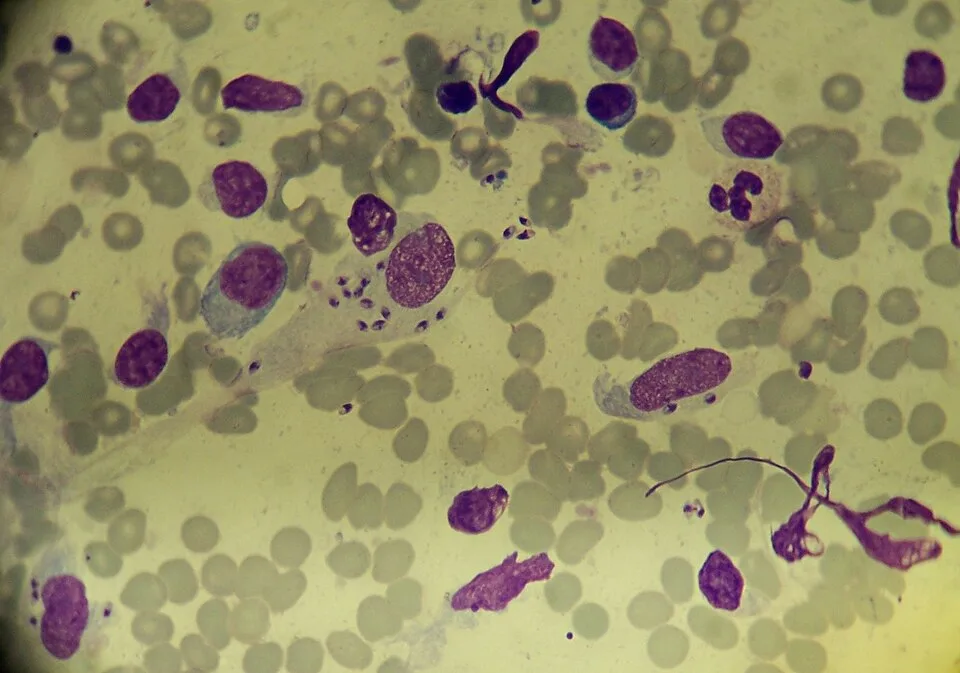
A parasitic intestinal illness has spread to 31 states, sickened at least 843 people, hospitalized 86 of them, and federal health authorities still have no idea which food is causing it. Michigan alone has reported 1,562 cases, which is more than the entire national count that the CDC is officially working with. Welcome to summer in America.
What We Know, and It Is Not Much
The CDC confirmed this week that it has received reports of 843 cyclosporiasis cases across 31 states as of Thursday, July 10. The illness is caused by a parasite called Cyclospora, and it produces exactly what you'd expect something named Cyclospora to produce: prolonged diarrhea, nausea, fatigue, and the kind of dehydration that lands people in emergency rooms.
According to NPR, the 843 official figure is almost certainly a dramatic undercount. There's a roughly six-week lag between when someone gets sick and when that illness gets reported to federal authorities. Michigan alone, just one state, had already logged 1,562 cases as of Friday. The full national picture is going to be considerably uglier than the current tally suggests.
Ohio reported 177 cases as of July 2, most of them in June. Ohio Department of Health director Dr. Bruce Vanderhoff called it a "serious illness that can cause dehydration and require people to seek emergency medical care." The ages of those infected range from 5 to 88 years old, so this thing is not discriminating.
The Source Is a Mystery and That Is the Terrifying Part
Here is where it gets maddening. The CDC says it is still trying to identify the source or sources of the outbreak. They don't know. Investigators are interviewing sick people and asking them to reconstruct everything they ate in the two-day to two-week window before symptoms appeared. If you think you can remember every meal you had over the last two weeks, go ahead and try that right now.
Previous Cyclospora outbreaks in the U.S. have been traced to raspberries, basil, cilantro, snow peas, and lettuce, according to the Food and Drug Administration. Fresh produce is the recurring villain here. In 2018, McDonald's pulled salads from restaurants across 14 states after federal officials linked them to a Cyclospora outbreak. In 2013, contaminated lettuce imported from Mexico was suspected in roughly 400 American cases.
So it's probably something fresh, probably a vegetable or herb, and it could be in practically any grocery store or restaurant in the country. That's a fun thing to sit with at dinner.
Why Summer Makes This Worse
Cyclosporiasis cases tend to spike in spring and summer, so a seasonal uptick is not unusual on its own. What is unusual, according to the CDC, is the scale. Multiple states reported a larger jump in cases over the two weeks prior to this week than they saw during the same period last year.
NPR reports that cases have been detected from California to Texas to Florida, with the hardest-hit regions appearing to be in the Midwest and Northeast. The heat of summer also means more fresh produce in circulation, more outdoor eating, more farm-to-table everything. All of which is great, right up until a parasite decides to hitchhike along for the ride.
What You Can Actually Do About It
Good news: Cyclospora dies at 158 degrees Fahrenheit. Cook your food and you're fine. The parasite does not survive heat.
Bad news: the parasite is also notoriously difficult to rinse off. Public health officials still recommend washing all fresh produce thoroughly, including herbs, but they acknowledge that washing alone is not going to reliably kill or remove the parasite the way cooking does. So your cilantro salad is more of a gamble than it used to be.
The CDC and food safety experts recommend standard hand-washing protocols before and after handling fresh produce. If someone in your household is experiencing severe diarrhea or signs of dehydration, NPR notes they should see a doctor. Cyclosporiasis is treated with antibiotics, but you have to actually go get them.
The Broader Picture Nobody Wants to Talk About
Let's be clear about the context here. The CDC is the agency that is supposed to detect, investigate, and communicate exactly this kind of outbreak. It is doing that, and the people working these cases deserve credit for doing their jobs.
But the agency has faced significant staffing cuts and budget pressures in recent years, and outbreak response capacity is not something that regenerates quickly once it's been trimmed. The six-week reporting lag is partly a structural and resource issue, not just an inevitability of epidemiology. When Michigan has nearly twice as many cases as the entire national figure the CDC is officially working with, something in the pipeline is not functioning at full speed.
Ninety days from now, we may know which food caused this. We may not. In the meantime, 843 people are the official confirmed sick, tens of thousands more are probably sick and uncounted, and the country's food supply is running a parasite it cannot yet identify.
The Dingo Take
A parasitic outbreak spanning 31 states with an unknown source is not a minor food safety story. It is a test of whether the country's public health infrastructure can still do the basic work of finding what's making people sick before half the country has already eaten it. So far, the CDC is on the case. What that case turns up is anyone's guess.
What's quietly infuriating about cyclosporiasis outbreaks is how routine they've become. This has happened before, repeatedly, with produce imported under supply chains that are vast, fast, and extremely difficult to trace once contamination has occurred. Each time, officials piece together the source after the fact, issue warnings, and the cycle starts over. No systematic fix, no structural overhaul. Just a new outbreak and another round of interviews asking people if they remember which salad they ate eleven days ago.
Wash your produce. Cook what you can. And maybe hold off on the fresh herb garnish for a few weeks, because right now, someone at the CDC is staring at a spreadsheet trying to figure out which innocent-looking vegetable is behind all of this, and they don't have an answer yet.



Comments