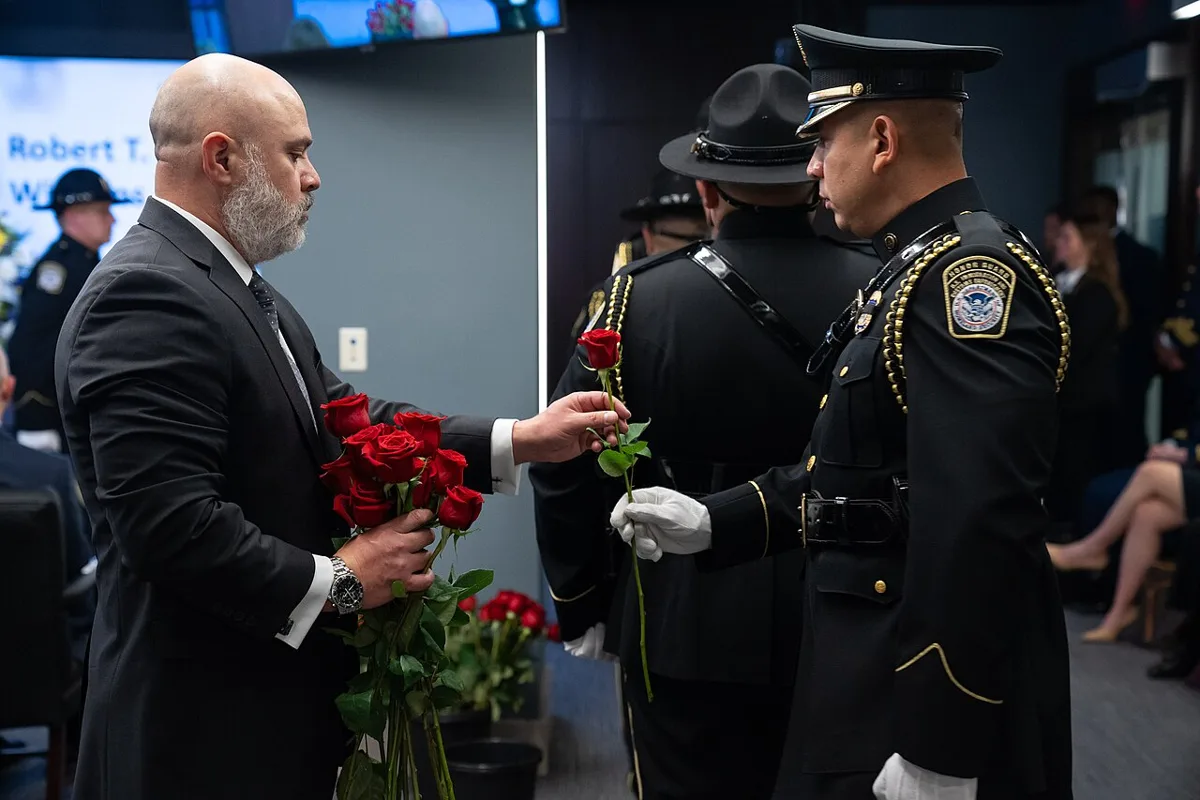
Two ICE officer-involved shootings happened in a single week. The Department of Homeland Security responded by pausing vehicle stops. Then Donald Trump got on social media, typed in all caps, and overruled the whole thing. This is the part where we're supposed to be surprised.
What Actually Happens During an ICE Traffic Stop
Here's the thing most coverage isn't bothering to explain: according to a federal special agent working in deportations who spoke to Fox News on the condition of anonymity, vehicle stops are not just common, they are the preferred method for many ICE officers. The agent called them a daily part of operations and said they are generally safer than home raids and more precise than sidewalk grabs.
The core argument is actually pretty straightforward. Home apprehensions require warrants, involve closed doors, and carry a much higher risk of someone getting hurt. Street apprehensions give targets time to spot the officers, bolt, and potentially cause a car accident trying to flee. Vehicle stops, by contrast, allow agents to control the environment, confirm they have the right person, and take custody in a relatively contained situation.
Simon Hankinson, a senior research fellow at the Heritage Foundation's Border Security and Immigration Center, backed this up in comments to Fox News. "When you have to go to someone's house, we've seen how difficult that can be if they don't want you in," he said. "You need warrants, and if you're breaking down doors, chances of somebody getting hurt are significantly higher." Hankinson has a clear ideological lane here, but the operational logic he's describing is not invented.
The 'Collateral Arrest' Problem Nobody Wants to Talk About
The most genuinely interesting part of this story is what the anonymous agent said about collateral arrests. These are apprehensions of people who were not the target of an operation but happened to be in the wrong place. Someone driving the target to work. A passenger. A bystander who gets swept up because they're undocumented and present.
The agent told Fox News that vehicle stops actually reduce collateral arrests compared to other methods. "[Vehicle stops] lead to a higher success rate in apprehending the target that they are looking for and not getting the collateral," the agent said. The collateral, they explained, is the person agents weren't looking for but encountered anyway and determined to have no legal status.
This cuts directly against the political framing from both sides. The administration has been selling aggressive enforcement as targeted and surgical. Critics have been calling it a dragnet. The reality, at least according to this account, is that vehicle stops are somewhere in between, and may actually be the least indiscriminate tool in the kit. That is worth sitting with, even if the broader deportation machine it feeds is as brutal as advertised.
Two Shootings, One Pause, Zero Hours Before Trump Reversed It
On July 13th, an ICE shooting in Biddeford, Maine killed a man who was in the vehicle agents pulled over. It was the second officer-involved shooting in a week. The Portland Press Herald captured the scene: the victim visible near the car he'd been driving when agents fired through the windshield.
After that, DHS announced a pause on vehicle stops nationwide, citing the need to assess safety protocols. That lasted roughly as long as it takes Trump to find his phone. By Wednesday, Fox News reports, he had instructed DHS to reverse the pause entirely. On social media, he wrote, in his signature caps-heavy style, that traffic stops were "one of ICE's most important and effective Crime Fighting tools" and that pausing them would be "playing right into the criminal's hands."
The anonymous agent told Fox News that Trump's reversal was a "huge" boost for morale among ICE officers. They also said, seemingly without irony, that new training on vehicle stops and how to handle dangerous situations was already being rolled out. So the message was: full speed ahead, and also, here's some safety training, good luck out there.
Harris, Maryland, and the Political Food Fight Around All of This
Kamala Harris called for an investigation into the Maine shooting this week, renewing criticism of Tom Homan's border enforcement posture. The Department of Justice, meanwhile, filed a lawsuit accusing Maryland of what it called an "active and deliberate effort" to prevent deportations of undocumented immigrants. Everyone is screaming at everyone.
Hankinson, for his part, took a swipe at immigration advocates who raised safety concerns about vehicle stops, telling Fox News that if deportations could be carried out with "100% perfect safety and security," those groups would still oppose them. He is probably right about some of those advocates. He is also using that to dismiss legitimate questions about what happened in Maine, which is a neat trick if you can get away with it.
The political reality is that these shootings are going to keep happening as long as ICE is conducting this volume of operations with this level of urgency and, by the agent's own admission, insufficient training for some officers in the field. Overruling a safety pause so you can post about it before the news cycle moves on is not a policy. It's a performance.
The Dingo Take
Let's be honest about what happened here. DHS saw two shootings in a week, made a judgment call to pump the brakes, and a president who has never once held a federal law enforcement job overruled them via social media because he didn't like how it looked. The anonymous ICE agent quoted in the Fox News piece sounds like someone who genuinely believes in what they're doing and wants to do it safely. Trump's reversal did not make their job safer. It made him look tough, which is the only metric that actually matters to this administration.
The operational case for vehicle stops is real and not particularly hard to understand. These agents are not wrong that busting down someone's door at 5 AM in front of their kids carries its own serious risks. If the choice is between methods, vehicle stops may genuinely be the least bad one. That does not mean two people are not dead. That does not mean the training is adequate. That does not mean the underlying mass deportation project is just or legal in all its applications. Tactics can be relatively rational inside a system that is doing real harm.
What nobody in this story wants to say out loud is that the volume and pace of operations is the variable that most directly determines how many of these incidents happen. More stops, done faster, with undertrained officers under political pressure to hit numbers, is a formula for more shootings. Trump can post in capital letters all he wants. That math does not care.



Comments