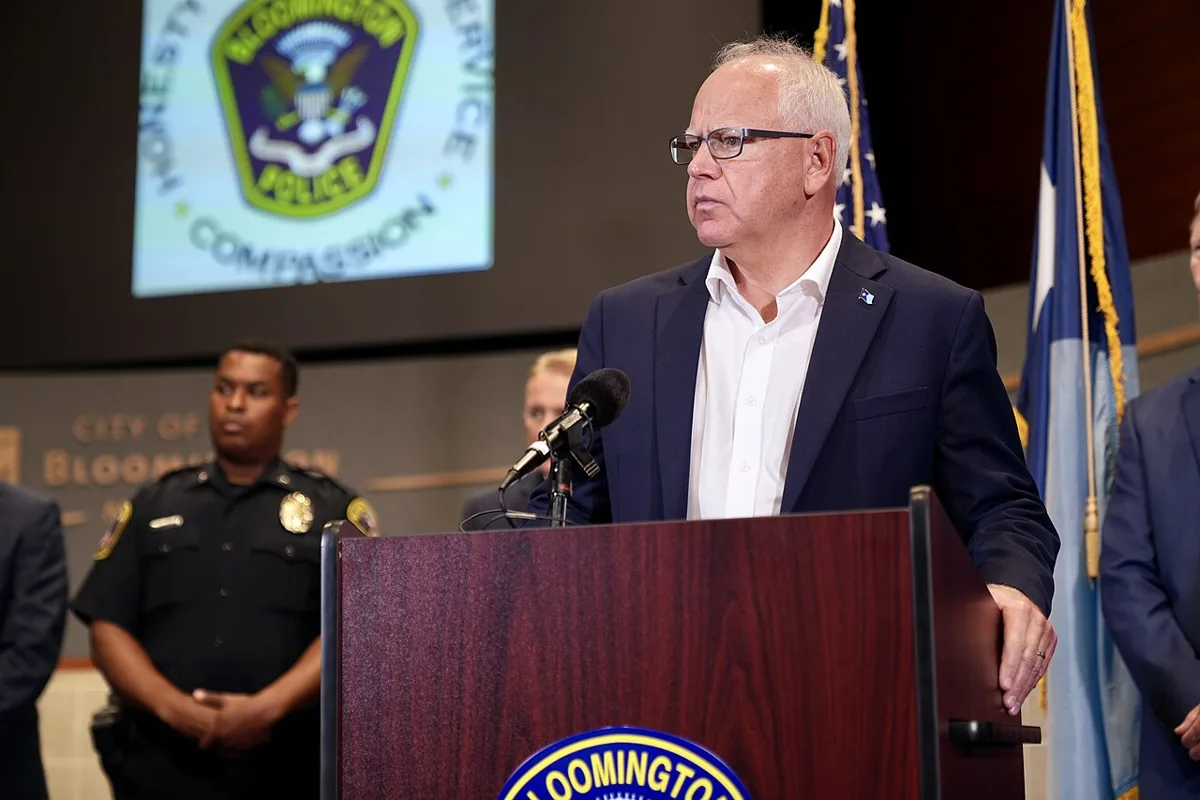
Minnesota Governor Tim Walz used his clemency powers to pardon a man convicted of repeatedly raping a 10-year-old girl, apparently in an effort to prevent his deportation. The State Department revoked the man's visa and deported him to Laos anyway. Then Walz held a press conference to defend himself, and somehow made it worse.
What Walz Actually Did Here
The Minnesota Board of Pardons granted clemency to Tou Lue Vang, 42, a Laotian national, on June 10. The board is made up of three people: Governor Walz, state Attorney General Keith Ellison, and state Chief Justice Natalie Hudson. So this wasn't something that happened to Walz or around him. He voted for it.
Vang was convicted of repeatedly raping a 10-year-old girl between 2002 and 2004. After his arrest, according to Fox News, Vang told authorities that it was 'a cultural thing... to marry and have sex with girls as young as 12.' He was facing deportation back to Laos when the board stepped in with the pardon.
Walz himself, when pressed, called Vang's crimes 'horrific.' That word choice is doing a lot of work in this story, because the next thing Walz did after calling the crimes horrific was sign the pardon paperwork.
Rubio Didn't Care About the Pardon
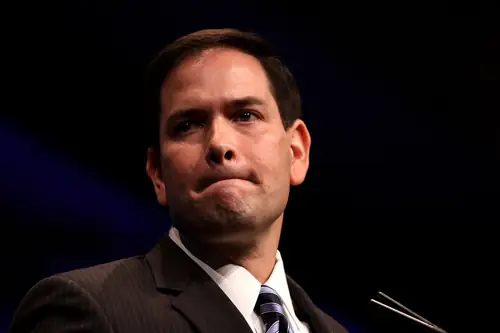
Secretary of State Marco Rubio revoked Vang's visa earlier this month, rendering the pardon essentially irrelevant. Vang has since been deported to Laos. The State Department's position, communicated with all the subtlety of a brick through a window, is that a governor's clemency power does not override federal immigration authority.
State Department Assistant Secretary Dylan Johnson told Fox News Digital: 'Governor Walz's pardon of a convicted foreign sex offender was a grave and unconscionable betrayal of the very people he is supposed to defend.' Johnson also said, in case anyone missed the point, 'Walz sides with foreign criminals. Secretary Rubio sides with the American people.'
The Department of Homeland Security had flagged the pardon at the time it was granted. DHS Acting Assistant Secretary Lauren Bis called Walz's decision 'disgusting' and said it was an example of Minnesota's sanctuary policies protecting criminal illegal aliens. Whether or not you agree with everything the Trump administration does on immigration, it is genuinely difficult to construct a counter-argument specifically about this case.
The Press Conference Defense That Somehow Made Things Worse
Walz doubled down at a Tuesday press conference, and the quotes he chose to lead with were not the ones a political strategist would recommend. 'Did that make us any safer?' he asked, referring to the deportation. 'Did that make the children that are left behind any more stable? Did it improve the idea that we can't all be judged by our worst day?'
There is a version of the criminal justice reform argument that is coherent and worth having. This was not that version. The phrase 'can't all be judged by our worst day' is a reasonable thing to say about, for example, a nonviolent drug conviction from twenty years ago. It is a genuinely strange thing to say about a man who spent two years repeatedly raping a child and then explained it as a cultural preference.
Walz's framing treated the deportation itself as the safety risk, rather than the convicted sex offender who had been living in the country. The State Department noticed this framing. The whole country noticed this framing.
The Political Fallout Is Going to Be Significant
Walz was the Democratic vice-presidential nominee in 2024. He ran on a platform that included, among other things, being a normal and trustworthy midwestern governor. The pardon of a convicted child rapist facing deportation is not a story that fits neatly into that narrative, and the press conference defense is not helping.
The Trump administration has been aggressive about using immigration enforcement as a political wedge, and not always honestly. But the Vang case gives them an exceptionally clean target. There is no sympathetic complexity to lean on here, no bureaucratic error to point to, no victim of circumstance to humanize. Walz voted to pardon a man convicted of raping a 10-year-old, and then went on camera to suggest the real problem was that the man got sent home.
Democrats who have been trying to rebuild trust with voters on public safety issues are going to find this story being replayed for a very long time.
The Dingo Take
Look, we are not going to pretend this story is complicated, because it isn't. Tim Walz, along with two other elected officials, signed off on a pardon for a man convicted of one of the worst crimes a person can commit, specifically timed to prevent his removal from the country. When that didn't work, Walz went to a microphone and suggested that the real question worth asking is whether we're being too judgmental. The answer to that question, in this case, is no. We are not being too judgmental.
The Trump administration is going to weaponize this story, and they are going to be largely correct to do so. That's a brutal thing to have to type. The State Department's response was nakedly political and punched well beyond what the situation required in terms of rhetoric. But the core fact underneath all the spin is that Walz made a genuinely indefensible decision and then failed completely to defend it. When Marco Rubio is the adult in the room on a criminal justice story, something has gone badly wrong.
Democrats keep asking why working-class voters don't trust them on crime and safety. This is the kind of story that answers that question without needing a follow-up. It doesn't matter that the Trump administration has its own grotesque record on who it protects and who it punishes. Voters don't grade on a curve, and 'the other guys are worse' has never once won an election. Walz handed his opponents a gift, went on television to explain why it was actually fine, and then left everyone else in his party to clean it up.


Comments