Donald Trump is imposing 50% tariffs on a sweeping range of Canadian goods, and the justifications he's offering are so varied, so contradictory, and so deeply unhinged that it's genuinely hard to know where to start. Hockey equipment. Milk. Wildfire smoke. The 51st state thing. It's all in there.
What's Actually Getting Hit
The tariffs, which Trump signed via three proclamations on Monday under Section 338 of the 1930 Trade Act, are set to take effect on August 19. According to CBS News, the list of targeted goods includes Canadian beer, wine, liquor, milk, hockey equipment, electronics, honey, flower bulbs, down feathers, plywood, cowhides, and jewelry. That is not a typo. Flower bulbs.
The Guardian reports that energy products, fish, critical minerals, and potash are excluded. Everything else is fair game, including goods that flow across the border under the United States-Mexico-Canada Agreement, the trade deal Trump himself signed during his first term. A senior administration official told reporters Monday that USMCA protections will not shield Canadian goods from the new tariffs. So yes, Trump is unilaterally blowing past a deal he negotiated, signed, and bragged about.
The Justifications, Such As They Are
Here is where things get genuinely surreal. The White House is offering at least three separate rationales for this action, and they do not entirely agree with each other.
The official Trump administration line, per U.S. Trade Representative Jamieson Greer's statement reported by CBS News, is that Canada has engaged in "unreasonable, unequal, and discriminatory actions" by retaliating against last year's American tariffs. Canada hit U.S. auto imports with a 25% tariff starting in April 2025, and most Canadian provinces pulled American alcohol off shelves entirely. The White House says this retaliation is unacceptable. To be clear: the U.S. imposed tariffs on Canada, Canada responded with retaliatory tariffs, and the U.S. is now imposing more tariffs in response to the retaliation it caused. This is what the administration is describing as Canada being the problem.
Then there's the cheese angle. Trump's proclamations, as The Guardian reports, argue that Canada discriminates against U.S. cheese relative to Europe on dairy products. This is a longstanding American trade grievance with Canada and is at least a coherent argument, even if using it to justify 50% tariffs is a bit like responding to a parking ticket by setting the car on fire.
And then there is the wildfire smoke rationale, which deserves its own section.
Yes, He's Blaming Canada for Its Wildfires
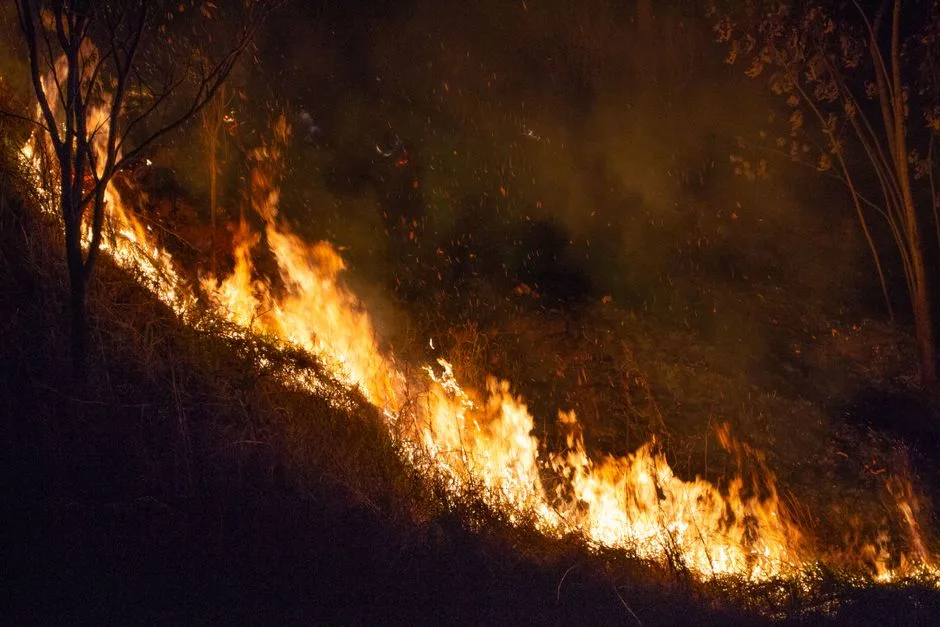
Last week, Trump threatened tariffs because smoke from Canadian wildfires has been drifting into the United States. On Truth Social, as The Guardian reports, he wrote: "We are holding Canada responsible for the fact that they are not properly maintaining their Forests, and Brush therein, and the United States is being unnecessarily invaded by filthy, polluted, and unhealthy air, the quality of which is dangerous, and totally unacceptable!"
This is the President of the United States threatening economic warfare against a sovereign nation because weather happened. The wildfires are a genuine crisis. The smoke is a real problem for Americans living near the border. None of that changes the fact that Canada does not control its wildfires any more than Florida controls hurricanes. When a hurricane hits Alabama, Canada does not invoice the United States.
The senior administration official told reporters Monday that Trump has also requested his aides look into additional tariffs on Canada because of the wildfire smoke. So this may not even be the final round. The administration official insisted on anonymity during the call previewing the president's actions, which is its own tell.
Carney Watched the World Cup Final With Trump the Day Before
Canadian Prime Minister Mark Carney watched Sunday's World Cup final with Trump. That was yesterday. The tariffs dropped Monday morning. Whatever they talked about in between the goals, it clearly did not go well.
The Guardian reports that Trump told reporters after the match that he had raised the wildfire issue directly with Carney: "I told him, I mean, 'You got to stop these fires from coming in and, you know, poisoning our air. Our air has been poisoned.'" Carney, for his part, won the Canadian premiership last year on a platform built explicitly around standing up to Trump. He has been consistent on this. He has not blinked. And now he is dealing with 50% tariffs on hockey equipment the morning after watching soccer with the guy.
CBS News reached out to Carney's office for comment. It is safe to assume his office has thoughts.
The Legal Mechanism and the Democrats Who Saw This Coming
Trump invoked Section 338 of the Tariff Act of 1930 to sign these proclamations, The Guardian reports. That section gives the president broad unilateral authority to impose tariffs on countries deemed to be discriminating against American commerce. It is one of several Depression-era trade laws that the Trump administration has used to sidestep Congress and impose tariffs without a vote.
Several Democratic lawmakers proposed repealing Section 338 last year, specifically because, as The Guardian notes, they argued Trump could use it to destabilize the economy. Republicans blocked those efforts. Those lawmakers were correct. The section is now being used to tariff flower bulbs in response to wildfire smoke. The administration official previewing the action told reporters that this does not mean the U.S. is entering a trade war with Canada, and that the administration remains open to negotiations. The tariffs take effect in 30 days.
The Dingo Take
Let's be precise about what just happened. The United States imposed tariffs on Canada. Canada retaliated, as countries do. The United States is now punishing Canada for retaliating against the tariffs the United States imposed. The official position of the White House is that Canada is the aggressor in this situation. That is the argument. That is what Jamieson Greer put his name on in a public statement.
And layered on top of that circular absurdity is the wildfire rationale, which is not a trade policy argument, it is a grievance. Wildfires do not discriminate. Canada is not sending smoke across the border as a negotiating tactic. Treating a climate disaster like a hostile act and threatening economic consequences for it is not a governing philosophy, it is a tantrum with a pen and a proclamation.
The tariffs hit August 19. Canada will almost certainly retaliate again, because it has to, because that is what countries do when you hit them with 50% tariffs on milk and hockey equipment. Then the White House will hold a background briefing to explain that Canada is, once again, being very unfair. Flower bulbs will be more expensive. Nobody will be held accountable. The 1930 Trade Act will soldier on. Mark Carney will give a press conference. And Trump will post something on Truth Social about forests.



Comments