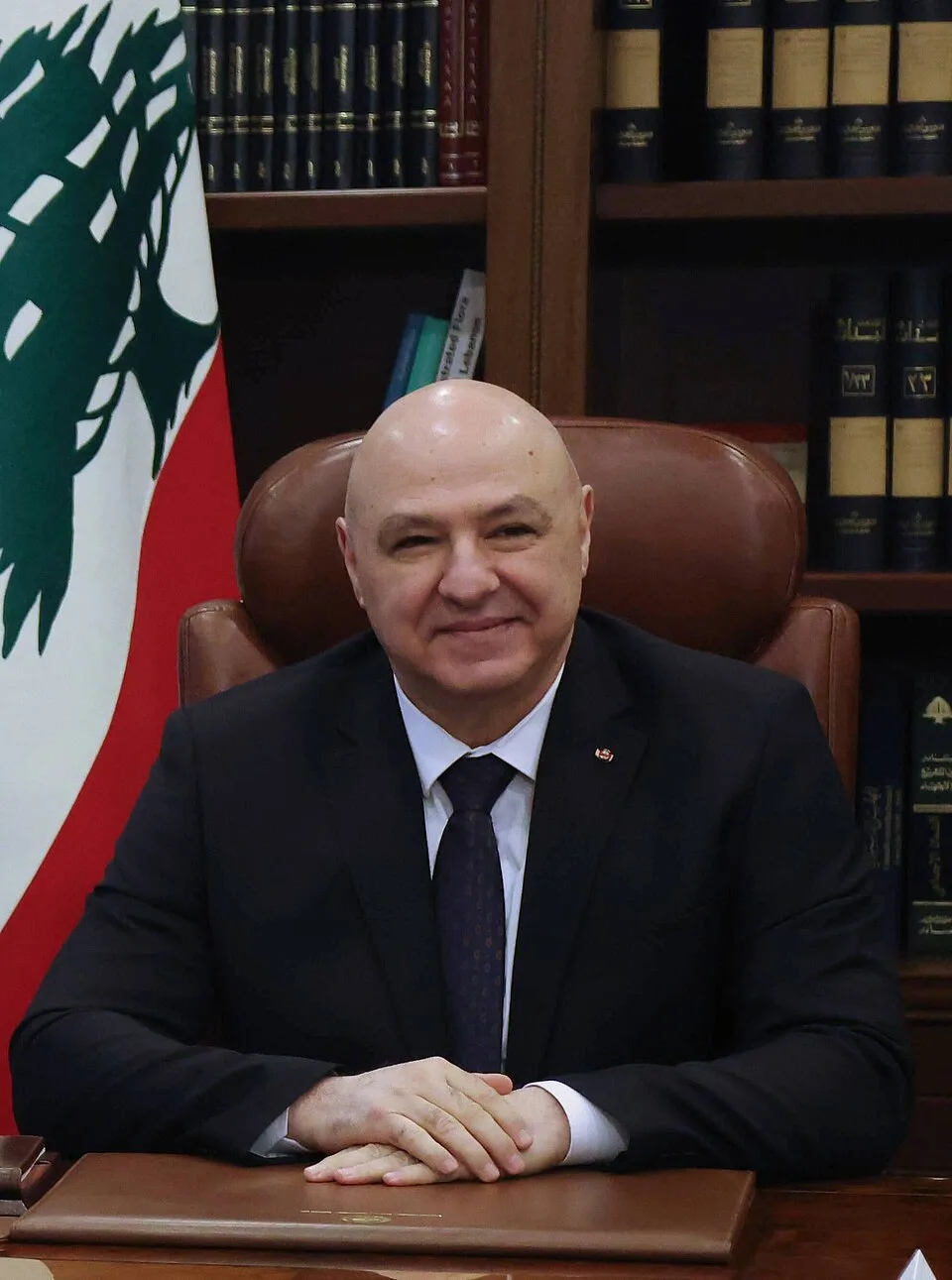
No Lebanese president has walked into the White House since 2009. That drought ends Tuesday, when Joseph Aoun sits down with Donald Trump in the Oval Office while Israeli troops begin pulling back from Lebanese territory for the first time under a U.S.-brokered deal. There is a lot riding on a meeting that most Americans will scroll right past.
Seventeen Years Is a Long Time to Wait for a Phone Call Back
According to Axios, Aoun is the first Lebanese head of state to visit the White House since 2009. Let that sit for a second. Two terms of Obama, one chaotic term of Trump, four years of Biden, and now back to Trump again, all without Lebanon's president getting so much as an Oval Office handshake. That is how thoroughly the United States had written off Lebanese governance as a lost cause.
Aoun wants three things from this meeting, per Axios: political support from Trump personally, military assistance for the Lebanese Armed Forces, and U.S. pressure on Benjamin Netanyahu to keep Israeli withdrawal moving at a pace that doesn't let the whole deal quietly collapse. That last one is where it gets interesting, because asking Trump to pressure Netanyahu is roughly like asking someone to pressure their most enthusiastic yes-man.
What the Trump Administration Is Actually Trying to Do Here
The administration's goals are not subtle, as Axios reports. Strengthen Aoun. Isolate Hezbollah. Push toward an Israeli-Lebanese peace agreement that would be a genuine foreign policy trophy Trump could point to. That is the three-part play, and each piece depends on the others holding together.
Strengthening Aoun means giving him enough credibility at home to actually govern a country that has spent years being functionally run by Hezbollah's parallel state. Military aid to the Lebanese Armed Forces is part of that, giving the official military enough teeth that it doesn't just stand aside whenever Hezbollah decides to flex. It is a strategy the U.S. has tried in various forms before with decidedly mixed results, but the post-October 7 regional reshuffling has created an opening that did not exist two years ago.
Israel Is Actually Withdrawing, Which Is Not Nothing
Here is the part that deserves more attention than it is getting. Axios reports that the Israeli military has begun its first withdrawal from Lebanon under this U.S.-brokered agreement. An actual, physical pullback of Israeli forces from Lebanese territory. In the current Middle East, that counts as remarkable.
The withdrawal is described as gradual, which is doing a lot of work as a word. Gradual can mean methodical and real. It can also mean slow enough to become permanent stalling if the political will drains away. That is precisely why Aoun wants Trump to keep pressure on Netanyahu, because without someone holding the Netanyahu government's feet to the fire, gradual has a way of becoming indefinite.
Hezbollah's Awkward Position Right Now
Hezbollah is not sending a representative to this meeting, for obvious reasons, but they are very much the subject of it. The entire architecture of what the Trump administration is building here is designed around their isolation. A functioning Lebanese state with a real military and a president who has White House backing is the antithesis of what Hezbollah needs to maintain its grip.
The group has taken serious hits since October 7, losing senior leadership and military capacity in ways that would have seemed impossible to predict three years ago. That does not mean they are finished. Hezbollah has survived worse and adapted. But the window for actually reorganizing Lebanese political power away from their orbit may be wider right now than it has been in decades, which is what makes this meeting more than just a photo op.
The Piece That Could Blow the Whole Thing Up
The Israeli-Lebanese peace agreement the Trump team is pushing toward would be genuinely historic. It would also require Netanyahu to make commitments that are politically difficult at home, where his coalition includes members who view any concession on territory as betrayal.
Trump has shown he can move Netanyahu when he wants to. He has also shown he can completely lose interest in a diplomatic process the moment it stops generating good press for him. The gap between those two versions of Trump is where Lebanese diplomatic hopes tend to go to die. Aoun is gambling that Tuesday's meeting produces enough momentum to keep the withdrawal moving and the peace talks alive. It is not a crazy bet. It is just a bet.
The Dingo Take
Look, the United States has spent most of the last two decades either bombing things in the Middle East or pretending the region would sort itself out if we just stopped paying attention. A genuine diplomatic opening, Israeli forces actually withdrawing, a Lebanese president at the White House for the first time in seventeen years, this is the kind of thing that would be celebrated loudly if it were happening under different circumstances with a different administration. It is worth paying attention to precisely because it is real.
The cynical read is that Trump wants a peace deal trophy and Aoun needs a lifeline, and those two needs have temporarily aligned in a way that might produce something useful before they stop aligning. The cynical read is probably also the accurate one. Diplomacy built on mutual self-interest still counts as diplomacy. Some of the most durable agreements in history were made by people who mostly wanted good press.
What would actually be damning is if this meeting produces a warm handshake, a joint statement full of warm language about partnership and stability, and then absolutely nothing from the Netanyahu government on the pace of withdrawal. That is the failure mode here. Not a blow-up, just a slow fade while everyone moves on to the next news cycle. Aoun knows it. That is why he is asking Trump directly to keep the pressure on. Whether Trump stays interested long enough to actually do that is the whole ballgame.



Comments