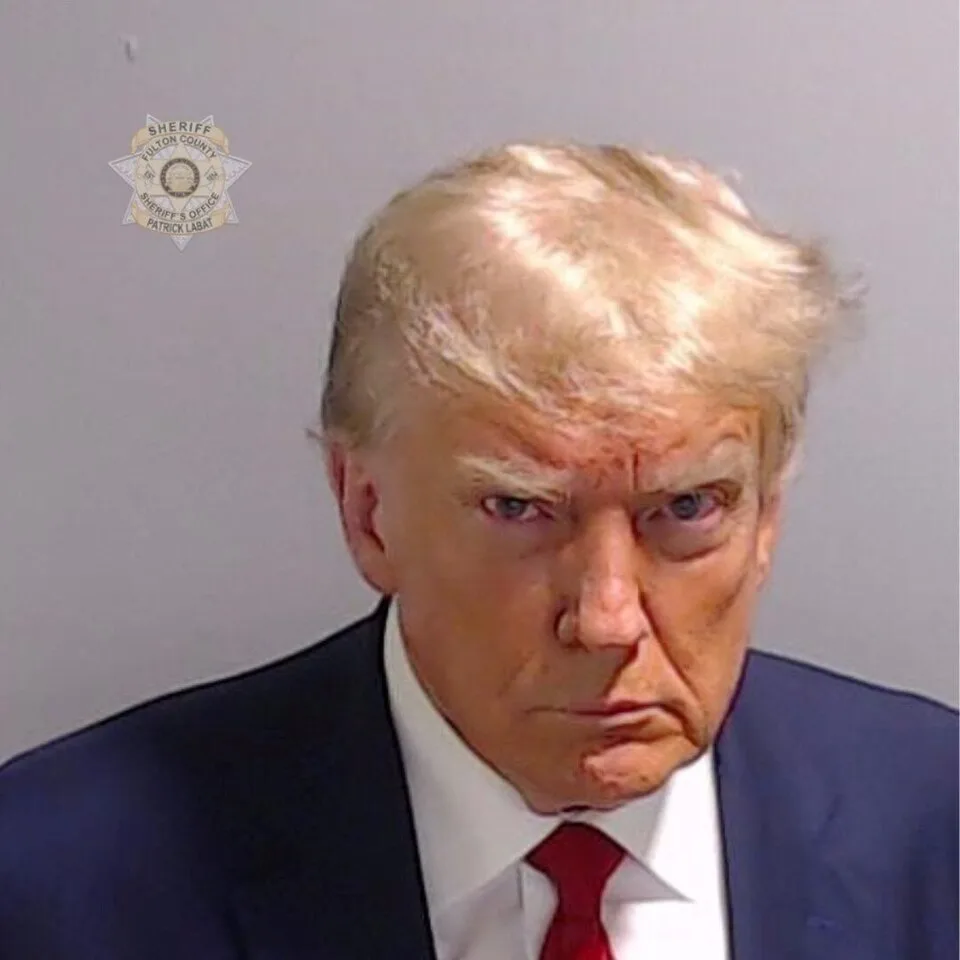
Donald Trump made an estimated $2.2 billion during the first year of his second term as President of the United States. That sentence is not from a political attack ad. It is from a Pulitzer Prize-winning investigation by The New York Times. Let that number sit with you for a moment.
A Billion Here, A Billion There
According to NPR's Terry Gross interview with New York Times reporter Eric Lipton, whose investigative work on Trump's conflicts of interest just won the Pulitzer Prize, Trump raked in more than $1 billion from cryptocurrency alone in 2025. One billion dollars. From crypto. While serving as the president who sets federal crypto policy.
The remaining $1.2 billion came from other sources that Lipton's reporting has tracked across the first year of Trump's second term. The full picture, as NPR reports, is an estimated $2.2 billion in personal earnings while Trump simultaneously held the most powerful regulatory and policy-making position in the country. In a functioning oversight environment, this would be the story that consumed Washington for months. Instead it required a Pulitzer to get people's attention.
This is not a story about a blind trust or some technical bookkeeping question. This is a story about the sitting president of the United States generating nine-figure crypto profits during the same period his administration was actively shaping the regulatory future of the crypto industry.
The Crypto Question Nobody in Power Is Asking
More than $1 billion from crypto is a specific and staggering number, and it demands a specific question: what exactly was Trump selling, and who was buying it, and did any of those buyers have business before his administration? These are not trick questions. They are the foundational questions of corruption law.
Trump launched his own meme coin earlier in his presidency, a move that drew some criticism and then largely disappeared from the news cycle. But Lipton's investigation, as NPR reports it, is looking at the broader picture of how a sitting president transforms the power and prestige of his office into personal financial gain through the crypto space. The mechanics matter enormously here, because different mechanisms carry different legal and ethical weight. What we know for certain is the outcome: over a billion dollars flowed toward Trump from crypto in year one.
And the federal agencies that might normally investigate this kind of thing? The ones with the legal mandate to scrutinize conflicts of interest at the highest levels of government? Those agencies are currently staffed, defunded, or restructured by the administration of the man they would theoretically be investigating. A coincidence so convenient it would get laughed out of a screenplay.
Swing Voters in Pennsylvania Have Made Their Peace With It
NPR's reporting notes something almost more disturbing than the dollar figure itself: Pennsylvania swing voters, when confronted with news of Trump's earnings, largely said they don't care. This tracks with a phenomenon political scientists have been writing about for years and normal people have been screaming about for months. The complete decoupling of economic populist grievance from any expectation that the guy you voted for won't personally loot the country.
Think about the pitch. Trump ran, in part, on the idea that he was a successful businessman who couldn't be bought because he was already rich. The implication was that he'd fight for regular people instead of enriching himself at their expense. He is now, by his own administration's tacit admission through silence, enriching himself to the tune of $2.2 billion in twelve months. And the voters who were supposed to be protected by his pre-existing wealth have apparently filed this under "not my problem."
That is a political failure of almost incomprehensible scale. Not just Trump's failure, but the failure of every institution that was supposed to make this kind of brazen self-enrichment impossible.
What It Takes to Get Anyone to Pay Attention
The fact that Eric Lipton's investigation required a Pulitzer Prize to break through the noise is its own damning data point. Lipton is one of the best investigative reporters in the country at one of the best-resourced newsrooms in the world, and it took the journalism profession's highest honor to push this story into a wider NPR audience conversation. That's not a knock on Lipton. That's an indictment of the entire media and political ecosystem that should have been screaming about this since day one.
Conflicts of interest at the presidential level used to be the kind of thing that ended careers and launched congressional hearings. There is a direct line from the historical norm of presidents placing assets in blind trusts to the current situation, where that norm has been so thoroughly obliterated that a $2.2 billion personal payday during year one of a presidency gets a Pulitzer investigation rather than a special prosecutor. Both things can be good. Only one of them should be sufficient.
The Dingo Take
Two point two billion dollars. In one year. While president. If any Democrat had managed to pull off a fraction of this, the Republican Party would have shut down the government, launched twelve concurrent investigations, named a select committee, and produced a documentary on Fox News within the first three months. The current Republican Party's response to Trump doing it in real time has been approximately nothing.
Lipton's Pulitzer is well-deserved, and the NPR interview gives his findings the serious treatment they require. But the story underneath the story is that journalism doing its job and doing it brilliantly is no longer sufficient to produce accountability. The reporting exists. The numbers are documented. Swing voters in Pennsylvania have been told and have shrugged. The oversight bodies are captured. And the president is $2.2 billion richer than he was when he took the oath.
At some point the question stops being "how is Trump getting away with this" and starts being "what exactly is the country that allows this." Lipton can write that story. He's already writing it. The harder question is whether anyone with actual power over the situation is reading it.




Comments