U.S. intelligence is warning that Vladimir Putin may launch an attack on a NATO-allied country as early as this fall, according to the Wall Street Journal. The attack could range from a cyberoffensive to an actual land invasion. The punchline, if you can call it that, is that America has burned through so many of its critical munitions arming Ukraine and fighting Iran that it may not have enough left to do much about it.
What the Intelligence Actually Says
The assessment, described by U.S. officials to the Wall Street Journal, puts the window for a potential Russian move against a NATO member anywhere between this fall and 2029. That is not a narrow window. It is, however, a real one, and the fact that American intelligence is circulating it as a serious possibility is the part worth sitting with.
For years, the working assumption inside Western governments was that Russia would never poke the NATO bear while it was bleeding out in Ukraine. That assumption, according to the Journal's reporting, has been quietly revised. Officials now believe Putin may be bold enough, or desperate enough, to test the alliance anyway.
The goal, as Heather Conley of the American Enterprise Institute explained to the Journal, has always been the same: crack NATO's credibility, and drive a wedge between the United States and its allies. 'The question mark is how the United States would respond in that case,' Conley said. That question mark is doing a lot of heavy lifting right now.
Putin Is Under Pressure and That Makes Him More Dangerous
Here is a thing that is easy to forget: cornered, humiliated leaders with nuclear weapons and nothing left to lose are not known for making cautious, measured decisions. Putin is watching Ukrainian drones pick apart his oil infrastructure. His forces have suffered staggering casualties and have slowed to a crawl on the front lines. At home, the pressure to produce some kind of decisive victory is immense.
Russia has already been road-testing NATO's tolerance for provocation. Russian missiles have landed in Poland. Drones have flown over Romania. Both are NATO members. Both times, the alliance essentially exhaled, called it an accident or an aberration, and moved on. Putin noticed.
The New York Post notes that a potential attack could be limited in scope, a cyberattack, a border incursion, something designed to create a crisis rather than start a full-scale war. The point is not necessarily to win territory. The point is to force a moment where the United States either shows up or it doesn't.
About Those Munitions
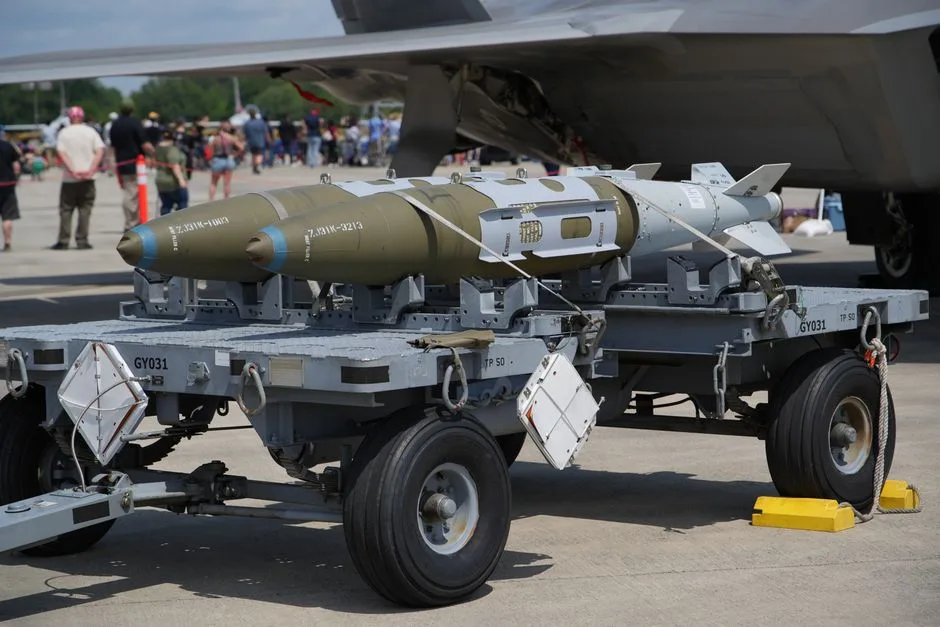
So here is the part that should make your stomach drop. The Wall Street Journal reports that U.S. stockpiles of critical weapons systems are seriously depleted. We are talking about long-range Precision Strike Missiles, Army Tactical Missile Systems, and short-range Stinger surface-to-air missiles. The kind of inventory you would want to have on hand if, say, you needed to respond to a Russian military incursion into allied territory.
How did we get here? The U.S. has been shipping weapons to Ukraine and running down its own stocks fighting Iran. That is not a criticism of either of those decisions in isolation. But the cumulative result is that at the precise moment American intelligence is warning about a potential Russian move against NATO, the United States is sitting on an emptier shelf than it should be.
This is the defense-spending chickens coming home to roost. For years, American politicians across both parties treated military readiness as a budget line to quietly negotiate down between the fights everyone actually cared about. Now the bill is arriving.
What a NATO Attack Would Actually Mean
Article 5 of the NATO charter is the whole thing. It is the foundational promise that an attack on one member is an attack on all. It has never been invoked for a full military response in the alliance's 77-year history. Putin's bet, if the intelligence assessment is right, is that he can find an action ambiguous enough, or limited enough, that the United States either hesitates to invoke it or simply lacks the political will to follow through.
That is not a crazy bet given the current political moment in Washington. The Trump administration has spent years signaling open contempt for NATO commitments, floating the idea that allies who don't meet spending targets shouldn't expect American protection. Putin has been listening to every word of that.
A NATO ally getting hit this fall, or next year, or in 2029, and the U.S. response being slow, weak, or nonexistent, would effectively end the alliance as a credible deterrent. That is the actual stakes. Not just territory. The entire post-World War II security architecture that has kept great-power war in Europe off the table for eight decades.
The Dingo Take
You are supposed to believe this is fine. That the warnings are precautionary, that the intelligence community hedges, that fall comes and goes and nothing happens and everyone breathes out. That is possible. It has happened before. But the specific combination of factors in play right now, a desperate and aggressive Putin, a depleted U.S. munitions stockpile, and an American administration that has spent years undermining NATO's credibility with its own rhetoric, is not a normal risk profile. This is not the usual background hum of geopolitical tension.
The United States helped burn through its own deterrence capability. It armed Ukraine, which was the right thing to do. It got pulled into conflict with Iran. And somewhere in the process, nobody adequately refilled the shelves. Now the Wall Street Journal is publishing a story about U.S. officials warning that Russia might call NATO's bluff this fall, and the quiet subtext of that story is that we might not be ready to answer.
Putin has been running this play his entire career. Probe, provoke, wait for hesitation, exploit it. He didn't invade Georgia expecting no response and get one. He didn't invade Crimea expecting no response and get one. At what point does the pattern register? The whole premise of deterrence is that the other side believes you will actually do something. Right now, there are serious people inside the U.S. government who are not sure we could, even if we wanted to.



Comments