
Ukraine sent somewhere in the neighborhood of 600 drones toward Moscow overnight Sunday, in what is shaping up to be one of Kyiv's largest aerial attacks of the entire war. At least six people are dead inside Russia, a Wildberries warehouse is a smoldering ruin, and the Kremlin is left explaining to its citizens why the war they were promised would be over in days is now, somehow, setting their retail warehouses on fire four and a half years later.
The Numbers Are Staggering
Russia's Ministry of Defense claims it destroyed 822 Ukrainian drones overnight. Let that sink in. Not repelled a couple dozen. Not swatted away a modest swarm. Eight hundred and twenty-two drones, according to the Russians themselves, and some still got through.
Moscow Mayor Sergei Sobyanin confirmed that around 600 of those drones were tracked heading directly toward the Russian capital, with a third taken down over the Moscow region itself. So even by Russia's own triumphant press release math, hundreds of Ukrainian drones were flying toward the seat of Putin's power on Sunday morning. That is not a harassment campaign. That is a statement.
According to NPR, local Moscow region governor Andrey Vorobyov confirmed that an 83-year-old man was killed when a drone struck a private home. An elderly civilian dead in his own house, inside Russia, from a Ukrainian weapon. That is the war coming home in the most visceral way possible.
Wildberries Is Having a Very Bad Year
Here is a detail that sounds almost satirical but is completely real: Ukraine has made a deliberate habit of bombing Wildberries depots. Wildberries is Russia's answer to Amazon, a sprawling e-commerce giant beloved by ordinary Russians who use it to order everything from shoes to kitchen appliances. Ukraine has been setting its warehouses on fire with drones, and Sunday was no exception.
A Ukrainian drone attack sparked a major blaze at a Wildberries facility in the town of Podolsk, with images circulating in Russian media showing thick columns of black smoke rising over the town. NPR reports that Ukraine has burned billions of dollars' worth of merchandise across multiple Wildberries strikes this year.
The strategic logic is brutal and straightforward. You cannot hide a land war in Ukraine from Russian civilians forever. But when their online shopping orders stop arriving because the warehouse burned down, suddenly the war becomes very, very real. Kyiv has figured this out, and they are leaning into it hard.
Rostov Got Hit Too, and It Was Worse
While Moscow grabbed the headlines, the Rostov region in southwestern Russia absorbed a punishing attack of its own. More than 150 drones hit three towns, killing five people, according to local governor Yury Slyusar. Several homes were damaged, a railway station was struck, and a forest fire broke out.
Five dead civilians in a single regional strike is not a footnote. Five families in Russia woke up Sunday to the war that their government spent years insisting was a contained special military operation unfolding safely somewhere far away. It is not far away. It is burning down the railway station.
Russia Hit Back, Because of Course It Did
None of this happened in a vacuum. While Ukraine was launching its record drone campaign, Russia was doing what Russia does: targeting Ukrainian cities with no particular concern for who lives in them.
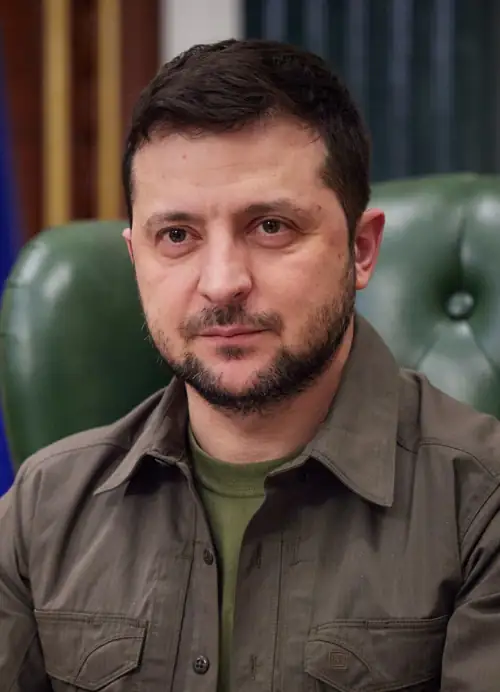
A Russian missile strike on Kryvyi Rih killed two people and wounded 14 others. Ukrainian President Volodymyr Zelenskyy reported on social media that one additional person was killed in Sumy. A separate Russian attack on Kyiv itself sparked multiple fires across the capital and injured six people.
"Wherever the Russians can reach with their ballistic missiles, they strike civilian infrastructure," Zelenskyy wrote. He is not wrong. Russia's targeting philosophy has never been subtle about this. Power plants, apartment buildings, city book markets, Kyiv getting hit at first light on a Sunday morning. This is the campaign as designed, not as a regrettable accident.
Where This Fits in the Broader War
Ukraine has been escalating its long-range strike campaign steadily throughout 2026, per NPR's reporting, with drones and missiles increasingly aimed at military industries and energy facilities deep inside Russian territory. The Wildberries campaign is part of a conscious effort to make the war felt by ordinary Russians, not just soldiers on the front line.
Almost four and a half years into Russia's full-scale invasion, Kyiv has gotten very good at this. The drone technology has improved, the tactics have sharpened, and the ambition of individual operations has grown considerably. Sending 600 drones at Moscow in a single night is not the work of a country that is losing its nerve.
Russia meanwhile continues to pound Ukrainian cities, and the civilian death toll on the Ukrainian side remains catastrophic. But Sunday's strikes make clear that the days of this war being a purely one-directional horror show are long over.
The Dingo Take
You are supposed to believe that Russia is winning this war. That is the story being told in certain corners of the internet and certain American political circles, the ones that have spent four years cheerleading for a negotiated Ukrainian surrender dressed up as peace. So explain Sunday. Explain how a losing country sends six hundred drones at the enemy capital in one night. Explain how a nation on the verge of collapse has the industrial capacity and tactical sophistication to simultaneously hit Moscow, devastate Rostov, and burn down one of Russia's largest retail warehouses, all before breakfast.
The Wildberries angle is the one that should haunt Russian leadership most. Governments can manage front-line casualties. They can suppress the numbers, control the funerals, keep the grieving families quiet. What they cannot manage forever is the moment when ordinary citizens start personally experiencing the consequences. When packages stop arriving. When the warehouse down the road is on fire. When an 83-year-old man in the Moscow suburbs dies because a Ukrainian drone found his house. That is when the official story starts cracking under the weight of reality.
None of this means Ukraine has won, or that the death and destruction is anywhere close to over. Russia killed three Ukrainians on Sunday too, and wounded twenty more, and set Kyiv on fire for the ten thousandth time. The suffering is mutual and ongoing and enormous. But if you have been told that Ukraine is exhausted and broken and ready to accept whatever terms Moscow dictates, Sunday night was an eight-hundred-and-twenty-two-drone argument to the contrary.



Comments