A 13-year-old boy is dead because carnival workers allegedly knew at least ten seats on a spinning ride were missing restraints, signed off on inspections anyway, and let him sit in one of them. Clayton Phillips fell from a 'Yo-Yo' ride in Butte, Montana on June 7 while it was running at full speed. He died two weeks later.
What Happened in That Parking Lot
The Butte Civic Center parking lot isn't exactly Madison Square Garden. It's a patch of asphalt that hosts an annual pop-up carnival, the kind of traveling show that rolls into mid-sized American towns every summer with rides, funnel cake, and apparently a fairly casual attitude toward whether the safety equipment is actually attached.
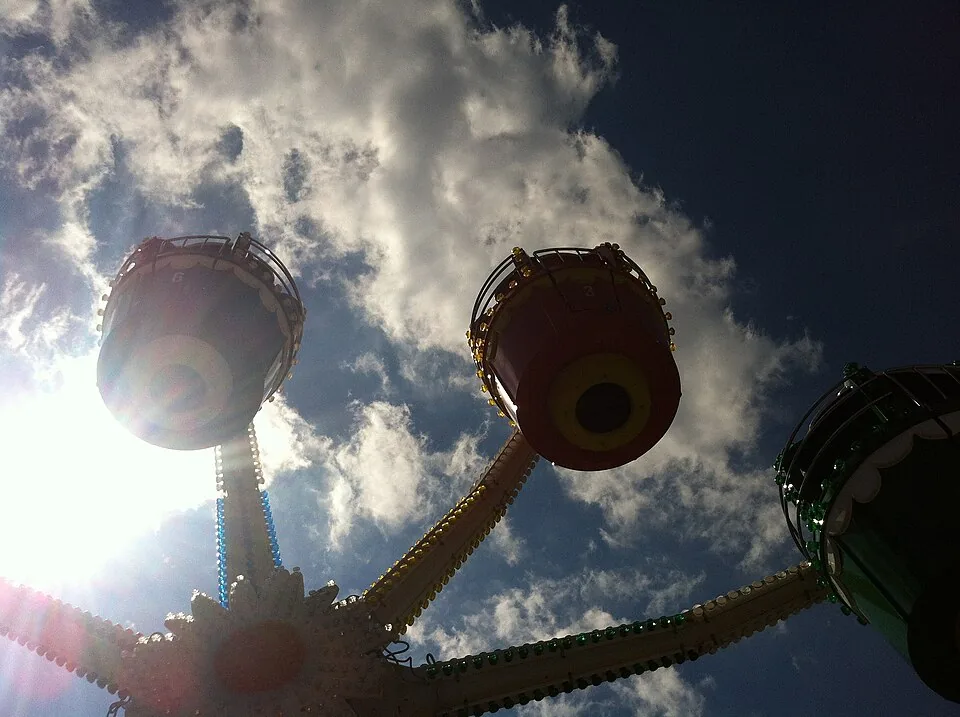
On June 7, Clayton Phillips climbed into a chair on the Yo-Yo ride. The Yo-Yo is the one where chairs hang from a spinning overhead structure on chains, swinging outward as the ride picks up speed. It requires restraints to work correctly. According to the lawsuit obtained by NBC Montana, Clayton's chair either lacked the proper restraints or the restraint system failed to hold him. The ride was going full speed when he fell.
He was taken for emergency medical care and held on for two weeks. He died from his injuries. He was thirteen years old.
Ten Broken Seats and a Signed Inspection Sheet
Here is where this goes from tragedy to something considerably darker. The lawsuit filed in Butte-Silver Bow District Court last week alleges that at least ten of the ride's chairs had deficiencies, including missing restraint components, that were described as "visible and readily discoverable." Not hidden. Not subtle. Visible.
Shady Acres Safety Services, the ride inspection company named in the suit, allegedly inspected the Yo-Yo at least twice in the month before the accident. Owner Dennis Sutherland signed off on both inspections. Both concluded there were no serious issues. No serious issues on a ride where ten seats were allegedly missing parts that keep children from being thrown into the air at speed.
Michelle Jensen, the owner of the carnival operator Midway West Amusements, allegedly admitted to police after the accident that there were problems with the ride and that replacement parts had been ordered. She also reportedly acknowledged that the only precaution workers actually took before the event was to tell riders not to use the broken seats. Tell riders. Verbally. At a loud carnival. As if a kid is going to walk up, have a calm conversation about seat integrity, and choose a different chair.
Who the Family Is Suing
The lawsuit, filed by Clayton's estate, names a crowd of defendants: the city-county government of Butte-Silver Bow, Midway West Amusements, Shady Acres Safety Services, Shady Acres owner Dennis Sutherland, and an additional twenty unnamed "persons or entities" involved in the inspection, assembly, maintenance, supervision, or operation of the ride. That last category is doing some real work.
The city-county government is named because it controlled the premises and had authority to inspect the carnival setup and passenger loading areas. Meaning the local government that permitted this event and owned the parking lot where it happened also allegedly had a responsibility to make sure kids weren't being loaded onto broken rides. According to the lawsuit, that responsibility went unmet.
The family is asking for compensatory damages, the cost of Clayton's suffering, lost future earnings, funeral expenses, and the cost of emergency and medical response. They are also seeking punitive damages, which is the legal system's way of saying this wasn't just an accident and someone should be made to feel it financially.
The Inspection Industry Problem Nobody Wants to Talk About
Ride safety inspections in the United States are a patchwork system that varies wildly by state, and in some states barely exists at all. Traveling carnivals move across jurisdictions constantly, and oversight depends on whichever combination of local, state, and private inspection regimes happen to apply wherever they park.
Private inspection companies like Shady Acres exist partly because public regulatory infrastructure is thin. The obvious problem with that model is that the company being inspected often has a financial relationship with the inspector. Shady Acres was allegedly paid to inspect the Yo-Yo ride, found nothing serious, signed the paperwork, and two weeks later a thirteen-year-old was dead. Whether that reflects corruption, incompetence, or a system so hollowed out by neglect that it couldn't catch something visible to the naked eye is a question a court will eventually have to answer.
What we can say right now is that the system as described in this lawsuit failed at every conceivable checkpoint.
The Dingo Take
You are supposed to believe this was an accident. It was not an accident. An accident is when something breaks unexpectedly, when a failure emerges from some hidden defect nobody could have spotted. This was the opposite of that. This was a broken ride with ten visibly deficient seats, inspected twice by a company that signed off on both, operated by a carnival whose own owner apparently knew there were problems and figured verbal warnings to children at a loud outdoor event was a sufficient safety protocol. Clayton Phillips died because every single person responsible for his safety looked at a broken ride and decided it was someone else's problem.
The inspection company signed the paperwork. The carnival operator told people not to sit in certain seats instead of fixing them or shutting down. The local government let the whole operation set up in its parking lot. That is not a chain of unfortunate coincidences. That is a failure of accountability so complete it had to be intentional on at least someone's part.
Clayton's family is going to spend years in court fighting for compensation that will never actually compensate them for anything. That is the reality here. The lawsuit might produce justice in a technical sense. It will not bring back a thirteen-year-old who got on a carnival ride on a summer Sunday and never came home. Someone looked at that ride, signed a piece of paper saying it was fine, and went home to dinner. That person should be thinking about that every single day.





Comments