Donald Trump has nominated a surgeon who thinks the FDA was wrong to allow medication abortion via telehealth, called his autism-vaccine executive order 'a historic action,' and wants to split up the MMR vaccine into individual shots — a move with no scientific basis that would raise costs and cause more kids to miss doses. She will now be asked to run the agency that regulates what goes into every American's body. Sleep tight.
Meet the New Boss of America's Drug and Food Watchdog
Trump announced on Truth Social that he is nominating Dr. Heidi Overton to be the next FDA commissioner, according to NPR. She fills the seat vacated by Dr. Marty Makary, who resigned in May after 13 months on the job.
Overton is a trained surgeon who currently serves as deputy assistant to the president for domestic policy at the White House. Before that, she worked at the conservative America First Policy Institute, where she wrote papers opposing gender-affirming care for minors and questioned the safety of medication abortion. That's her resume. That's the whole thing.
The FDA, for context, oversees the safety of food, drugs, medical devices, tobacco, cosmetics, and dietary supplements. It employs around 18,000 people. It is, by most assessments, one of the most technically demanding regulatory agencies on the planet. Overton is coming to it from a White House policy shop.
The Vaccine Thing Is the Part That Should Keep You Up at Night
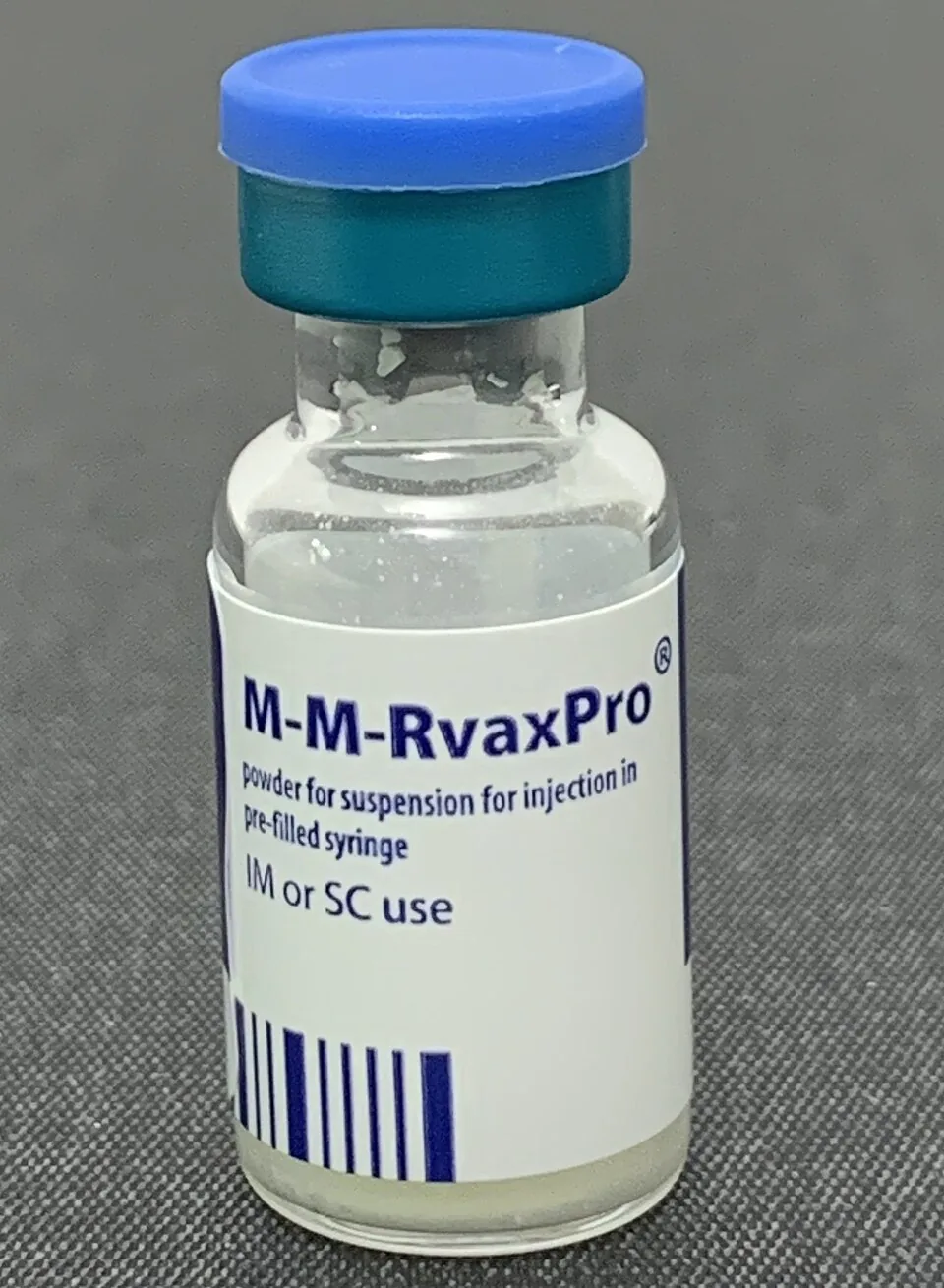
On August 10, Trump signed an executive order pushing to alter the childhood vaccine schedule and, in the same breath, revived debunked theories linking vaccines to autism. Overton stood at the podium and called it 'a historic action.' She also voiced support for Trump's push to manufacture individual measles, mumps, and rubella vaccines separately, rather than giving them together as the MMR shot.
'We do still recommend the measles vaccine for all children, but we want parents to be informed about the timing and to have the option to separate them out,' she said.
Here is the problem with that, per NPR: there is no science supporting the idea that separating those vaccines does anything beneficial. None. Public health experts, including Dr. Joshua Sharfstein, who served as principal deputy commissioner of the FDA under Obama, have made this point explicitly. Splitting up the MMR shot would raise costs and, more critically, increase the odds that children miss doses entirely. The practical consequence of this 'parental choice' framing is fewer vaccinated kids. That's not a side effect. That's the effect.
What the FDA Actually Requires From Its Commissioner
Sharfstein told NPR that leading the FDA might be the hardest health job in government. He described what it takes: a good brain, yes, but more importantly, a strong spine. 'There's all kinds of pressures — there are political pressures, there are business pressures, there are advocacy pressures coming all the time,' he said.
He also noted something revealing about the gap between White House advisers and actual FDA leadership. In any administration, he said, White House staffers walk around asking why the FDA can't just do things differently. Then they actually get to the FDA and discover there are career scientists with decades of expertise telling them why certain things cannot simply be done on a political timeline.
The question hanging over Overton's nomination is whether she will listen to those scientists or treat them as obstacles. Based on her track record of backing positions that contradict scientific consensus, the answer is not obvious in a good way.
The Senate Math Is Going to Get Interesting
Overton still needs Senate confirmation, and cracks are already showing. Sen. Patty Murray, Democrat of Washington, has already announced she will vote no. More interesting is Sen. Bill Cassidy, a Republican from Louisiana who is also a gastroenterologist, meaning he actually has a medical background and knows what he's looking at. Cassidy voiced concerns about the nomination on social media, though NPR reports he stopped short of saying how he would vote.
Whether Cassidy turns his medical misgivings into an actual no vote, or whether this is the standard Republican ritual of expressing concern before falling in line, remains to be seen. The history of Republicans 'voicing concerns' and then voting yes anyway is long enough to be its own almanac.
The Dingo Take
The MMR vaccine works. It has worked for decades. Measles was declared eliminated in the United States in 2000. It came back, predictably, as vaccination rates slipped. Splitting the MMR into three separate shots, on a schedule backed by no clinical evidence, administered to children whose parents are now being told by the federal government that the existing schedule is somehow suspect, will cost more money and result in more unvaccinated children. The incoming FDA commissioner thinks this is a good idea. The sitting president calls debunked autism theories worth revisiting. This is not a culture war skirmish. Children will get measles.
Overton has every right to her views on gender care, telehealth abortion, vaccine schedules, and anything else. The problem is that the FDA commissioner is not supposed to be a policy advocate. The job is to be the person in the room who tells politicians that the science says what it says, and then holds the line when the political pressure comes. Given that Overton's entire pre-nomination career involved generating political arguments against medical consensus, asking her to suddenly become that person is a very large ask.
The Senate has a chance to actually do something here. Cassidy, in particular, has the credentials to lead a serious examination of whether this nominee can do this job without turning the country's drug and food safety agency into an extension of the West Wing's talking points operation. Whether he uses that chance, or whether he does the usual performance of 'concerns' followed by a quiet yes vote, will tell us a great deal about whether there is any functional brake left on this.




Comments