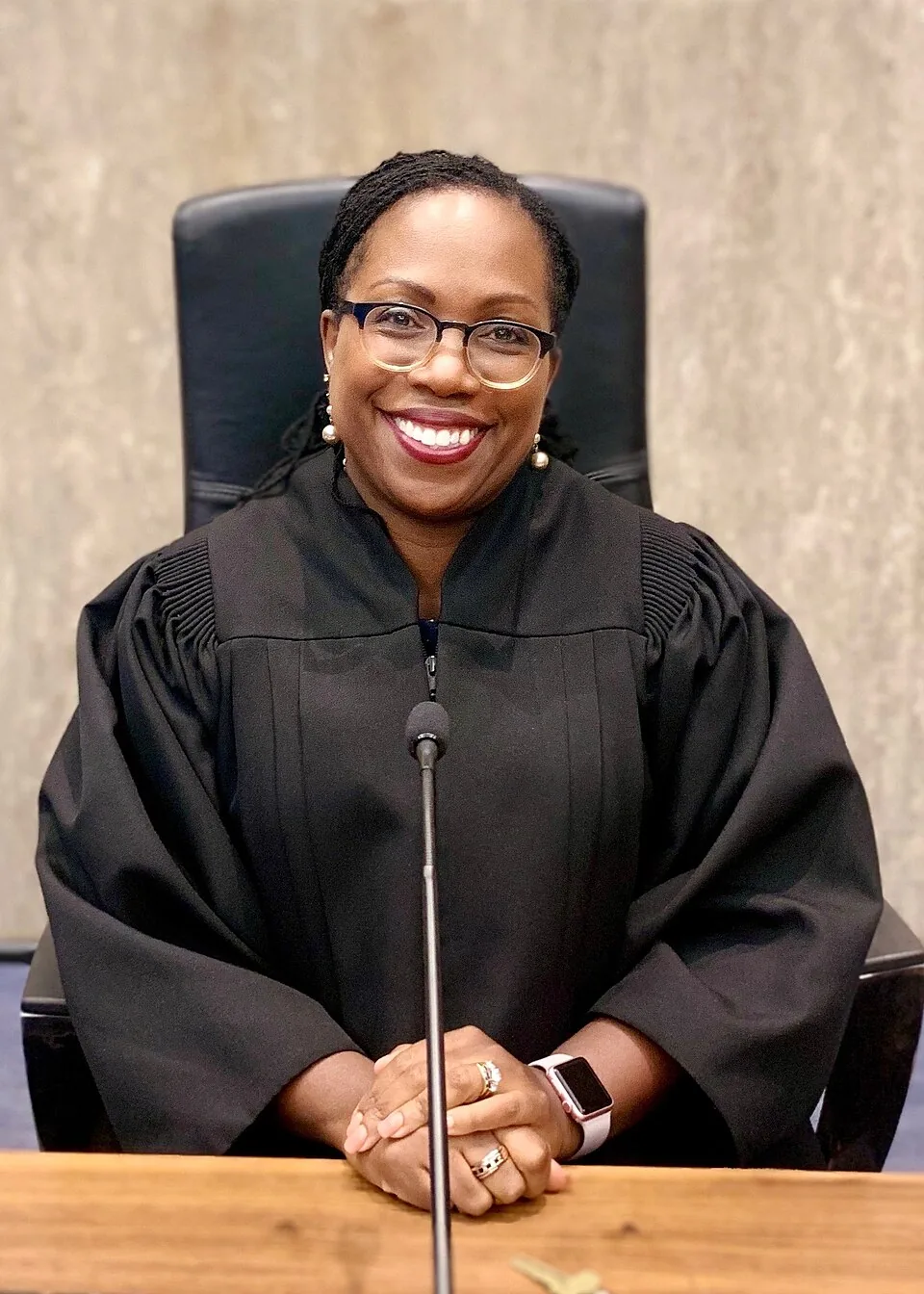
The Supreme Court just handed the Trump administration a win on mail-in voting restrictions two months before the midterms, and Justice Ketanji Brown Jackson is not keeping her mouth shut about it. In a 23-page dissent filed Monday, she called the majority's reasoning a 'Kafkaesque nightmare' and warned that the ruling injects chaos into an election that is already happening right now. The Postal Service was already outlining implementation plans last week, and North Carolina starts mailing ballots to military and overseas voters on September 4.
What the Court Actually Did
The Supreme Court granted the Trump administration's request to stay a lower-court injunction that had blocked parts of Trump's March 31 executive order from taking effect in 23 Democratic-led states and the District of Columbia. That injunction is now lifted while the case works its way through the appeals courts.
The unsigned majority opinion was careful to note that it was not ruling on whether the executive order itself is lawful. 'The Court's disposition of this application does not mean that any measure taken by the Government to implement the Order will necessarily be lawful,' the majority wrote. 'On that score, time will tell.' A fun thing to say when ballots are already going out in a matter of days.
The court's reasoning, in plain language, was that the states challenging the order had not yet suffered a sufficiently concrete injury to bring the lawsuit. Basically: you can't sue us yet because nothing bad has technically happened to you yet. Jackson's response to that logic was, to put it gently, withering.
What Trump's Order Actually Does
It is worth being specific here, because the executive order Trump signed back on March 31 is not small. According to Fox News, it directs the Department of Homeland Security to compile state-specific lists of U.S. citizens, instructs the attorney general to prioritize investigations and prosecutions involving allegedly ineligible voters, and tells the U.S. Postal Service to pursue new rules governing mail-in and absentee ballots.
Those USPS rules include ballot-envelope requirements, tracking barcodes, and state-specific voter lists. The Postal Service laid out its implementation plans last week, per the Associated Press. The approaching election calendar may limit how much can actually take effect before November, but 'may limit' is doing a lot of heavy lifting in that sentence when you realize some states start mailing ballots in less than two weeks.
Jackson's 'Catch-Me-If-You-Can' Problem
Jackson's dissent zeroed in on the procedural trap the majority's reasoning creates for states. The Supreme Court has previously warned against courts changing election rules too close to Election Day. Fine principle. Sensible, even. But now the court is also saying states cannot challenge election rules before they have suffered a concrete enough injury, which by definition might not happen until, say, ballots are already being mishandled.
Sue too early and you lack standing. Sue too close to the election and the court says you waited too long. Jackson called this the majority's 'Catch-Me-If-You-Can approach,' and she argued it leaves states with no viable window to actually get a court to review changes to election procedures before those changes wreck an election. 'The Court does a disservice to all concerned by distorting Article III standing and ripeness principles to issue a ruling that contributes to pre-election chaos instead of quashing it,' she wrote.
She also accused the majority of a 'lack of situational awareness,' pointing out the absurdity of the administration seeking emergency relief while simultaneously insisting the consequences of its own executive order were still uncertain. You cannot claim urgency and plausible deniability at the same time. Jackson noticed.
The Other Dissenters
Jackson was not alone. Justice Sonia Sotomayor filed a separate dissent joined by Justice Elena Kagan, arguing the states already faced sufficiently concrete and imminent injuries to bring their challenge. So all three liberal justices dissented, just through different legal routes.
The litigation is not over. The Supreme Court's order stays the Massachusetts injunction while the administration's appeal proceeds in the First Circuit and potentially comes back to the high court. So this will land in front of the same justices again, probably at a moment that is even closer to an actual election.
Jackson Closes the Door on Any Ambiguity
Jackson ended her dissent with language that left zero interpretive wiggle room. 'When the Government's obvious goal is to interfere with the Plaintiff States' practices and prerogatives in a manner that the Constitution does not authorize,' she wrote, 'it is both a serious legal error and a grave misuse of our equitable emergency powers to let the Executive proceed even one step further.'
She called the case 'not a close call.' That is a Supreme Court justice telling her colleagues they got this badly wrong, in print, for the record, before a midterm election. You do not write 23 pages to say you have mild reservations.
The Dingo Take
You are supposed to believe this is just normal appellate procedure. Routine application of ripeness doctrine. Nothing to see here, the case continues in the lower courts. That is the line. Do not buy it.
What actually happened is that the Trump administration signed an executive order giving itself new authority over mail-in ballots, voter lists, and postal rules for elections. A federal court blocked it. The Supreme Court unblocked it, two months before the midterms, on the grounds that the states suing to stop it haven't been hurt badly enough yet. The Postal Service is already drawing up implementation plans. North Carolina starts mailing ballots in nine days. The court's message to states is essentially: feel free to sue us again once something has already gone wrong. Helpful!
Jackson is not just venting here. Her dissent is a roadmap for what the conservative majority has been quietly constructing, case by case, a procedural architecture that makes election-related challenges almost impossible to bring at any viable moment in the calendar. Too early and you lack standing. Too late and you're disrupting an ongoing election. The window to actually stop something before it damages an election keeps shrinking. That is not an accident. And with midterms two months out and ballots already moving, the chaos Jackson warned about is not a hypothetical. It is the schedule.




Comments