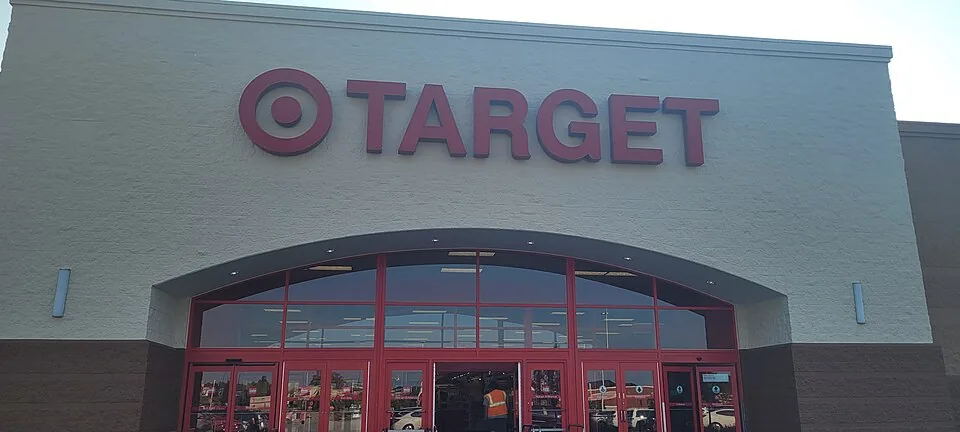
Target, the same company that just finished announcing it was done with all that pesky diversity stuff, somehow approved a children's Halloween costume that customers immediately recognized as evoking blackface and minstrel shows. The retailer has since pulled the costume and issued an apology. The costume was real. It was for kids. It was on their shelves.
What Target Actually Sold
The costume in question was listed as the "Kids' Glows Under Blacklight Circus Clown Halloween Costume." According to BBC News, images of the product circulating on social media prompted customers, critics, and pretty much anyone with functioning eyes to point out that it bore a striking resemblance to blackface and the minstrel show tradition, a form of entertainment built entirely on the dehumanization of Black Americans that the country spent about a century pretending it was done with.
Target confirmed the obvious. "As a company, we know we got this wrong, and we are deeply sorry," the retailer said in a statement. "The costume is offensive and should never have been part of our assortment." The company described it as "hurtful for our Black guests, team members and partners" without getting into the specific details of how a costume like this cleared every single stage of their product review process and ended up tagged, priced, photographed, and listed for sale to children.
The Timeline Here Is Doing a Lot of Work
Let's set the scene. Target spent the first part of 2026 rolling back its DEI commitments under pressure from conservative activists and the broader anti-DEI movement that has been treating corporate diversity programs like a personal enemy. The company ended its DEI targets. It got boycotted from the left for doing that. It faced supply shortages. It has had, to put it mildly, a rough run.
And then, into this environment, Target shipped a blackface clown costume for kids to its Halloween section. The BBC reports that Target has also drawn criticism going back to 2023 over its handling of products in its Pride Collection, when it quietly moved or removed some Pride merchandise after facing threats and pressure from the right. So the company's recent history is: retreat from LGBTQ+ visibility under pressure, retreat from diversity commitments under pressure, and now, apparently, somehow approve a costume that evokes one of the most recognizable symbols of American racist history. The sequencing is not flattering.
Target Says It's Looking Into It. Sure.
The company's statement included the promise that "removing the costume is an important first step, and the company is looking closely at how this happened and what needs to change to ensure this won't happen again." Which raises the obvious question: how did this happen in the first place?
Target is not a small operation run out of a garage. It is one of the largest retailers in the United States, with entire teams dedicated to product development, sourcing, compliance, and marketing. A children's Halloween costume does not appear on a product listing page by accident. Someone designed it. Someone approved it. Someone photographed it. Someone wrote the listing copy. Multiple people, at multiple stages, looked at this costume and said yes, let's sell this. That's the part Target hasn't explained yet. The BBC reports the company declined to comment further when pressed.
The 'We Got It Wrong' Industrial Complex
There is a particular genre of corporate apology that has been perfected over the last decade, and Target's statement is a textbook entry. It hits all the notes: the passive acknowledgment of wrongdoing, the expression of sorrow, the vague promise to investigate, the absence of any specific accountability. "We know we got this wrong." Full stop. No names. No process. No explanation of who approved what and when.
This formula works well enough to kill a news cycle. Issue the statement, pull the product, wait for the next thing. What it doesn't do is answer the structural question, which is how a major American retailer in 2026 managed to put a costume evoking blackface on children's Halloween racks without anyone in the pipeline raising a hand. That question is more interesting than the apology, and Target is betting you'll be satisfied with the apology.
The Dingo Take
You are supposed to look at this story and see a company making an honest mistake, issuing a genuine apology, and doing the right thing by pulling the product. And sure, fine, at a minimum they did pull it. But honest mistakes don't come out of nowhere. They come out of processes, and processes reflect priorities. A company that spent 2026 loudly retreating from diversity commitments under political pressure, that has been systematically stripping out the institutional infrastructure that might have caught exactly this kind of thing, somehow let a blackface clown costume for children reach the sales floor. That is not unrelated. That is what the gutting of DEI programs looks like in practice.
Target is not evil. It is something more mundane and more depressing: it is a giant corporation making calculated decisions about which communities are safe to disappoint based on who screams loudest at any given moment. It bent to the anti-DEI crowd because it felt like the path of least resistance. And then it turned around and sold a blackface costume for kids, which is the kind of thing that the institutional focus on diversity was specifically designed to prevent. The irony is so thick you could display it in the Halloween section.
The costume is gone now. The apology is logged. The news cycle will move on, and Target will keep operating, and we'll see if they actually change anything or if "looking closely at how this happened" is just the corporate version of promising to do better. Based on recent form, don't hold your breath.



Comments