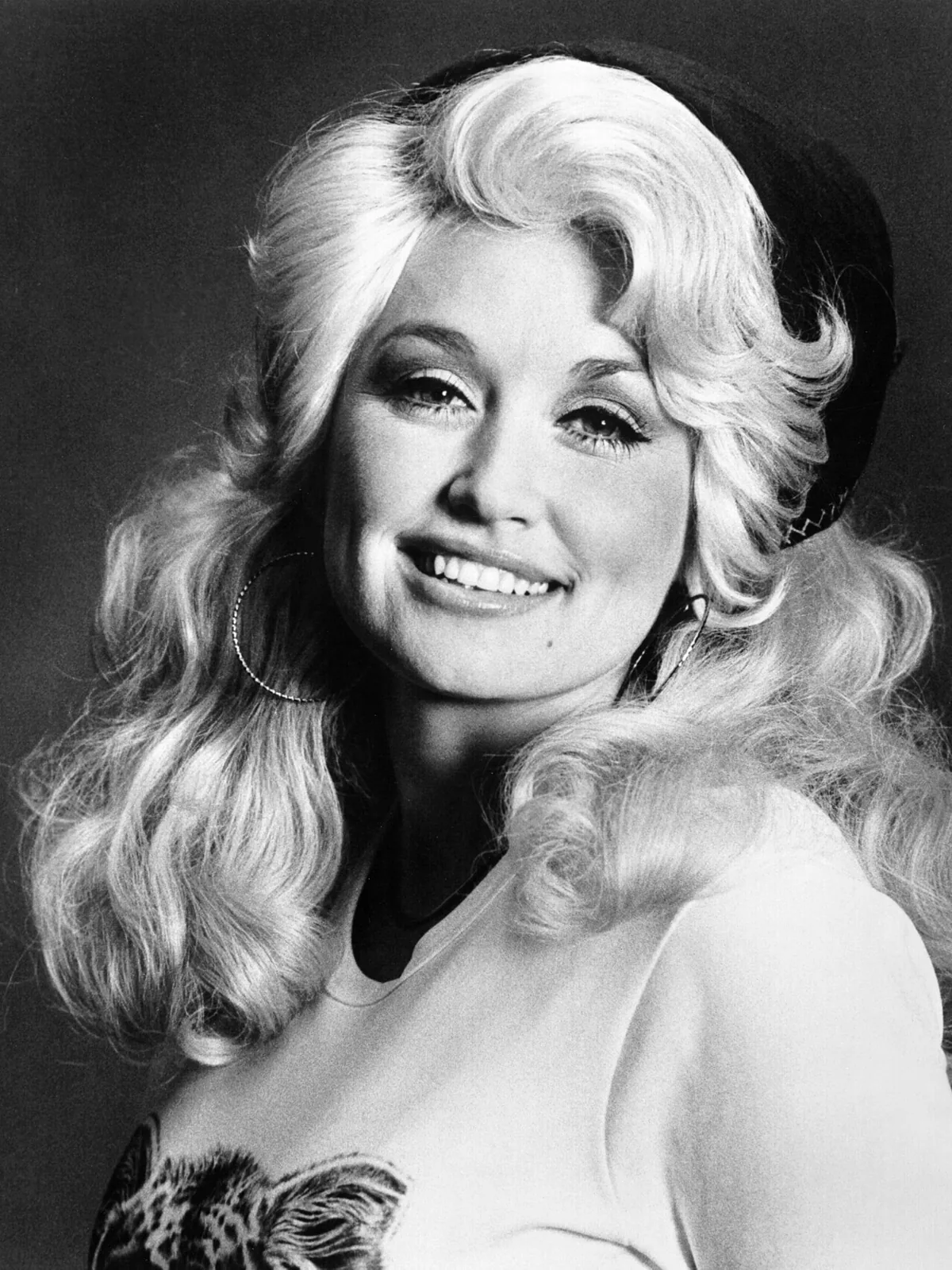
Dolly Parton died on August 25. Two days later, the Atlantic Ocean named a tropical storm after her. Nobody planned this, nobody scheduled it, and yet here we are, watching the universe do its thing with all the subtlety of a rhinestone jumpsuit at a funeral.
Yes, This Is Real. Yes, It Really Happened.
Tropical Storm Dolly officially formed at 11 a.m. EDT on Thursday, August 27, according to the National Hurricane Center, making it the fourth named storm of the 2026 Atlantic hurricane season. The music icon, Dolly Parton, died two days earlier on August 25.
The timing is, as retired NOAA meteorologist and self-described Parton fan Roger Edwards put it, an "astounding coincidence." That is the technical meteorological term for it, apparently. Edwards knows his storms and he knew his Dolly, so we'll take his word for it.
For anyone already drafting their takes about signs from above or the cosmos paying tribute: the name has been on a pre-approved alphabetical list maintained by the World Meteorological Organization in Switzerland for decades. USA TODAY reports the name Dolly replaced Diana on that list after the 1990 hurricane season and was first used in 1996. The storm was not named for the singer. The storm does not know who Dolly Parton was. The storm simply is.
Where the Storm Is and What It's Doing
As of Thursday morning, Dolly was sitting about 1,555 miles east of the Leeward Islands, moving west at 24 mph with maximum sustained winds of 40 mph, according to the National Hurricane Center. That puts it solidly in tropical storm territory, which starts at 39 mph.
The Hurricane Center is not particularly impressed with Dolly's prospects. Forecasters expect hostile environmental conditions beginning August 28 to prevent the storm from developing further, and they described it as likely to be short-lived. So even as a force of nature named after a woman who was anything but short-lived, this storm is probably not going to amount to much.
That said, the Hurricane Center warned that even a weakening Dolly could bring heavy rainfall to the Leeward Islands late Saturday into Sunday, and to the Virgin Islands, Puerto Rico, and Hispaniola through Monday, with a risk of flash flooding in areas of higher terrain. Dolly the storm may be fading, but she's not done just yet.
Could It Hit the US? The Complicated Answer Is: Maybe, Sort Of, Depends
AccuWeather lead hurricane expert Alex DaSilva said in an email on August 26, before the storm was even officially named, that if the system could hold together long enough it would be worth watching for those along the East Coast. USA TODAY reports AccuWeather laid out two scenarios: a weak storm that could pose a concern to the Bahamas and possibly the US mainland, or a stronger storm that might turn north and head out to sea, missing the mainland entirely.
So the storm that would most threaten the United States is paradoxically the weaker one. The stronger Dolly gets, the less damage she does to the continental US. That's either comforting or deeply on-brand for a woman who spent decades being underestimated by people who mistook the sequins for the whole story.
Conditions in the Atlantic this season have generally been unfriendly to tropical storm growth, AccuWeather noted. Which means the 2026 hurricane season has been quietly uneventful right up until the moment it decided to name its fourth storm after a newly deceased American legend.
A Name With History, and Now a Whole Lot More Weight
The Atlantic storm naming system is older than most people realize. The World Meteorological Organization maintains rotating lists of names that cycle every six years. When a storm causes significant enough damage, its name gets retired. Otherwise the names just keep coming back around, indifferent to whatever else happens to share them.
Dolly has been in the rotation since 1996. It will presumably be in the rotation again in 2032, by which point the sting of this particular week will have softened. Probably. The name itself is not going anywhere unless this storm does something catastrophic enough to warrant retirement, which current forecasts suggest it will not.
What the system cannot account for is timing. It cannot account for a globally beloved 80-year-old woman dying two days before a storm bearing her name spins up in the Atlantic. The list is indifferent to history. The Atlantic does not read the news. And yet.
The Dingo Take
Dolly Parton spent her entire career turning pain into something people could sing along to. She wrote "I Will Always Love You" about a business breakup, turned poverty into poetry, and managed to be genuinely beloved by people who agreed on absolutely nothing else. The woman was a unifying force in a country that has almost no unifying forces left. And then, 48 hours after she died, the ocean put her name on a storm.
The universe, if it is trying to say something here, has terrible timing and a flair for the dramatic. A meteorological shrug of the shoulders, a coincidence so clean it feels engineered, and suddenly everyone who spent the week grieving has one more surreal thing to sit with. The storm is probably going to fall apart before it does much of anything. Which is to say: the weather named something after Dolly Parton and then couldn't keep it together. Join the club.
What you should actually pay attention to is the rainfall risk for Puerto Rico, Hispaniola, and the Virgin Islands through the weekend. Those aren't regions that need more flash flooding, regardless of what the storm is named or how poetically timed its arrival is. The coincidence is striking. The potential human impact is not a metaphor.



Comments