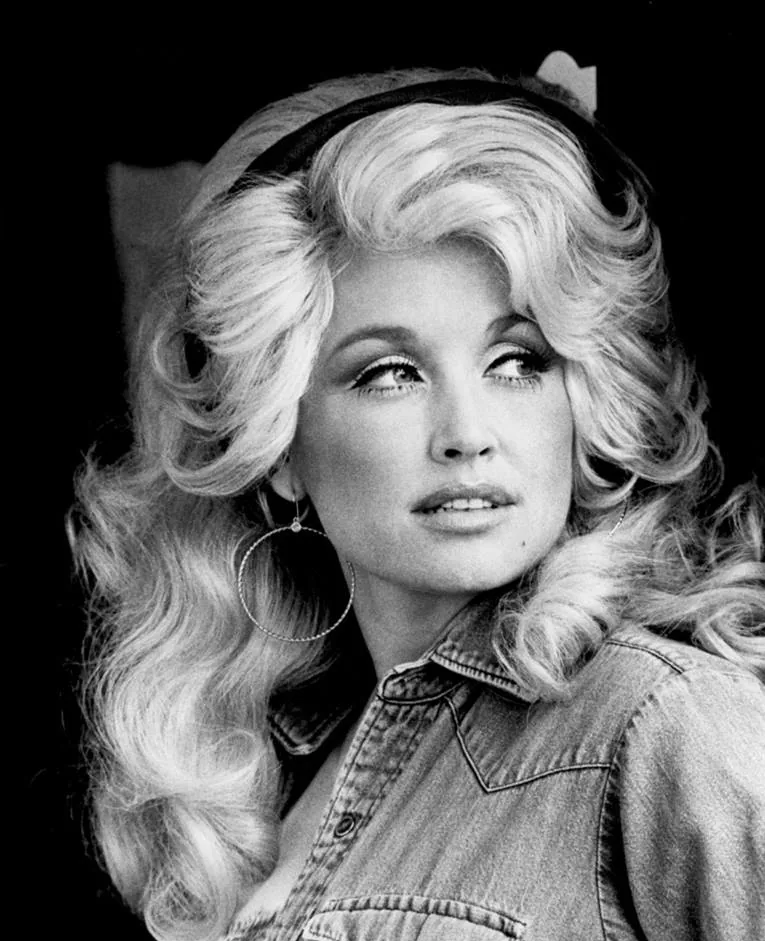
Dolly Parton, one of the most beloved human beings to ever walk this earth, was buried on Friday in a private ceremony attended only by family. She was 80 years old, gone after a brief battle with cancer, and the world has been noticeably worse since Tuesday. Her grand-niece Lainey put it better than any headline could: she would give anything to see that name pop up on her phone again.
A Quiet Goodbye for a Woman Who Was Never Quiet Enough
According to NBC News, Parton's social media pages had announced in advance that she wanted a small, private service for immediate family only. No spectacle. No stadium farewell. Just the people she loved, saying goodbye to the woman who loved them back harder than they thought possible.
Lainey Parton, her grand-niece, broke the silence on Instagram the day after the burial. "This is a really hard post for me to make," she wrote. "I wanted to wait until after my granny was laid to rest yesterday before I tried to put any of this into words." That restraint, that instinct to protect the moment before sharing it, feels very Dolly-coded.
The 4 AM Phone Calls
Here is the detail that will stay with you. Lainey wrote that she is going to miss, among everything else, "those 4 AM calls." She would give anything, she said, to see her aunt's name light up her phone again.
That one line tells you everything about who Dolly Parton actually was, beneath the wigs and the rhinestones and the brand. She was a woman who called her family at four in the morning. Who made time. Who showed up, even when showing up meant picking up the phone in the dark.
Parton was one of 12 children, raised in rural Tennessee, and NBC News reports she maintained an incredibly close relationship with her siblings, nieces, and nephews throughout her life. A family that size, that tight, over that many decades of fame and fortune? That is not an accident. That takes deliberate, sustained effort from someone at the center of it.
She Didn't Just Tell You to Chase Your Dreams
Lainey described in her tribute what it actually looked like to be loved by Dolly Parton in practical terms. When Lainey decided to attend beauty school, Parton did not offer encouraging words and a hug. She helped fund it. "She didn't just tell me to chase my dreams, she helped me get there," Lainey wrote.
Lainey also recalled singing with her aunt on the 2024 "Smoky Mountain DNA" album, a project that brought together multiple members of the Parton family. She was a freshman in high school, she said, nervous as hell, and Parton had a way of making her feel like nothing bad could happen. Safe. Confident. Like she belonged right there.
Parton never had children of her own. According to NBC News, Lainey wrote that "because she couldn't have kids of her own, she always made us feel like we were hers." That is not a small thing to do. That is a choice, made over and over again, across a lifetime.
What the World Actually Lost
Let's not be glib about the scale of this. Dolly Parton was an 11-time Grammy winner. A songwriter of genuine, lasting genius. A philanthropist whose Imagination Library program has mailed free books to children every single month since 1995, in multiple countries, targeting kids from birth through kindergarten entry. A businesswoman who built an empire from nothing, starting from a one-room cabin in the Smoky Mountains.
She was also, NBC News notes, preceded in death by her husband of 59 years, Carl Thomas Dean, who died in 2025. Fifty-nine years. She lost him, and then within a year, cancer came for her too. That timeline is brutal in the quietest possible way.
The tributes that poured in from Hollywood and the music industry after Tuesday were enormous and genuine and completely expected. What Lainey's post added was the part the tributes miss: what it felt like to actually be on the other end of that love.
The Dingo Take
You are supposed to believe that celebrity grief is cheap, that mourning a famous person you never met is parasocial and embarrassing. And maybe sometimes it is. But Dolly Parton is not a parasocial attachment. She is the woman who spent decades giving away books to poor kids because she remembered being one. She is the woman who turned down the Presidential Medal of Freedom twice because she did not think she had earned it. She is the woman calling her grand-niece at four in the morning from somewhere on a tour bus or in a hotel room, just because.
There is a specific kind of person who accumulates enormous wealth and fame and uses it to make the people closest to them feel small, feel managed, feel like assets. Dolly Parton appears to have done the exact opposite with every resource she had. Her family's grief is not the grief of people who lost a brand. It is the grief of people who lost their person.
She asked for a private funeral. No cameras, no spectacle, no final performance. The woman who spent sixty years performing knew exactly when to leave the stage. The rest of us are just standing in the dark with the house lights up, still not quite believing the show is over.


Comments