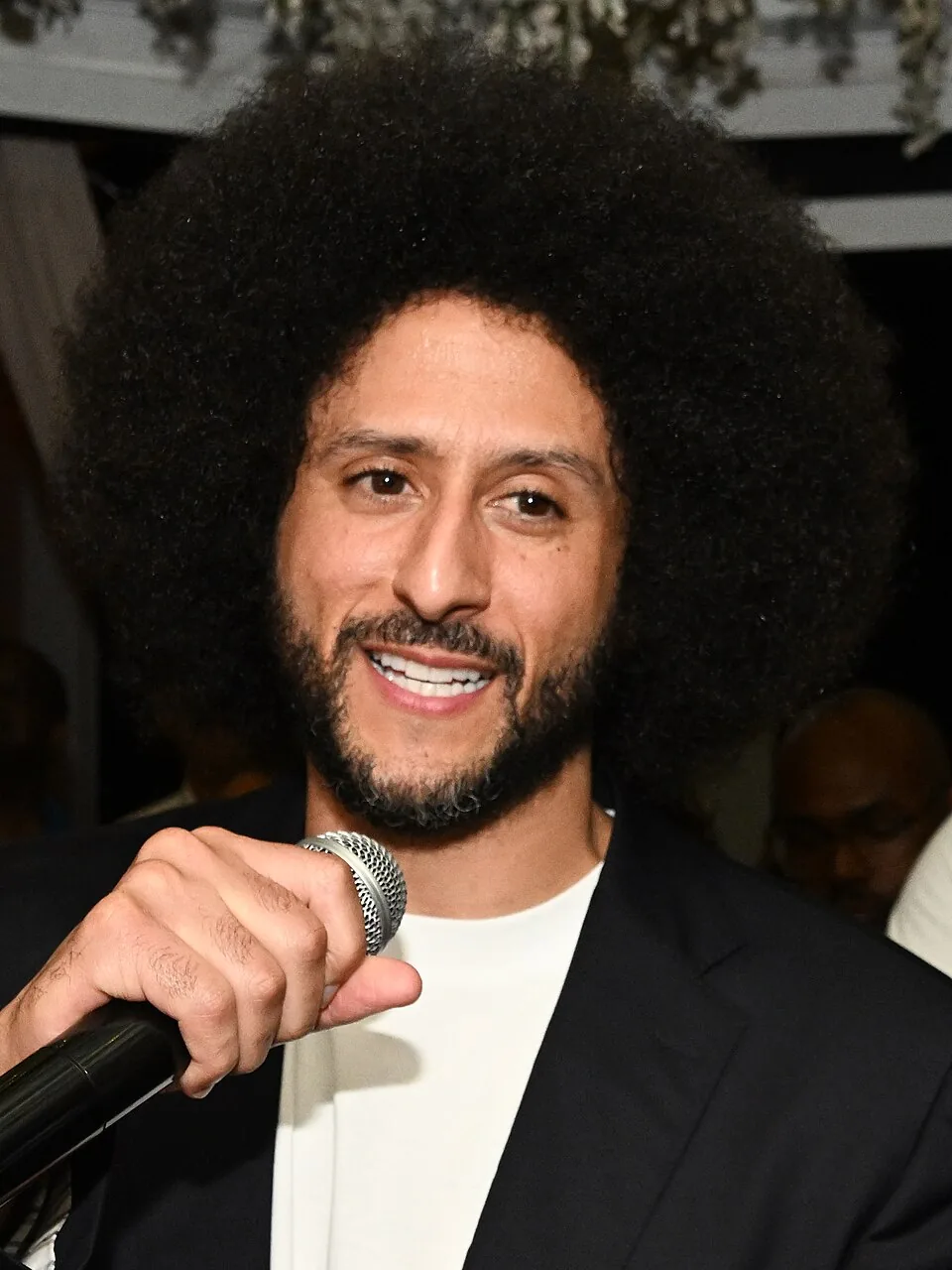
Ten years after a quiet act of sitting on a bench during a preseason game detonated one of the most ferocious cultural firestorms in American sports history, Colin Kaepernick is correcting the record on the detail everyone got wrong. It was his teammate Eric Reid who suggested taking a knee. Not the Army veteran. Not Nate Boyer. Reid. And Kaepernick has a memoir, a 4:30 a.m. workout schedule, and a four-year-old daughter to prove the fight isn't over.
The Origin Story Was Wrong
For ten years, the accepted narrative went something like this: Kaepernick sat during the anthem, Army veteran and former Seattle Seahawk Nate Boyer wrote him an open letter, they met before the September 1, 2016 game, and out of that conversation came the decision to kneel rather than sit. It was a tidy story. A story about dialogue and compromise and finding a respectful middle ground. It was also, according to Kaepernick himself, not quite right.
According to NBC News, which interviewed Kaepernick for his forthcoming memoir "The Perilous Fight," it was 49ers teammate Eric Reid who approached Kaepernick before that game and suggested kneeling. Not Boyer. Reid wanted to join the protest and the two of them landed on kneeling together. Boyer, for his part, doesn't dispute this version of events. "I remember them nodding," he told NBC News, and he acknowledged the players may well have settled on kneeling before he and Kaepernick ever sat down.
Boyer's role was real but narrower than the legend made it. He met with Kaepernick and Reid, relayed how veterans were responding to his Army Times open letter, and suggested the bench-sitting "wasn't the most inspiring" look. He floated bowing his head while standing. Kaepernick, per Boyer, said no immediately. The conversation logically moved to kneeling. But the idea? That came from Reid.
How It Actually Started: An Injury, Some Books, and a Gut Feeling
The protest didn't begin on September 1. It began on August 14, 2016, when Kaepernick sat on the bench during the national anthem before a preseason game and nobody noticed. Nobody. He sat there in plain sight and the sports press missed it entirely. It took until after the 49ers' third preseason game for anyone to ask him why.
Kaepernick told NBC News the protest wasn't even premeditated that August night. He heard the anthem begin and simply couldn't bring himself to stand. But the groundwork had been laid in the months before, while he was recovering from surgeries. The rehab gave him more free time than he'd ever had as a professional athlete, and he filled it by reading. Deeply. "The Autobiography of Malcolm X." Frantz Fanon's "Black Skin, White Masks." He was immersed in the literature of Black liberation while the news was full of police killings.
When a reporter finally caught up to him and asked what was going on, Kaepernick was ready. "I am not going to stand up to show pride in a flag for a country that oppresses Black people and people of color," he said, per NBC News. "There are bodies in the street and people getting paid leave and getting away with murder." He called his partner Nessa after. She asked, on a scale of one to ten, how hard had he gone. He said maybe a four. She told him, when the world exploded, that it was not a four.
The NFL Still Doesn't Want to Admit What It Did
Kaepernick hasn't watched an NFL game since he was pushed out of the league. He told NBC News he's not going to support an organization "that one, is actively blackballing me, but two, has targeted my brothers who have been protesting as part of this as well." He watches college football now.
Roger Goodell has said on multiple occasions he doesn't believe Kaepernick was blackballed. This is the same Roger Goodell who presided over a league that had no shortage of roster spots for players with far worse on-field performances and far worse off-field records than Kaepernick's. The quarterback led the San Francisco 49ers to the Super Bowl in 2012. He was 29 years old and one of the most talented quarterbacks in the league when teams suddenly stopped calling. But sure, Roger. Not blackballed.
Ten Years Later, He's Still at It at 4:30 in the Morning
Kaepernick is 38 now. He still wakes up most days before the sun and works out. His football career is over. He knows that. But NBC News reports that his memoir, "The Perilous Fight," drops September 15, and it represents the most extensive public accounting he's given of the protest and its fallout in years.
The impetus for coming back out publicly, at least in part, is his daughter. She's four years old. Kaepernick told NBC News that fatherhood "increases the responsibility and urgency of the work we're doing." He doesn't want her, or anyone in his community, to draw the conclusion that fighting for Black people is a career-ender with no redemption. "I don't want my community to watch me and have the takeaway be that if you fight for Black folks, it's over for you," he writes in the book.
Trump Said He Should Find a Better Country. The Country Got Trump Instead.
When the jersey-burning started and the flags came out and the outrage machine cranked to full volume, Donald Trump was a presidential candidate. He said Kaepernick "should find a country that works better for him." That was 2016. In the decade since, Trump lost, won again, and the country has been through a pandemic, a Capitol insurrection, and a sustained assault on every institution that might constrain executive power.
The policing issues Kaepernick was protesting? Still here. George Floyd was murdered in 2020. The protests that followed were the largest in American history. The NFL issued a statement saying it was wrong to have discouraged players from kneeling. Goodell filmed a video in his home office saying "Black Lives Matter." Kaepernick still didn't get a job. The owners who colluded to keep him out settled a grievance with him in 2019 under confidential terms. The terms stayed confidential. Kaepernick stayed unemployed from the NFL.
The Dingo Take
You are supposed to believe that a quarterback who went to the Super Bowl, who had a winning record, who was 29 years old at the peak of his athletic ability, just couldn't find a single NFL roster spot for years because of football reasons. Thirty-two teams. Not one of them had a need for a backup quarterback who was demonstrably better than most of the quarterbacks actually starting games during those seasons. No one blackballed anyone. It just happened. Spontaneously. Simultaneously. Across the entire league. Right.
The detail about Eric Reid deserves more than a passing mention. For a decade, Nate Boyer has been folded into the kneeling story as the veteran whose conversation with Kaepernick produced the gesture. That story was comforting to a lot of people because it turned the protest into a negotiation, a compromise between a Black quarterback and a white Green Beret. Neat. Bipartisan, almost. The real story is simpler and in some ways more powerful: a Black player saw his teammate standing alone and said, let me stand with you, and here is how we do it. Reid was right there and has largely been erased from the popular telling.
Kaepernick is 38 and waking up at 4:30 in the morning and writing memoirs and raising a daughter and still at it. Whatever you think about the protest, whatever you think about the anthem, that man paid an enormous professional and financial price for a moment of conscience, and the thing he was protesting is still happening. The jerseys got burned. The jobs didn't come back. The killings continued. And now, ten years later, he's the one still standing.


Comments