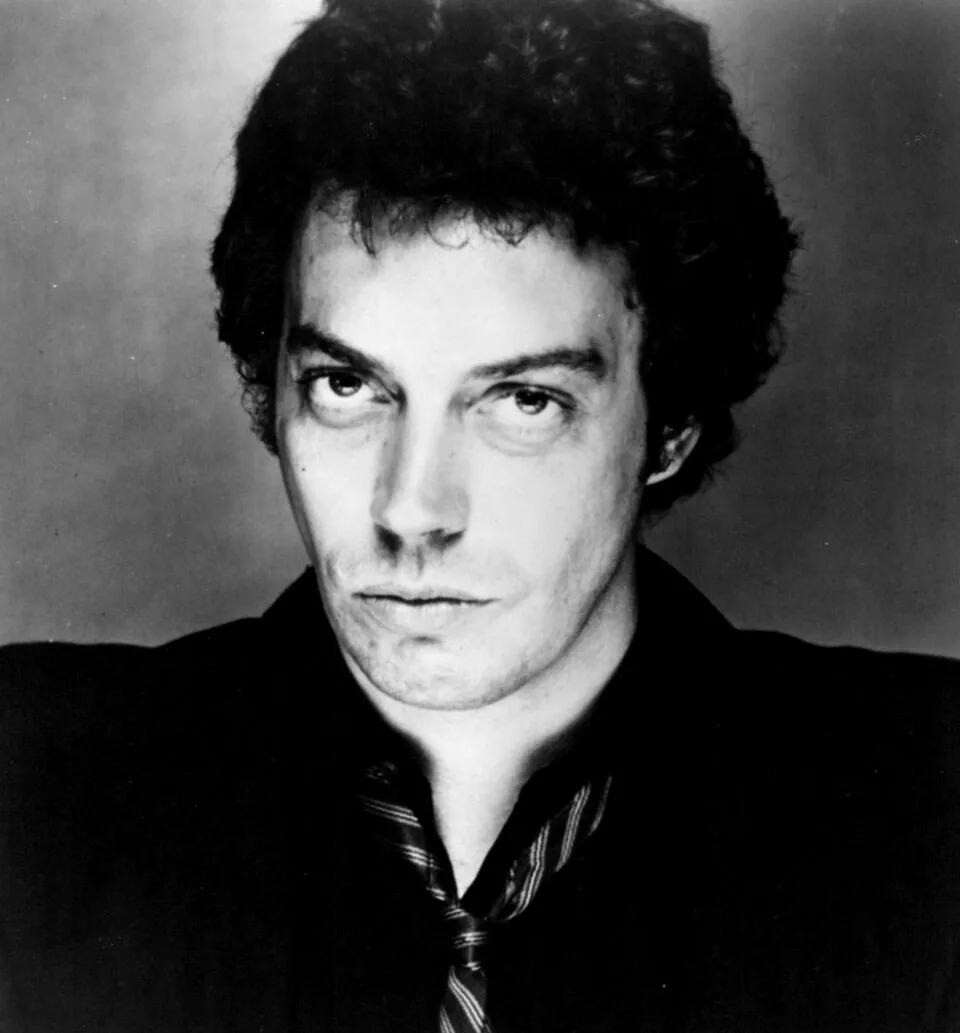
Tim Curry, the man who made fishnet stockings and a corset look like the most powerful outfit in cinema history, died on August 25 at his Los Angeles home. He was 80. His spokesman has now confirmed to the BBC that the cause was coronary artery disease, with a history of stroke and kidney cancer listed as significant contributing conditions on his Los Angeles County death certificate.
The Man, The Myth, The Fishnets
There are actors who define a role. Then there is Tim Curry, who defined an entire genre of human weirdness and made it irresistible. His spokesman confirmed the cause of death citing a death certificate filed in Los Angeles County, noting that the stroke he suffered in 2012 and a battle with kidney cancer were significant conditions that contributed to his passing alongside the coronary artery disease.
Curry was born in Warrington, England in 1946 and spent his career methodically collecting the most unhinged, beloved roles in popular culture. Pennywise the clown. Dr. Frank-N-Furter. The butler Wadsworth in Clue. Rooster in Annie. Long John Silver in Muppet Treasure Island. The man had range the way the Grand Canyon has depth.
He landed his first acting job after university, appearing in the 1968 London production of Hair. His Rocky Horror castmate Richard O'Brien then asked him to audition for a new musical he'd written. Curry said yes. The rest is midnight-screening history.
After the Stroke, He Just Kept Going
The 2012 stroke was severe enough that Curry spent years recovering and ultimately used a wheelchair for the rest of his life. He shifted his focus to voice acting, a career move he reportedly approached with genuine gratitude. According to People, Curry reflected on surviving: "If there was anything impressed upon me in the aftermath, it was just how remarkable it was that I was still alive."
That is not a man feeling sorry for himself. That is a man who understood exactly how close the margin was and chose to keep working anyway. He continued appearing at film conventions, staying generous with the fans who'd been quoting his lines for decades. His memoir, Vagabond, published just last year, addressed the stroke and his long recovery in detail.
Michael McKean, his co-star from the 1985 murder mystery comedy Clue, said this week that Curry had been in a "grim physical state" in his final years. And yet, McKean noted, the warmth never stopped. That tracks. People who knew Curry professionally keep saying the same thing: the man was the real article.
What Susan Sarandon and the Rest of Hollywood Said
The tributes came fast and they came genuine, which tells you something. Susan Sarandon, who starred alongside Curry in Rocky Horror, called him "funny, sexy, original" and noted that even wheelchair-bound, he "continued to be so sweet and generous with his fans." The BBC reports she led the tributes last week.
Luke Evans, another Rocky Horror alumnus, said simply: "There will only be one Tim Curry." No argument there. You do not manufacture that particular combination of theatrical menace, comedic timing, physical commitment, and sheer charisma in a lab. It either exists or it doesn't. In Curry's case, it existed in quantities that seemed almost unfair to the rest of the profession.
The Career That Refused to Be One Thing
The breadth of Curry's filmography reads like a dare. The 1990 TV adaptation of Stephen King's It gave him Pennywise, a role so effective that it lodged itself permanently in the nightmares of an entire generation and arguably set the template for every scary clown that came after. He played King Arthur in the Broadway run of Spamalot. He showed up in Home Alone 2, The Hunt for Red October, and Scary Movie 2.
This is what happens when a genuinely gifted actor refuses to be typecast even after landing one of the most iconic cult roles in film history. Most people who get famous for something that weird spend the rest of their careers running from it. Curry seemed to understand early that Frank-N-Furter was not a cage. It was a launchpad.
The original Rocky Horror Show opened in London in 1973, with Curry delivering the line "don't dream it, be it" to audiences who had no idea they were about to watch that phrase become a personal motto for several million people across multiple generations. The film version followed in 1975. The midnight screenings started and never really stopped.
The Dingo Take
Eighty years old, a stroke that should have ended his career at 66, kidney cancer, and a heart that finally gave out after carrying all that talent for eight decades. Tim Curry did not have an easy final chapter. He had a brutal one, and he spent it being kind to fans in a wheelchair while the industry kept moving around him. That is not a small thing.
The cultural footprint here is genuinely hard to overstate. Rocky Horror alone would have been enough for most careers. But Curry was constitutionally incapable of stopping at "enough." Pennywise. Wadsworth. Long John Silver. Cardinal Richelieu. The Grand Pabbie. The voice of Anatoly Knyazev. He stacked iconic performances the way other people collect receipts they'll never need.
What the tributes keep circling back to is not the performances, though. It's the person. Generous. Warm. Sweet to the fans even when the body was failing. Hollywood produces famous people constantly and decent human beings considerably less often. By all accounts Tim Curry managed to be both, which is rarer than any of the roles he played. Eighty years. Not enough. It's never enough for the ones who were actually doing something with the time.




Comments