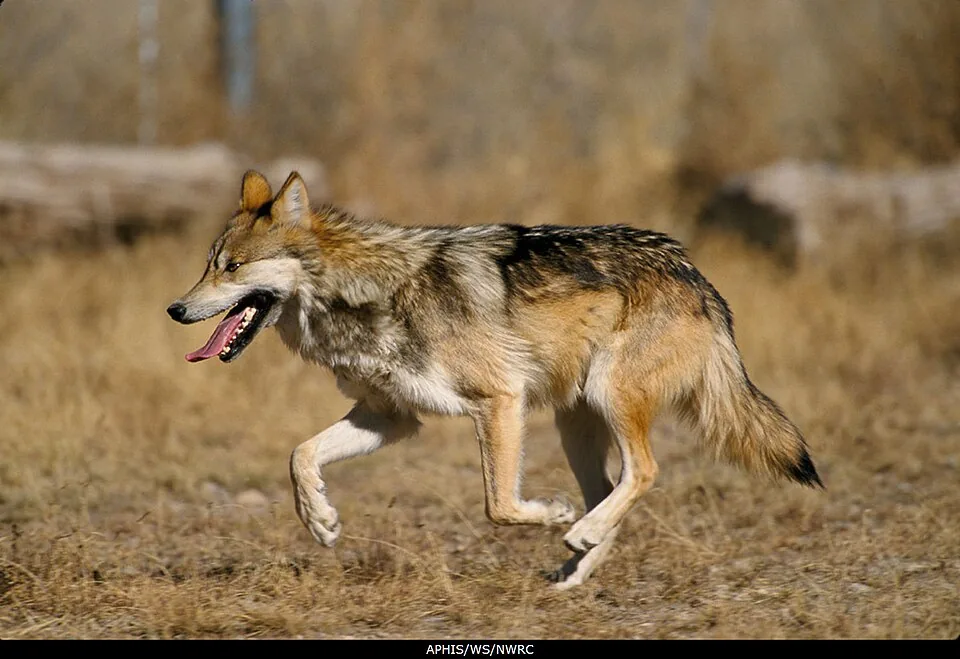
The Mexican wolf was down to four individual animals in the wild in 1998. Twenty-seven years of federal protection later, there are 319. Donald Trump signed an executive order this week that could end that protection entirely. Progress is, apparently, a threat.
What Trump Actually Signed
The executive order itself doesn't hand ranchers a hunting license tomorrow morning. What it does, according to BBC News, is give Interior Secretary Doug Burgum 90 days to determine whether grey wolf and Mexican wolf populations have recovered enough to be removed from the endangered species list. After that determination, the legal framework protecting them could collapse.
The order frames this as a food security issue. US livestock herds are at a 75-year low, beef demand has risen 10% over the past decade, and Trump's order declares that ranchers play a "vital role" in the food supply chain and American cultural heritage. All of that may be true. None of it explains why the solution is shooting wolves.
The Numbers That Make This Harder to Justify
Here is the actual situation with wolf populations in the United States right now. There are roughly 18,000 grey wolves across the country, per US Fish and Wildlife Service data cited by the BBC, but most of their original habitat has been destroyed by humans, which is why they remain classified as endangered. Eighteen thousand sounds like a lot until you understand that wolves once roamed virtually the entire continental United States.
The Mexican wolf numbers are even starker. Four animals in 1998. Three hundred and nineteen in 2025. That is one of the most remarkable wildlife recovery stories in American conservation history, built painstakingly over nearly three decades of federal protection and reintroduction programs. The executive order specifically targets this subspecies too.
And wolf attacks on livestock? Environmental groups point to studies showing they are rare and have minimal impact on rancher income. Under the current system, as the Wolf Conservation Center noted, ranchers are already entitled to up to 100% compensation for any livestock losses caused by wolves, with states running additional deterrence programs. The threat wolves pose to American ranching, in other words, is largely theoretical.
The Political Calculation Behind the Fur
So why do this? The BBC's reporting points to a context that makes the move look less like sound policy and more like a political pressure valve. Beef prices are at record highs. Trump's own administration loosened restrictions on beef imports to address those prices, which infuriated domestic ranchers who saw it as a gut punch to their already thin margins. Ranchers are angry. Ranchers are a core constituency. Wolves cannot vote.
Greta Anderson, deputy director of the Western Watersheds Project, didn't mince words about it. "This is a huge distraction to placate a handful of ranchers and make them believe that wolves are a greater threat than President Trump's own policies," she told the BBC. That is a fairly precise description of what appears to be happening here.
The administration is also facing record-high beef prices driven by drought and a parasite outbreak in US cattle stocks, problems that have absolutely nothing to do with wolves and everything to do with climate conditions and disease management. Strip the wolves of their protections and none of that changes. Beef doesn't get cheaper. Ranchers just get to kill wolves.
A Century of Extermination, Briefly Interrupted
The historical backdrop here matters enormously. The US government launched a systematic campaign to exterminate wolves at the end of the 19th century. Farmers, landowners, trappers, and federal agents working together nearly finished the job. The grey wolf and Mexican wolf populations were driven to the edge of total eradication. The Endangered Species Act, and decades of subsequent conservation work, are the only reason either population exists in meaningful numbers today.
Claire Musser, executive director of the Grand Canyon Wolf Recovery Project, told the BBC that growing population numbers alone don't mean the Mexican wolf is recovered. "Weakening federal protections now would put decades of recovery work at risk," she said. A previous attempt to de-list grey wolves at the federal level in 2022 got buried in litigation, and conservation groups have already signaled they're prepared to do the same if the Interior Department moves to act on Trump's order. That fight is coming.
The Dingo Take
You are supposed to look at 319 Mexican wolves rebuilt from four over 27 years and think: yes, now is the time to remove their federal protections. That is the position the Trump administration has staked out this week. It is not a policy position supported by livestock loss data, or beef price data, or any data that wasn't laundered through a political grievance.
What it is, transparently, is a consolation prize for ranchers furious about beef import policy changes the administration itself made. Trump created a problem for his own base, couldn't fully fix it, and decided to let them shoot wolves instead. The wolves had nothing to do with any of it. That's the part that should keep you up at night.
Conservation groups will sue, as they did in 2022, and they may well win again. But litigation takes time, and administrations that want to do damage don't always need to win in court to do it. The uncertainty alone is enough to chill recovery programs and embolden ranchers who've always viewed wolves as targets. Ninety days from now, Doug Burgum will issue a determination, and we'll find out how much of a century's worth of recovery work this administration is actually willing to burn.




Comments