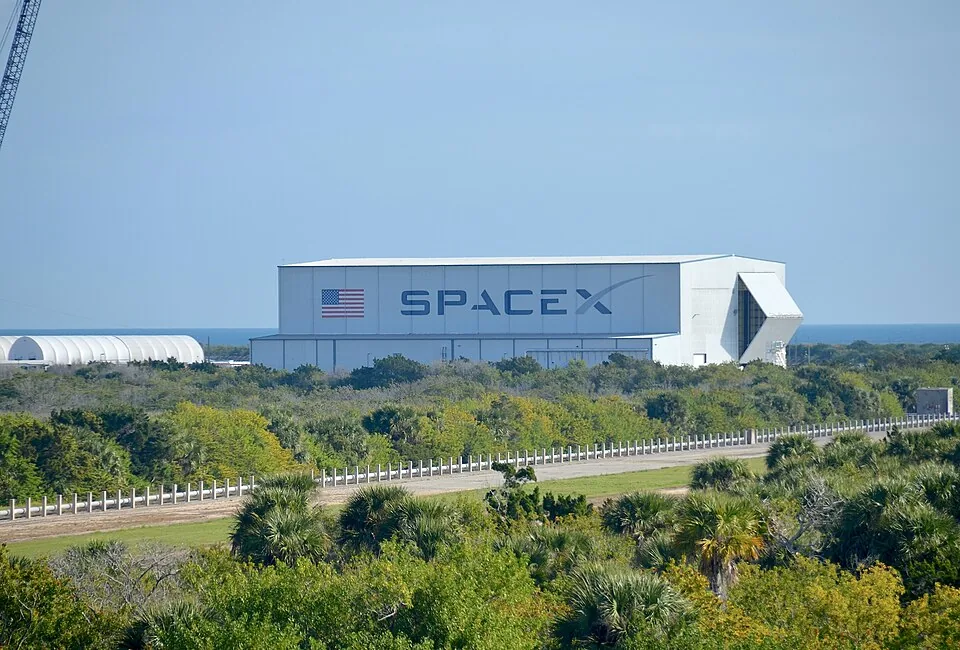
Louisiana Gov. Jeff Landry signed laws shielding SpaceX from property taxes, public records requests, and lawsuits over sonic booms, then thanked the lawmakers who helped him do it in secret. The people who actually live near the planned 125,000-acre rocket facility found out when everybody else did: at an invitation-only event in a wedding venue, watching an action-movie hype reel of Elon Musk descending from a helicopter to a techno soundtrack. Nobody asked them a thing.
What Louisiana Gave Away, and to Whom
According to NPR and the Gulf States Newsroom, SpaceX is building a facility in Vermilion Parish that could launch roughly 30 rockets per day. Thousands of launches per year. Five launch complexes. Housing for employees. Elon Musk, in his own promotional film, promised around 10,000 jobs. The state calls it a $100 billion investment.
Here is what Louisiana gave in return. Landry signed laws exempting aerospace companies from property taxes, from liability and nuisance claims related to noise, vibrations, heat exhaust and sonic booms, and from public records laws. SpaceX is covered by every single one of those exemptions. Records obtained by the Gulf States Newsroom show that in exchange for SpaceX paying Vermilion Parish about $25 million annually, the company avoids paying billions of dollars in property taxes over 25 years.
Billions. Over 25 years. For a company run by the richest man on earth.
The Louisiana Illuminator first reported on the financial terms. The deal, in summary, is that Louisiana taxpayers will subsidize one of the most valuable private companies in human history for a quarter century, and if a sonic boom rattles your windows or vibrates your foundation, you now have no legal recourse whatsoever.
The NDAs, the Secrecy, the Codename
State lawmakers who were involved in negotiating the deal signed nondisclosure agreements. The Gulf States Newsroom obtained those agreements through records requests. The project's codename was "Project Osprey," which is a bird, which is darkly funny given what SpaceX is about to do to the birds.
At the announcement event, Landry thanked those lawmakers by name. He also explained his reasoning for the secrecy with a candor that was almost refreshing in how unapologetic it was. "You think I want Texas to steal my thunder?" he said. "You think I want other states to know what we're working on?"
That is a governor explaining, out loud, that the reason he kept a deal affecting tens of thousands of his constituents secret from those constituents was competitive anxiety about other states. He did not mention transparency. He did not mention the people of Pecan Island. He mentioned Texas.
The Gulf States Newsroom has reported that Landry's use of NDAs around industrial development deals is not unique to this project. It is, apparently, how he does business. Louisiana's new economic development strategy: negotiate in secret, sign the papers, and present residents with a done deal and a hype video.
The People Who Actually Live There
Pecan Island sits about 45 minutes south of Abbeville. The residents there describe the surrounding coastal marsh in terms you don't often hear in press releases about economic development. Kim Nehrbass, who has a hunting and fishing camp on the island, called it a "paradise." She watched the SpaceX announcement on a livestream, like everyone else who wasn't invited to the wedding venue.
"He's thanking everybody for making it happen," Nehrbass told NPR. "He didn't ask anybody if they wanted to do it, the people of the state. He just ramrodded it through."
Nearby resident Brooke Broussard choked up talking about what the area means to her. "This is my source in a lot of ways," she said. "My life source, where I came from, where I was conceived, and I find a lot of strength here and I find a lot of strength in my family history here." Broussard said she knows the project isn't going to be stopped. The deal was done before anyone on Pecan Island had a say.
"I don't want the story to just be: 'Elon Musk came and conquered,'" she said. It is a good line. It deserves to be read more than once.
The Birds Will Come Back, Probably
Outdoor educator Gabe Giffin raised concerns about what 30 rocket launches a day might do to the Mississippi Flyway, one of the major migration corridors in North America. Millions of birds use this path heading south for the winter, and Vermilion Parish sits at a critical juncture. "This is the last ledge before they leap off," Giffin told NPR, looking out over the coastal wetlands.
SpaceX President Gwynne Shotwell addressed this concern at the announcement with an answer that has to be read in full to be appreciated. "Now the birds might fly away during a launch," she said, "but I guarantee they'll come back. And they come back right away, by the way. As soon as the rocket's gone, the birds come back. It's not like months later."
Broussard, who lives there, had a response. "Why would the birds come back?" she said. "They're smarter than us, in some ways."
For what it's worth: Shotwell offered no data, no study, no environmental review to back up her guarantee. Just vibes. Rocket vibes. The birds will be fine. Trust her on this.
Thirty Rockets a Day
It is worth pausing on the scale of what is being proposed here. Thirty rocket launches per day is not a space program. It is an industrial operation. A factory that happens to use rocket fuel. Louisiana Economic Development confirms five launch complexes are planned, along with residential housing for SpaceX employees essentially forming a company town on the Louisiana coast.
SpaceX says the launches will support Starlink satellite internet expansion and potentially power data centers in space. Musk has been pitching the idea of space-based data infrastructure for some time. Whether that vision materializes or not, Louisiana has already locked itself into a 25-year arrangement, written the exemptions into law, and handed over the liability shield. The commitment is real. The 10,000 jobs are a promise in a marketing video.
For context, SpaceX's existing facility in Boca Chica, Texas, has been the source of years of disputes with local residents, environmental regulators, and the Fish and Wildlife Service over impacts on wildlife refuges. Louisiana, having observed all of that, decided to exempt SpaceX from the relevant lawsuits before the first rocket even launches.
The Dingo Take
A governor who ran on cutting government red tape just handed a private corporation the most comprehensive legal immunity package Louisiana has ever given a single company. No property taxes for 25 years. No nuisance lawsuits. No noise complaints. No public records about how the deal was structured. If you built a factory next to someone's house and it shook their walls twice a day with sonic booms, you would be sued into oblivion. SpaceX will not be. Jeff Landry made sure of that, in secret, with lawmakers who signed NDAs, before a single resident of Pecan Island was consulted.
The people defending this deal will say jobs, investment, the future, competition with Texas. And look, economic development is real and it matters, especially in Louisiana, which has been losing population and industry for decades. None of that is in dispute. What is in dispute is whether any of this required the secrecy, the blanket liability shields, and the complete exclusion of the people most directly affected. You can want SpaceX in your state and still think the governor owed his constituents a conversation before signing laws that stripped their legal rights away.
Brooke Broussard doesn't want the story to be "Elon Musk came and conquered." She said that. She lives there. She has family history in that marsh. The deal is done, the laws are signed, and Musk already has his hype video. The least anyone can do is make sure her version of this story gets told alongside his.




Comments