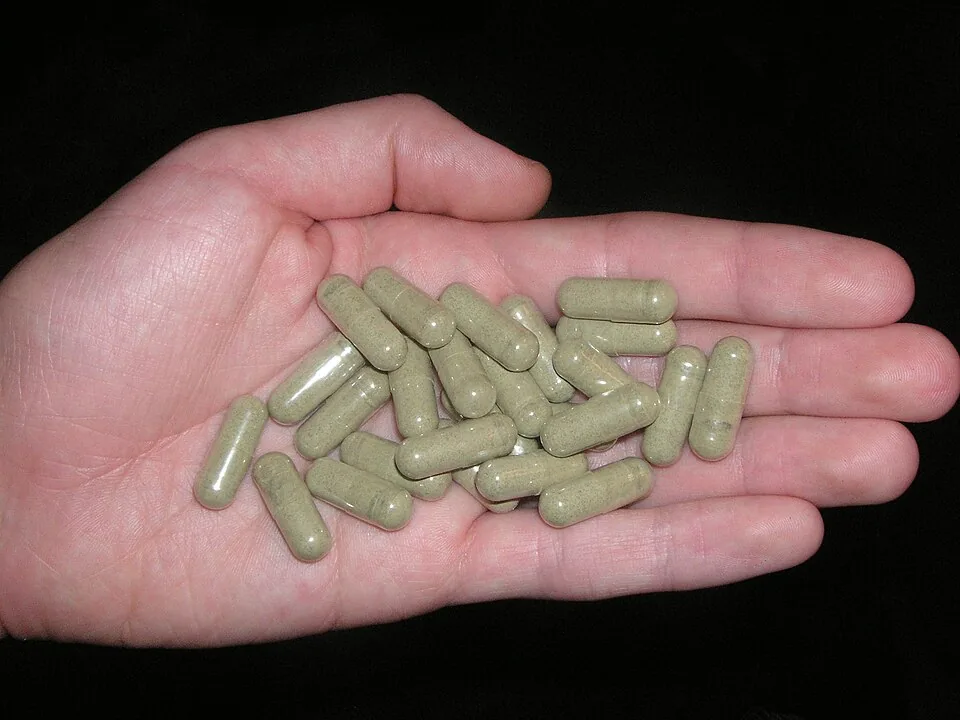
A store clerk in Oxford, Mississippi sold kratom pills to an undercover informant, warned him that 'people were dying from them,' hid the product when other customers walked in, then completed the sale anyway. Two University of Mississippi students were already dead. Federal prosecutors announced charges on Friday.
Two Students Dead, One Store at the Center of It
Aidan Hamilton, a freshman from Englewood, Colorado, and Robert Strang, a junior from Atlanta, were found dead on September 21 in different locations near the University of Mississippi campus, according to The Guardian. Federal prosecutors say both deaths appear consistent with drug overdoses, though toxicology reports were still being expedited at the time of the charges.
Bank records show Hamilton made multiple purchases in September from a vape, tobacco and beer store in Oxford. Investigators found opened packages of a kratom product labeled 'Smax' in his room, some pills already missing. A package of Smax turned up in Strang's room too, though the affidavit notes he apparently bought his from a different store.
The Clerk Knew. He Sold It Anyway.
On September 24, three days after the students were found dead, investigators sent an informant into the Oxford store. The clerk, 51-year-old Yahya Mohamed Mosleh, sold the informant kratom-based pills and told him to 'be careful taking the pills because people were dying from them,' according to a DEA affidavit cited by The Guardian. When other customers entered the store mid-transaction, Mosleh told the informant to be quiet and pushed the pills out of sight. Once the other customers left, he finished the sale and repeated the warning.
Authorities then detained Mosleh and his 18-year-old son, Islam Yahya Mosleh, who was working the counter at the time. Both were charged with one count of possession with intent to distribute a controlled substance. Their attorneys said they had no comment. A magistrate judge ruled there was sufficient evidence to proceed with charges.
What Exactly Is Kratom, and Why Is This Complicated
Here's where it gets legally messy. Kratom itself, derived from a tree native to southeast Asia, is legal at the federal level. The Guardian reports that proponents describe pure, ground-leaf kratom as a natural supplement that can help with pain, anxiety, depression, and opioid withdrawal symptoms. That version of the argument has real support among harm-reduction advocates.
But what was allegedly sold at this store wasn't that. In August, the DEA banned three kratom-related compounds. According to the DEA agent's affidavit, one of those newly banned compounds was listed as an ingredient in the Smax products seized from both the Oxford store and Hamilton's dorm room. That's the legal hook the federal charges hang on: not kratom itself, but the synthetic derivative compounds the DEA specifically prohibited just weeks before these students died.
Eleven states have outright banned kratom. Mississippi has regulated it, requiring buyers to be 21 or older. Oxford itself has implemented its own city-level ban. So Mosleh was allegedly selling a product containing a federally banned compound, in a city that had banned kratom entirely, to what bank records suggest was at least one college freshman.
Where the Investigation Stands
The Lafayette County metro narcotics unit confirmed Thursday that the investigation remains active and that additional charges are possible, The Guardian reports. Mississippi Governor Tate Reeves issued a statement on September 23 saying two state agencies were working to fast-track toxicology reports for the two students.
It is still not confirmed that the kratom products directly caused either death. That caveat matters and is worth holding onto. But federal prosecutors clearly believe the connection is strong enough to pursue criminal charges, and the DEA's involvement signals this is being treated as more than a local matter. A drug taskforce in Mississippi had already issued public warnings urging people to avoid kratom products before the charges were announced.
The Dingo Take
Picture a weed dispensary owner in a legal state selling someone a product, hearing that two people had just died nearby after buying it, watching a customer walk in three days later, and completing the sale while warning the customer that the product might kill them. We would have wall-to-wall coverage. There would be congressional hearings. Tucker Carlson's ghost would have something to say about it. Instead, we have a brief about kratom derivatives in Mississippi that most people will skip past because they don't know what kratom is.
The detail that should stop everyone cold is simple: this man allegedly knew. 'Be careful because people were dying from them' is not a legal disclaimer. That is a confession dressed up as customer service. Whatever the toxicology reports ultimately show, a store clerk who had apparently heard that people were dying from his product looked at an undercover buyer and completed the transaction anyway. His son was standing right there behind the counter.
Two young men are dead. Their families are waiting on toxicology reports that will tell them something they probably already know in their bones. The synthetic kratom compounds that ended up in those dorm rooms were barely a month into being federally banned. The city of Oxford had banned kratom itself. None of that stopped anyone. And the clerk's instinct, apparently, was not to pull the product. It was to hide it when other customers came in and then push it back across the counter. That's the part that should make you furious. Not confused. Not uncertain about drug policy nuance. Just furious.





Comments