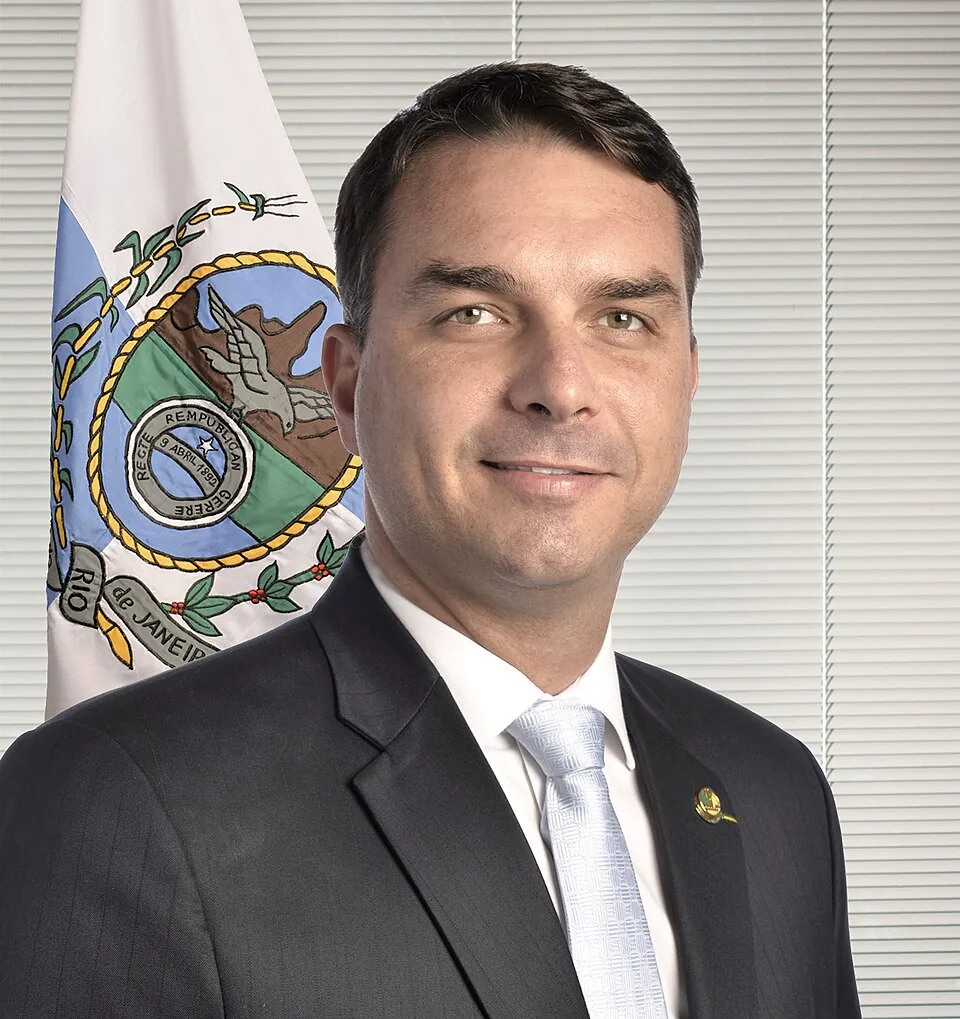
Brazil is headed for another Lula-Bolsonaro runoff, and the Bolsonaro on the ballot this time just outperformed his father's first-round numbers by nearly four points. Flávio Bolsonaro won São Paulo and Minas Gerais, a state that has picked the national winner in every presidential election since 1989. Meanwhile, the guy whose last name is the whole brand is nowhere near the ballot, and the brand is doing fine.
The Son Rises
According to CNN, Lula and Flávio Bolsonaro together took more than 92% of the vote on October 4, which tells you how thoroughly these two camps have swallowed Brazilian politics. Neither cleared the 50% threshold, so the runoff is set for October 25.
Here's the part that should make Lula's team stop eating the pastries. CNN reports that Bolsonaro exceeded poll projections and secured nearly four percentage points more than his father managed in the first round in 2022. He didn't just inherit the family movement. He may have grown it.
The campaign leaned on crime and the economy, two issues that don't require a degree in political science to understand. He used his father's image heavily while also trying to pitch himself as the more moderate model. Same product, smoother packaging.
Minas Gerais Is Not a Great Place to Be Losing
CNN points to the Southeast as the crucial battleground, since nearly 40% of the electorate lives there. Flávio took both São Paulo and Minas Gerais. The Minas Gerais win carries real symbolic weight because the state has voted for the eventual winner in every presidential election since Brazil's first direct vote after military rule.
Lula pulled 43.21% there. In the first round of 2022 he got 48.3%. That is not a dip. That is a trapdoor.
CNN also notes Lula didn't hit the margin his campaign wanted in the Northeast, his main stronghold. When your base is underperforming and the swing states are drifting away, the question CNN puts to him gets harder to dodge: can his record and legacy still deliver a majority?
Math Problems for the 80-Year-Old
The eliminated candidates collectively took 7.82% of the vote, and CNN says most of that went to center-right or right candidates. Guess which finalist that helps. Not the one with the red star.
There's also the 21% of eligible voters who skipped the election entirely. CNN calls abstention a potentially decisive reservoir of votes, and whoever can drag those people to the polls could tip a tight race. Polls before Sunday had the two tied in runoff scenarios, so tight is the operating assumption.
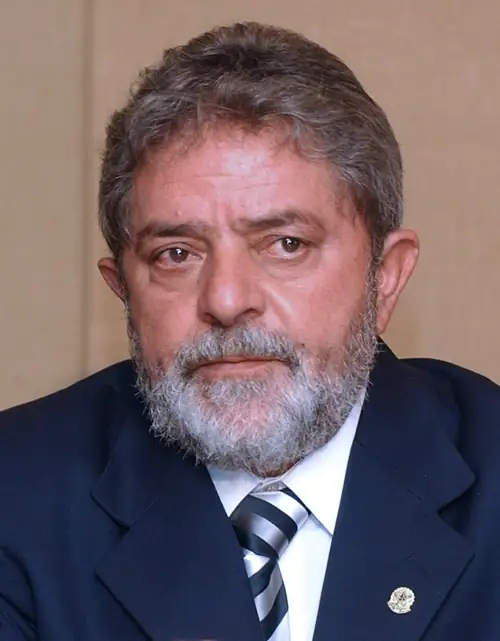
Lula, 80, is also fighting voter anxiety over purchasing power and crime, plus controversies around figures close to him that CNN describes as scandals. If he wins, CNN notes, it will likely be his last term. That's a lot of pressure for a guy who has to out-organize a son with momentum.
Bolsonaro Brought Friends
The presidency isn't the only thing Flávio's side won. CNN reports his party and allies picked up numerous Senate seats and governorships in key states. A Bolsonaro presidency would arrive with real legislative and regional muscle behind it, which is the difference between governing and just yelling from the Planalto Palace.
The expected runoff script is already written. CNN says Lula will frame it as a referendum on democracy, while Bolsonaro will hammer tough-on-crime rhetoric and corruption allegations against Lula and his party. One side says the republic is on the line. The other says your neighborhood is on the line. Both of those sell.
Trump Is Trying Very Hard to Look Like He's Not Watching
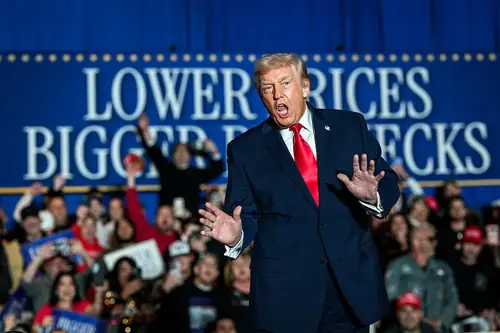
CNN reports that Trump openly endorsed Bolsonaro earlier in the campaign, has welcomed him to the Oval Office, and has imposed punitive tariffs on Brazil. International relations expert Farid Kahhat of the Pontifical Catholic University of Peru told CNN the tariffs appear to have a purely political motivation.
The president has gone quiet lately, and Kahhat says that's strategy, not restraint. Brazil is the world's tenth-largest economy and far less dependent on Washington than neighbors like Honduras or Colombia, so open meddling could backfire. Political scientist Manuel Alcántara Sáez told CNN another Trump intervention could actually help Lula, who has been waving the banner of national sovereignty.
CNN also notes that since Trump returned to the White House, no left-wing candidate has won a presidential election in Latin America. Washington wants Brazil to be next on the list, to help impose what CNN calls the "Donroe Doctrine" and contain China's influence. Subtle, it is not.
The Dingo Take
In 1980, nobody in Washington asked whether the Kennedys could survive without Ted, because Ted was never the movement. The name was. Brazil's right just ran that experiment in reverse, and the result is a Bolsonaro who doesn't need Bolsonaro to be on the ballot. The father is the logo. The son is the franchise operator, and the franchise is expanding.
Lula's problem is not mysterious. People are worried about prices and about crime, and the incumbent's coalition is leaking support in the exact states that decide elections. Calling the runoff a referendum on democracy is a fine closing argument if voters are afraid of authoritarianism. It is a much weaker one if they're afraid of their grocery bill and their street at night. Those voters will shrug and ask what you've done lately.
And then there's Trump, the guy who endorsed Flávio, slapped tariffs on the country, and now has to pretend he's just a curious bystander. His best contribution to this race might be keeping his mouth shut, which, historically, he has not been great at. If he can manage three weeks of silence, Lula loses his best campaign prop. If he can't, Lula gets to run against Washington, and that might be the only thing that gets him over the line.


Comments