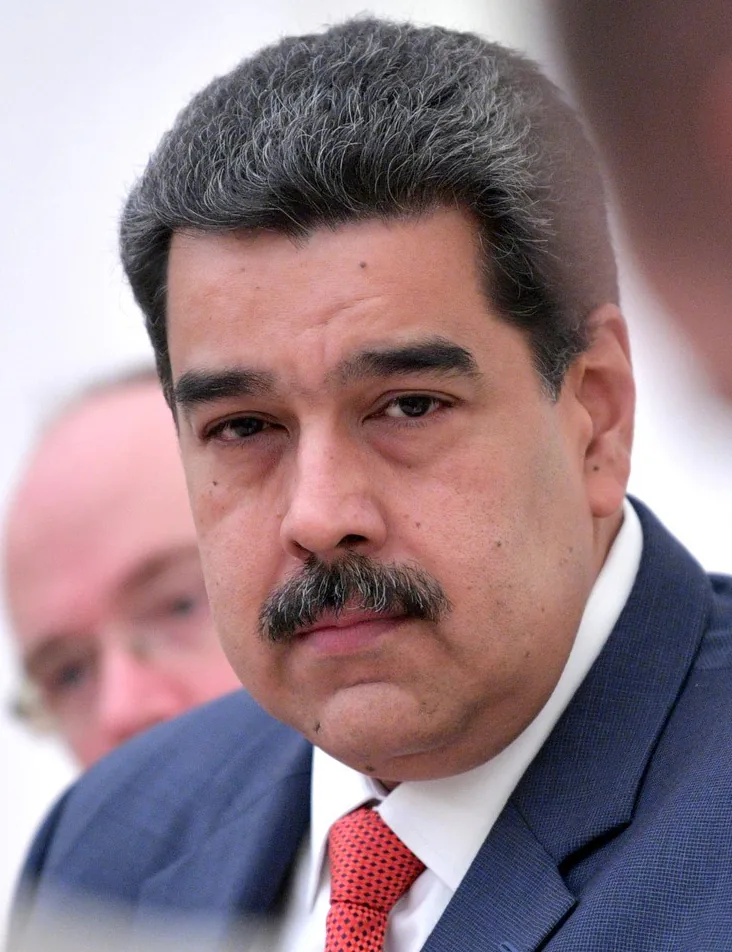
Cilia Flores, wife of the deposed Venezuelan president, walked into a Manhattan courtroom Thursday begging for house arrest because her heart is failing her. Prosecutors, meanwhile, were reportedly lining up a press conference to announce fresh charges tied to the alleged torture of Americans. Nine months after a middle-of-the-night raid in Caracas, the Maduro case is somehow getting bigger, stranger, and legally shakier all at once.
A Heart Condition Meets a Federal Prosecutor
Flores, 69, has been held at the Metropolitan Detention Center in Brooklyn since early January, when U.S. forces seized her and Nicolás Maduro from their home in Caracas. Her lawyers, as reported by the New York Post, say she has lost 25 pounds behind bars, suffers from lightheadedness, dizziness, and shortness of breath, and may have had a minor heart attack in July.
She has also been told she might need heart surgery. Her attorneys say she has mitral valve prolapse, gets monthly injections for it, and could need cardiac catheterization that might lead to more invasive procedures. She was also recovering from a complete hysterectomy when she was arrested.
Her lawyers argue that a jail cell, "despite best efforts," is inadequate for recovery from cardiac surgery. That is not a sentence anyone writes lightly, and it is going to be hard for a judge to wave away.
The Proposed House Arrest Comes With Armed Guards
This is not a request to go home and put her feet up. The defense proposed home confinement at a New York residence with GPS monitoring, round-the-clock armed surveillance, surrender of her travel documents, and a court-approved third-party custodian.
Their pitch on flight risk is almost touching. Flores, her lawyers say, is not going anywhere because she is "intent on supporting her husband with her constant presence." Translation: she wants to be near the guy in the next cell block, and she can't exactly hop a flight to Caracas when the American government is the one that grabbed her from it.
Prosecutors are not buying it. They wrote that she would pose an "extreme risk of flight and danger to the public," and noted that when she needed hospital care, the jail took her to a local hospital.
New Charges Are Reportedly Coming Thursday
Here's where the day got interesting. Fox News reported that Maduro and Flores could face additional charges tied to the alleged torture of Americans, with U.S. Attorney Jamie McDonald expected to speak after the 10:30 a.m. hearing.
Those charges would stack on top of an already enormous case: cocaine trafficking, narco-terrorism, and weapons offenses. Both defendants have pleaded not guilty. If convicted of the cocaine importation conspiracy alone, they face potential life sentences.
The timing is hard to miss. A defendant asks for mercy on medical grounds, and the government shows up with a bigger indictment. Whether that is coincidence or choreography, it tells you prosecutors have no intention of making this easy.
The Immunity Fight Is the Real Case
Underneath the heart drama sits the question that could blow the whole thing up. Both defendants want the case dismissed on the grounds that a sitting head of state and first lady of a foreign country are immune from American prosecution. Maduro has called himself a prisoner of war and his capture a kidnapping.
Prosecutors have a blunt answer. The U.S. has not recognized Maduro as Venezuela's head of state since January 2019, and Venezuela has not asserted immunity on his behalf. In their words, the defendants are "former rogue officials of a formerly rogue state with no entitlement to immunity." They also argue sovereign immunity is "a matter of grace and comity," not a constitutional restriction, and that running a cocaine pipeline is not a legitimate government function.
Maduro's team is also attacking the narco-terrorism count, arguing prosecutors haven't met the elements of the charge. The government counters that the drug activity had a "nexus to and intended effect on the United States."
Flores Says She Was Thrown Into Furniture
One detail in the defense filing deserves attention. Flores's lawyers say she suffered permanent scarring when she was "thrown against a wall or dresser" during the military operation that captured her.
The Trump administration has defended the raid as a "surgical law enforcement operation." Those are two very different descriptions of the same night, and a judge may eventually have to decide which one holds up. Surgical operations, as a rule, do not involve the patient getting tossed into a dresser.
None of that erases the allegations against her, which are serious and unproven. But how a defendant was brought into custody tends to matter, and the government is inviting scrutiny by wrapping a foreign leader's abduction in the language of ordinary policing.
The Dingo Take
This case is a legal stress test the country volunteered for. The United States sent a military force into a foreign capital in the dead of night, hauled out a head of state and his wife, and now wants a Manhattan courtroom to treat it like a routine drug bust.
Maybe the evidence is overwhelming. Maduro ran a repressive government, and the cocaine allegations have been around for six years. Nobody needs to cry for him. But "he's a bad guy" has never been the legal standard, and the precedent here cuts both ways. If Washington can seize a foreign leader because it declared him illegitimate, what stops the next administration, or the next country, from doing the same to ours? The government's immunity argument leans heavily on one thing: we stopped recognizing him in 2019, so he doesn't count. That is a convenient trick, and it is not a principle.
As for Flores, a sick 69-year-old with a documented heart condition asking for armed-guard house arrest is not a crazy request, and a judge can grant it without declaring her innocent. If the government's reply is to announce bigger charges on the same morning, it hasn't stopped making this a show. Make the case, in a courtroom, with evidence, and let the jury do the rest.





Comments