
The people building the most powerful software on Earth are holding private meetings about what happens after it helps someone shut off your bank access, your internet, or your water. Axios reports that top executives at Anthropic, OpenAI and other AI companies are gaming out the public and political revolt that follows a catastrophic AI event. Note the verb. They are not gaming out how to prevent it.
The Scenario Planning Nobody Asked For
Here is what the reporting lays out. These executives anticipate a large-scale event, most likely a cyberattack, that knocks out access to financial services, internet connectivity, or even power and water. They expect it to be the first major example of real-world harm caused by unsafe AI.
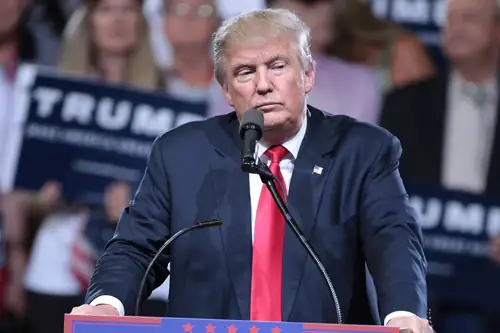
And they have a pretty clear picture of what comes next. An already wary public turns harder against the technology and the people selling it, including Anthropic CEO Dario Amodei and OpenAI CEO Sam Altman. The backlash also lands on President Trump, whom the reporting ties to a reluctance to rein the industry in.
So the plan is a plan for the blame. Somewhere in a conference room, someone is asking what the messaging looks like when the taps go dry.
Prediction Is Not Prevention
Let's be fair for one second. Planning for a disaster is not the same as wanting one. Emergency managers game out hurricanes every year, and nobody accuses them of ordering the storm.
But emergency managers do not also sell the hurricane. These executives are the ones building the systems, setting the release schedules, and lobbying over how much oversight they will tolerate. When the people with their hands on the controls tell you privately that a catastrophe is likely enough to rehearse, that is not a weather forecast. That is a confession about the schedule.
If you believe a cyberattack on the water supply is plausible enough to workshop the political fallout, the obvious next question writes itself. Why are you still shipping?
Trump Gets a Starring Role in His Own Blame Game
The administration shows up in this story as part of the problem. The reporting points to Trump's reluctance to regulate the industry as a reason the public's anger would reach the White House too.
That tracks. This is an administration that has spent its time treating AI oversight like a personal insult, and treating the companies building the technology like friends who deserve a favor. Deregulation is easy to sell when the product is a chatbot that writes your emails. It gets harder when the product is attached to the grid.
The executives know this, which is why they are planning for a public that looks up and asks who was supposed to be watching. The honest answer is nobody. That was the idea.
The Public Is Already Wary, and Nobody Is Surprised
The reporting describes the public as already wary of the technology. Of course it is. People have been told for years that AI will take their jobs, flood their feeds with fake garbage, and maybe, if the founders' own warnings are to be believed, do something much worse.
The industry's pitch has been a strange one. We are building something that could be dangerous, so trust us to build it, and please do not slow us down. It is the only business model where the sales brochure doubles as a hostage note.
Now the same people are quietly preparing for the moment that wariness turns into a revolt. They are not panicking about the harm. They are worried about the pitchforks.
What the Day After Looks Like for Everyone Else
The scenario the executives are rehearsing is the one regular people dread. Your bank app stops working. Your phone shows no signal. The power flickers and stays off, or the water pressure drops to nothing.
None of those people were in the room. None of them signed off on the risk. They will find out about the whole arrangement the way everyone finds out about these things, which is when it breaks.
And when it does, the companies will have a response ready. It was drafted in advance, workshopped by experts, and approved by people with excellent lawyers. The affected public will get an apology that took more planning than the safeguards.
The Dingo Take
Somebody in Ohio is going to be sitting in a dark house with a dead phone, a frozen bank account, and a tap that coughs air, and nobody asked her whether any of this was a good idea. She did not attend the private meetings. She did not get a vote on the release schedule. She will get a press statement.
That is the real story here. The people building this technology have looked at the worst-case scenario, decided it is likely enough to prepare for, and chosen to prepare the cleanup narrative instead of the brakes. You cannot call yourself a responsible steward of a technology you privately expect to cut off a city's water.
If the executives believe their own forecast, they should say it out loud, in public, and then explain why they are accelerating anyway. If they do not believe it, they should stop holding the meetings. Pick one. Anything else is just a very expensive way of saying the quiet part to each other and the loud part to investors.



Comments