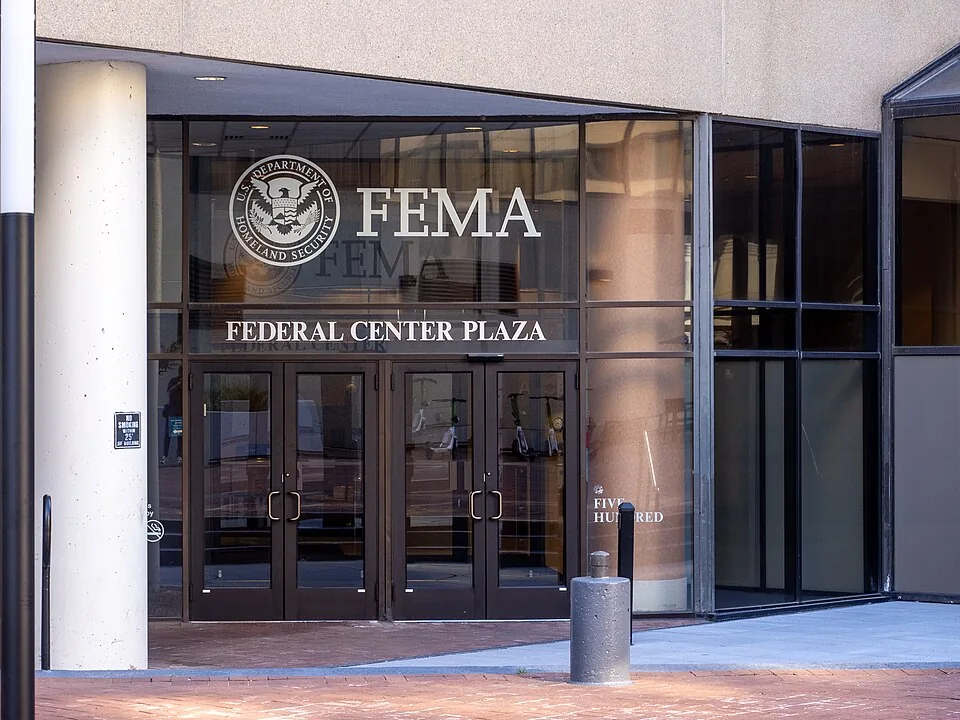
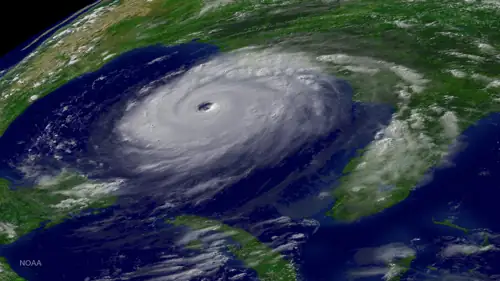
Hurricane Isaias is expected to hit Florida and Alabama late Friday or early Saturday, and for the first time since the Trump administration started taking a chainsaw to FEMA, we get to find out what's left. More than 4,300 employees walked out the door in fiscal year 2025, roughly 17% of the workforce, and nobody planned which 17% it would be.
The Math on Who Walked Out
Here are the numbers, courtesy of a recent Government Accountability Office report that The Guardian dug into. FEMA lost more than 4,300 employees in fiscal year 2025. That's about 17% of the entire agency. Chris Currie, the GAO's director of homeland security and justice, said the reductions were not carried out systematically to make sure FEMA could still meet its legal obligations.
Read that again. The agency whose entire job is showing up on the worst day of your life was shrunk without anyone checking whether it could still do that job. Somewhere, a Jenga tower is feeling very seen.
The People Who Know Where the Bodies Are Buried
The cuts didn't just hit headcount. A big chunk of the reduction came through early retirement, which means the people heading for the exits were disproportionately the ones who had actually been through the worst disasters. From January 2025 to January 2026, 58 senior executive service employees left FEMA. In the three fiscal years before that, the agency averaged about 13 such departures per year.
That's more than four times the usual rate of senior leadership walking out. And one of those departures was the regional administrator for Region Four, who oversees eight states, including Florida and Alabama. Those are the two states where Isaias is about to make landfall. You cannot write this stuff.
Deanne Criswell, who ran FEMA under Biden, put it plainly. Her biggest concern is the loss of institutional knowledge, because you lose the people who have lived through these big disasters before. You can hire a new person in a month. You cannot hire twenty years of hurricane scar tissue.
Everything's Fine, Says the Press Statement
FEMA's written response to The Guardian was a masterpiece of the genre. It said the agency is actively monitoring and preparing, that safety is DHS's top priority under President Trump and Secretary Mullin, that incident management assistance teams are deploying to Alabama and Florida, and that supplies are being prepositioned at Maxwell Air Force Base in Montgomery.
To be fair, that's real stuff and real stuff matters. Gulf officials say they're ready, and Florida's emergency management director said coordination with federal partners has been very close. Governors in Florida, Georgia and Alabama have declared states of emergency. Louisiana and Mississippi officials said FEMA gave them full support during Tropical Storm Arthur earlier this year.
So nobody is saying FEMA won't show up. Currie said it directly: they're going to respond. The question is the depth of that response, and whether anyone tested the bench before cutting it in half.
One Storm Is a Test. Two Storms Is an Exam.
Here's where it gets uncomfortable. Currie warned that FEMA could get stretched thin fast if it has to handle more than one disaster, and El Niño is strengthening as the agency heads into fall and winter. Remember 2024, when Helene and Milton hit Florida less than two weeks apart? FEMA deployed 13,500 employees and still strained its capacity. That was before the cuts.
As of June, FEMA had active recovery efforts tied to more than 1,000 open emergency disaster declarations. If a second disaster hits, Currie said, the agency would likely have to yank staff off those existing recoveries and put them on hold. So the family still gutting their flooded kitchen from last year gets bumped for the new emergency. Even though it's been a quiet hurricane season, Currie noted, it could still be a busy disaster season.
The Paperwork Is Also Drowning
The staffing is only half of it. Last month a federal judge ruled that the administration's plan to cut FEMA staff by 50% was unlawful. So the plan to halve the agency was illegal, and it was still partly carried out anyway. Efficiency!
Meanwhile, an analysis by the Texas Tribune found that most major disaster declarations in 2026 came a month after the initial request, about three times longer than average. A month. For a declaration. During hurricane season.
Ginny Goldman, founder of Rebuild: the National Disaster Survivors Association, says survivors of this summer's flooding in Texas Hill Country still haven't received FEMA individual assistance. Trump posted on Truth Social that the federal government would send $50 million for disaster recovery. "Where is it at?" Goldman asked. "What about the folks struggling to get back on their feet?" Fair question. A Truth Social post doesn't put a roof back on anything.
The Dingo Take
Imagine a Democratic administration cut 17% of the agency that handles hurricanes, bled out the senior leadership, got told by a federal judge that its plan to slash another chunk was illegal, and then a Category-whatever storm lined up on Florida and Alabama. Fox News would have a countdown clock in the corner of the screen. There would be hearings by Tuesday. Every Republican governor on the Gulf would be on camera demanding someone's head. Instead we get a polite wait-and-see, because the people in charge of the wreckage are on the right team.
To be clear, the Gulf states say they're ready, FEMA is deploying teams, and with any luck Isaias comes and goes and everyone gets to say the system worked. But a system that works because you got lucky is not a system. It's a coin flip with a press office. Experts are calling this the biggest test of the agency since the cuts, and you don't get to grade your own test after you've fired half the teachers.
The real answer comes when the second storm shows up, or the third, while Texas flood survivors are still waiting on checks. Disasters don't care about the budget memo or the loyalty oath. They just arrive. And the people who cheered for shrinking the government are about to find out exactly how much government they were counting on.


Comments