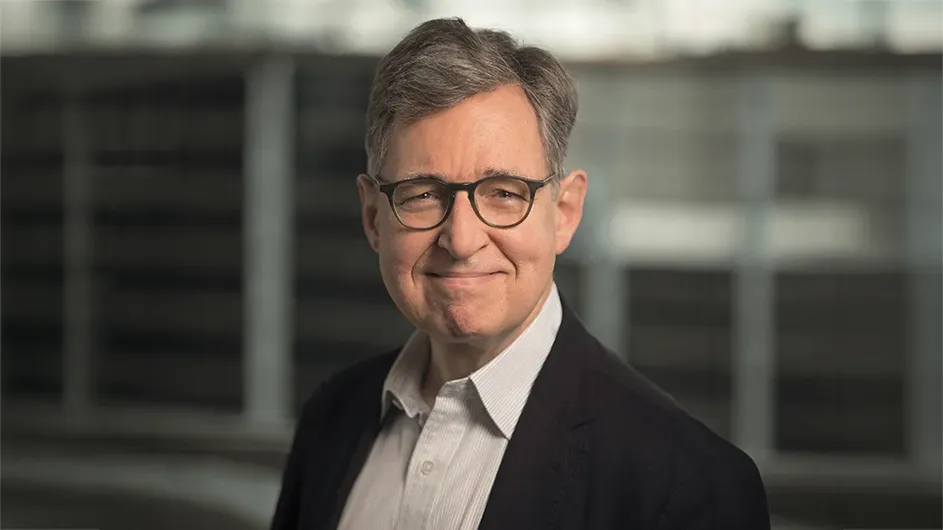
A newly minted Nobel laureate in economics took a groggy phone call from Stockholm, then spent five minutes on NPR calmly explaining why prices behave the way they do. Along the way, Michael Woodford of Columbia University said it is "to some extent, a failure of public policy to not have kept a better lid on things." That is about as close to a mic drop as a Nobel economist gets.
The Prize Nobody Wanted to Wake Up For
Woodford and Stanford's Robert Hall are the two Americans honored this year for their work on bringing stability to the cycles of economic boom and bust, according to NPR's All Things Considered. When the call came, Woodford admitted he wasn't exactly sparkling. It was six hours later in Stockholm, he was trying to sleep, and his wife told him he didn't sound very enthusiastic.
He was, in his words, "at best, half awake." Relatable. Most of us would also fail to appreciate a life-changing phone call that arrives before sunrise, and most of us haven't spent decades studying how the world makes up its mind about what things should cost.
Prices Are Basically Vibes With Math
Here's the core idea, and it's more useful than it sounds. People and businesses don't just react to what's happening right now. They guess where things are headed, and they act on those guesses.
Woodford used the example of a trucking company facing a sudden diesel spike. If the company thinks the spike is temporary, it often won't touch its prices. If it thinks the spike is here to stay, it prices that in fast. The decision runs on forecasts and fears as much as on the invoice sitting on the desk.
That sounds abstract until you remember what a price tag actually is. It's a bet on the future that you make a customer pay for in the present.
The Business Owner Who Raised Prices Because He Was Scared
Host Ailsa Chang brought up a real example. The president of the Cleveland Federal Reserve Bank said a day earlier that she'd heard from a business owner planning to raise prices by more than his costs have actually risen, because he expects costs to keep climbing.
That is the exact scenario Woodford's work warns about. A guy bumps his prices extra because he's afraid of what's coming. His customers get hit. Their other suppliers watch the news and get the same idea. Suddenly the fear has paid for itself, and everybody's bill is higher because everybody expected it to be.
Woodford's answer was measured. What people expect matters enormously, he said, which is why policymakers should communicate honestly about what they intend to do, so expectations don't drift away from reality.
The Polite Question About Who's Doing the Communicating
Chang then asked the obvious follow-up. Woodford has long argued that policymakers should communicate clearly, accurately, and in proportion so families and businesses can plan. So how are Congress, President Trump, and the Federal Reserve doing on that front?
Woodford did what Nobel laureates do when they'd rather not name names. He said it's a challenging job and that he didn't want to imply he could do it better. Then he delivered the actual verdict anyway: policymakers "often don't think as much as they should about how important this is to their role," and too many of them figure it's enough to react to whatever happens once it happens.
He added that predictable behavior has "big benefits for the economy," because people can see a pattern they can count on. Read that sentence again while thinking about an administration whose signature economic tool is announcing a tariff on Tuesday and un-announcing it by Friday.
A Failure of Public Policy, Said Very Quietly
Chang asked what Woodford would tell people who feel unsettled about the economy and focused on affordability. He declined to tell anyone to calm down. Economists shouldn't do that, he said, and it's appropriate for the government to show it's watching prices.
Then came the line that matters. "To some extent, it's a failure of public policy to not have kept a better lid on things."
He said it gently, wrapped in the soft language of a man who was just handed the highest honor in his field and still has to eat lunch in this town. But a Nobel winner calling the price situation a policy failure, on public radio, the week he won the prize, is not nothing.
The Dingo Take
A Nobel laureate said on the radio that keeping a lid on prices is part of the government's job, and that the job has not been done well. He said it politely. He said it while half-asleep. It was still the most direct economic assessment anyone in public life has offered this week.
The man's career is built on a simple point: people plan around what they expect, so a government that behaves unpredictably makes everything cost more. Businesses pad their prices against chaos. Families brace for the next surprise. Anyone who has watched this administration run economic policy by mood swing already knows what that looks like at the grocery store.
So here's the thing. You don't need a Nobel to understand that fear raises prices. You do apparently need one to get anyone in Washington to say "failure of public policy" out loud, and even then, he had to be asked twice. Maybe the next prize can go to whoever finally makes the people in charge pick up the phone, even before sunrise.


Comments