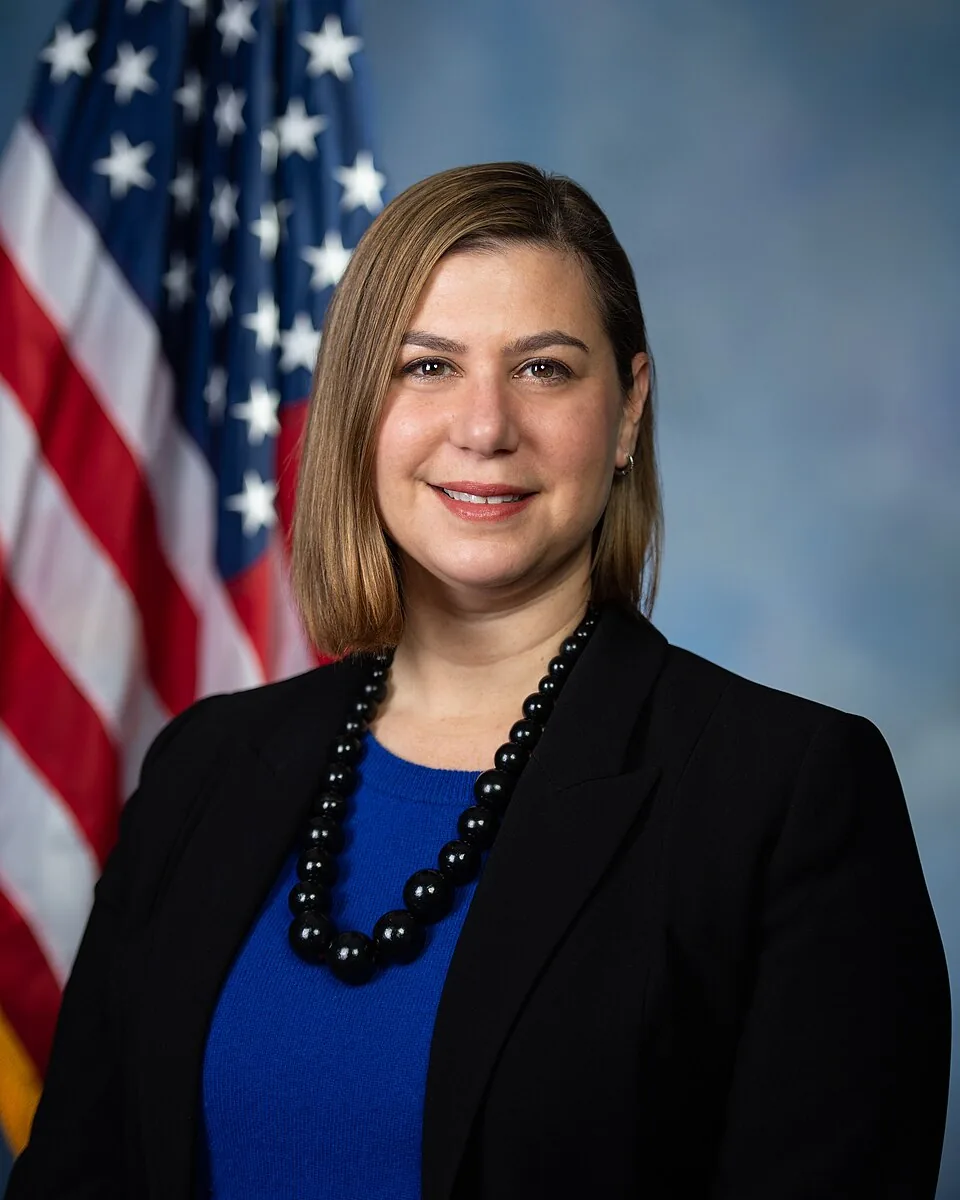
Sen. Elissa Slotkin told a University of Chicago audience she wants college grads to look at a job in the Trump administration and think, "Lord, that might be buying myself a ton of problems I don't want." The clip went viral, conservatives screamed "Bolshevik," and the president spent the same week musing about a pardon spree that might include himself.
What Slotkin Actually Said
Let's start with the quotes, because the quotes are the whole story. Speaking at a University of Chicago event last week, the Michigan Democrat and former CIA analyst said she wants young people leaving school to ask whether working for Trump "sounds fun," and then recoil. "I want that deterrence message sent," she said, per the New York Post, which first flagged the remarks.
She also laid out a strategy. Democrats, she said, should "pick signature cases" and "go after people and projects that are just super egregious." Not a blanket crusade. Not a vendetta against everyone with a lanyard. Targeted prosecutions of the worst corruption, aimed at the people carrying out the president's orders.
Her reasoning is the part that deserves attention. Trump, she noted, has survived two impeachments and four criminal cases, and he has a kind of protection his underlings lack. "They have no immunity the way the president does," she said. "He couldn't do any of this stuff without all of those people saluting and supporting it. So you go after the people who do his bidding."
The Right Discovers Its Outrage Muscles
The reaction was instant and, at this point, scripted. A University of Chicago student named Michael Bicksel posted on X that Slotkin told conservative students to "live in fear of political persecution" and declared they would never be intimidated by her "Bolshevik-style tactics." Greg Price said she wants to prosecute everyone who works for Trump. GOP operative Nathan Brand called it "gross."
Notice the sleight of hand there. Slotkin did not say she wants to prosecute everyone who works for Trump. She said prosecute the corrupt ones, and make examples of them. Those are very different sentences, and the outrage economy depends on pretending they're the same one.
That said, she did hand them the ammunition. "I want young people to be afraid" is a rough line to deliver to a room full of college students, and anyone who has ever watched a political clip knows exactly how it plays when you cut it down to eleven seconds.
Deterrence Is Not a Scandal, Except When It Is
Here's the thing. Deterrence is the oldest idea in criminal law. You punish the crime so that the next person thinks twice. Nobody clutches their pearls when a prosecutor says a fraud conviction will make other executives nervous. That's the point of having laws.
But there's a real distinction between deterring crimes and deterring service, and Slotkin's phrasing blurred it. Working for an administration you disagree with is not a crime. Taking a government job and then steering contracts to your buddies is. If the message is "commit corruption and you will pay for it," fine. If the message is "working for the other team will wreck your life," that's a different thing, and it's the version that her critics heard.
There's also a fair question about who decides what counts as "super egregious." Every administration thinks its enemies' conduct is a crime and its own is a judgment call. Slotkin is a serious person, but the next Justice Department won't be her.
Meanwhile, Trump Is Already Shopping for Pardons
Now for the context the outrage posts conveniently skip. Last week, the same week as Slotkin's remarks, Trump went on Newsmax and openly mused about a massive pardon spree, including, in the Post's words, a self-pardon near the end of his time in office.
"I don't want to see people that work for me go through years of nonsense, hire lawyers and everything else, all for nothing," he told host Rob Finnerty.
So the president is publicly considering a get-out-of-jail card for his staff, and for himself, before anyone has been charged with anything. That's the backdrop to Slotkin's comments. Her whole argument is that Trump's people believe they're untouchable because he'll bail them out. The president, on cue, confirmed it.
The Pardon Problem Nobody Wants to Say Out Loud
A federal pardon only covers federal crimes. State prosecutors, civil suits, and a future administration with a different appetite for accountability all sit outside that shield. If Slotkin's point is that the aides have less protection than the boss, she's technically right, and the mass-pardon talk suggests the boss knows it.
The awkward part for her own side is that a deterrence-by-prosecution strategy only works if prosecutions actually happen, and they have to survive juries, judges, and the public's tolerance for anything that smells like payback. Make the cases look political and you hand Trump the martyr narrative he has been selling since 2021.
The Dingo Take
In 2021, the standard line from the political class was that the guardrails would hold, the norms would reassert themselves, and the system would sort out the mess on its own. By 2026, a sitting senator is telling college kids to be scared of federal service and the president is openly pricing out a self-pardon. That is how fast the vocabulary collapsed.
Slotkin is not wrong about the underlying problem. A government where the boss can dangle blanket pardons has a built-in incentive for everyone beneath him to stop caring about the law. Accountability for real corruption is not persecution, and anyone who says otherwise is selling something. But "I want them to be afraid" is a gift-wrapped clip for people who have never needed an excuse to cry Bolshevik. If your goal is prosecuting egregious crimes, say that. Don't say you want twenty-two-year-olds scared of a résumé line.
The cleanest version of her argument was in the middle of her own quote: pick signature cases, go after the super egregious stuff, build them so well they survive a hostile press and a skeptical jury. That's a plan. Scaring interns is a soundbite. One of those wins in court, and the other wins a news cycle for the people she's trying to stop.




Comments