White evangelical Protestants are the only major religious group in America where a majority says empathy can become dangerous when it pulls people away from a society guided by God's truth. That is the headline finding of a new PRRI survey. It is also the single most remarkable thing a group of people who follow a guy famous for washing feet could possibly say about themselves.
The Only Group That Said It
Here is what the 2026 American Values Survey from PRRI found, as reported by Axios. Among major religious groups in the United States, white evangelical Protestants stand alone. They are the only one where a majority agrees that empathy can turn dangerous when it leads people away from a society guided by God's truth.
Not Catholics. Not mainline Protestants. Not Black Protestants. Not Jews, Muslims, or the religiously unaffiliated. One group, and it is the one whose entire brand is following the Sermon on the Mount.
The survey lands, in Axios's framing, amid a quiet civil war within American Christianity over who deserves empathy. Quiet is generous. The war is happening in pulpits, in podcasts, and in the comment sections of every church Facebook page in the country, and it is not going well for the empathy side.
Elon Musk Has Entered the Chat
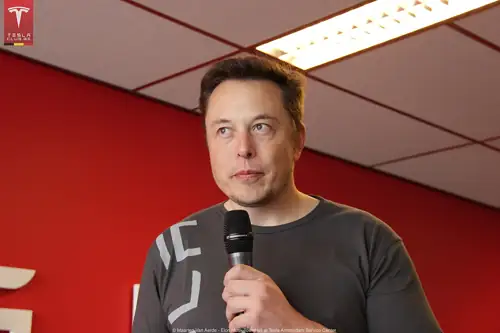
The reporting notes that the idea of empathy as a vulnerability stretches from evangelical pastors all the way to Elon Musk. Yes, that Elon Musk. The man who sat down with Joe Rogan in February 2025 to explain, among other things, how a core human feeling is basically a bug in the software of civilization.
Think about the coalition here. You have pastors who preach from a book that says to love your neighbor as yourself, standing shoulder to shoulder with a billionaire who has famously struggled to do that with his own employees. The theology and the tech bro have found common ground. The common ground is that caring about other people is a security flaw.
The framing keeps showing up in the same arguments. Immigration. Racial justice. LGBTQ+ rights. Every time the subject is a group of people who might need something, empathy gets recast as a trap that bad actors exploit against decent folks. Compassion becomes a con.
The Gospel According to Not Caring
Let's be fair about the actual claim, because the survey question is carefully worded. It does not say empathy is bad in all cases. It says empathy can become dangerous when it leads people away from a society guided by God's truth. That qualifier does a lot of work.
But look at what the qualifier does. It makes empathy conditional. You may feel for people, provided the feeling stays inside the lines drawn by whoever gets to define God's truth. Empathy gets a leash. The moment it wanders toward a migrant, a trans kid, or a protester, it is suddenly a threat to the social order.
That is a strange thing to say about a tradition built around a man who ate with tax collectors and touched lepers. Those were not safe, God's-truth-approved dinner guests. The whole point of the story is that he went toward the people everybody else was told to keep away from. If that guy had a dangerous empathy problem, it was the one that got the whole religion started.
A Quiet Civil War With Very Loud Consequences
Calling this a debate about vibes would be a mistake. Policy follows from how people think about who deserves care. If empathy is a vulnerability, then mass deportation looks like discipline instead of cruelty. Cutting aid looks like tough love. Ignoring racial disparities looks like refusing to be manipulated.
That is the real function of the argument. It is not a seminar topic. It is a permission slip. Once you have decided that feeling for other people is the enemy, you never have to explain why you are comfortable with what happens to them.
And the survey tells us this permission slip is not a fringe position. It is a majority view inside the single largest religious voting bloc on the American right. These are the same voters who have been central to Republican wins for decades, and they are now telling pollsters that compassion needs a warning label.
What The Rest Of The Country Is Saying
The flip side of this finding is just as telling. Every other major religious group in the survey went the other way. Catholics, mainline Protestants, Black Protestants, and the rest did not buy the idea that empathy is a hazard. Neither, presumably, did the large number of Americans who have no religious affiliation at all and still manage to be decent to strangers.
So the picture is not that America has lost its capacity for empathy. It is that one specific, politically powerful slice of American Christianity has decided to treat empathy as a threat to be managed. The rest of us are looking at them like they just announced that gravity is a liberal plot.
That gap is the story. A faith known for radical kindness has a major wing that now lists kindness among the risks.
The Dingo Take
Imagine a poll came out showing that most progressive atheists believed love of neighbor was dangerous when it leads people away from a society guided by science. Cable news would run it for a week. Every pundit in a quarter-zip would demand to know how these people could possibly claim a moral high ground. And they'd be right to ask. Flip it back around and the same people shrug, because apparently the Sermon on the Mount comes with an exemption clause for whichever neighbor is inconvenient.
Here's the thing. Nobody is saying you have to agree with every policy a compassionate person might want. You can argue about borders, budgets, and tradeoffs all day long. That is called politics. What you cannot do, if you want to keep the word Christian on the sign out front, is announce that feeling for other people is the problem. That is not a policy position. It is a spiritual confession, and a damning one.
A movement that calls empathy a vulnerability has already told you how it plans to treat the people it disagrees with. Believe them. They said it to a pollster, out loud, and a majority of them nodded.




Comments