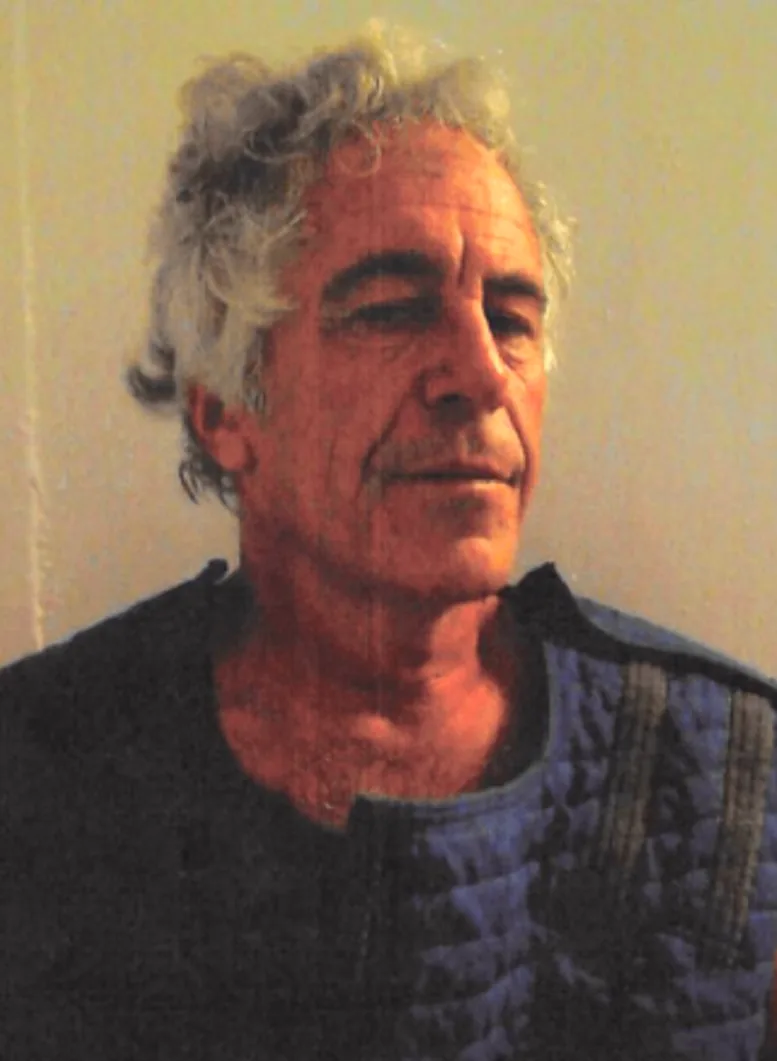
Jeffrey Epstein's longtime attorney and accountant, the two men who now run his estate, are being sued by the state of New Mexico for allegedly helping to "facilitate and conceal" his sex trafficking operation. The complaint claims they collected more than $26 million from Epstein and his entities between 2011 and 2019, and the state wants a judge to stop them from getting paid by the estate while the case plays out. The defendants call the whole thing baseless, and they have a very specific defense: nobody saw anything, because Epstein did his crimes behind closed doors.'
The Lawsuit, By The Numbers
New Mexico Attorney General Raúl Torrez filed the civil suit Wednesday in federal court against attorney Darren Indyke and accountant Richard Kahn, as reported by The Guardian and CBS News. They are named as individuals and in their roles as co-executors of Epstein's estate. The estate itself and the 1953 Trust, which holds its assets, are named too.
The complaint alleges Indyke received more than $16 million from Epstein and related entities from 2011 to 2019, and that Kahn received more than $10 million. That is a lot of money for people who, by their own account, didn't know what the boss was up to.
The lawsuit describes "an informal network of associates bound together by a single purpose: knowingly facilitating and concealing his decades-long criminal conduct to preserve and grow Epstein's fortunes and influence." It also alleges that in exchange for "furthering Epstein's criminal project and remaining silent about it," his associates got generous salaries, access to elite social circles, lavish gifts, and spots as beneficiaries of his multimillion-dollar estate.
Zorro Ranch And The Girls Who Were Brought There
The state's interest here is geographic. Epstein bought Zorro Ranch outside Santa Fe in 1993 and built a mansion, an airstrip, and a helipad on the property. The complaint says Epstein, with help from his associates, "trafficked, isolated, and abused survivors at alluring locations," including that ranch in Stanley, New Mexico.
Epstein was under investigation in the state when he died in 2019 in a federal jail, where he was being held on sex trafficking charges involving minors. The medical examiner ruled his death a suicide. Torrez reopened the New Mexico investigation in February.
The ranch drew fresh attention after the Justice Department released roughly 3 million Epstein files late last year and early this year. The Guardian reported in February that those files contained thousands of references to Zorro Ranch and numerous photos of men and young girls at the property.
Their Defense: Nobody Saw Anything
Indyke and Kahn, through an attorney for Indyke, "emphatically reject" the allegations. Their statement says Epstein's abuse occurred "behind closed doors, in secluded locations, and at times when neither Mr Indyke nor Mr Kahn was present." They also point out that not a single woman has accused either man of committing or witnessing sexual abuse, or said she reported abuse to them.
They added that nobody from the attorney general's office asked to speak with them before filing, which they say raises "serious questions about the thoroughness of the Attorney General's investigation and the motivations for his lawsuit."
They told much the same story to Congress. In testimony before the House committee investigating Epstein, both men said they had no knowledge of his crimes during their employment, beyond his 2008 guilty plea on prostitution charges. So the defense, in full, is that they ran his money and his legal affairs for years and years and never once wondered why a man with a 2008 conviction kept paying so many young women so much money.
This Is Not Their First Rodeo
Survivors have long claimed Indyke and Kahn were key figures in managing the dozens of interconnected companies used to make payments on Epstein's behalf. The two men recently settled a separate lawsuit accusing them of facilitating sham marriages, in which foreign-born victims married Americans whom Epstein abused, for immigration purposes.
Indyke worked closely with Epstein for decades. Kahn did so for more than 10 years. Both survived the 2019 collapse of Epstein's world with their jobs intact, in a sense, because they became co-executors of the estate, the very people deciding who gets what from the pile of money at the center of all this.
That is the part the lawsuit targets directly. New Mexico wants a court order blocking Indyke and Kahn from receiving estate payments while the case proceeds, and wants the estate's assets distributed to survivors.
Survivors Back The Suit
Six survivors, Marina Lacerda, Anouska De Georgiou, Julia Molchanova, Courtney Wild, Jena Lisa Jones, and Chauntae Davies, issued a joint statement supporting the lawsuit. "Those who argue that [Epstein] could not have acted alone are right," they said. "His operation depended on the appearance of legitimacy and access to money carefully structured to avoid exposing his crimes. This lawsuit is aimed at the two men most responsible for that appearance and structure."
In a separate letter, survivors said the case "can expose what roles Indyke and Kahn played in Epstein's operation, examine how they handled survivors' claims, and prevent Epstein's trusted loyalists from being rewarded for their roles." They added: "Epstein's chosen confidants should not get the last word, or the money."
At a news conference, De Georgiou thanked Torrez for "standing with survivors." She said: "We have carried this burden for long enough. It is time for those responsible to answer for their part in it."
Meanwhile, The Justice Department Is Stonewalling New Mexico
The suit lands in the middle of a separate fight between New Mexico and Todd Blanche's Justice Department. Torrez sued the department in August, accusing it of "stonewalling" the state's investigation and demanding access to unredacted Epstein files. His prosecutors, he said, had "faced sustained resistance."
The department has moved to dismiss, arguing that "decisions about law-enforcement information sharing are committed to the agency's discretion" and that handing over unredacted files would violate victims' privacy. Yes, the department is citing victim privacy to avoid handing records to a state attorney general who is suing on behalf of victims.
So here is the situation: a state prosecutor is trying to hold Epstein's enablers accountable, and the federal government is sitting on the evidence.
The Dingo Take
$16 million to the lawyer. $10 million to the accountant. That is what the state says these two men collected between 2011 and 2019, a stretch that began three years after Epstein pleaded guilty to prostitution charges. Their position is that they never knew anything. They prepared the contracts, ran the shell companies, and cut the checks, and the abuse somehow always happened in rooms they weren't standing in.
Maybe that holds up in court. Civil suits are not convictions, and Indyke and Kahn are entitled to fight these allegations. But the executor question needs no verdict to be obscene. These two men are in charge of an estate that survivors have spent years trying to reach, and they have been drawing payments for the privilege. If the state's allegations are even partly true, the people who allegedly kept the machine running are now the ones holding the keys to the money meant to compensate its victims.
And where is the federal government in all of this? Fighting New Mexico in court to keep the files sealed, with an attorney general in Todd Blanche who cites privacy as the reason. Survivors want answers under oath. A state prosecutor is finally trying to get them. The least the Justice Department could do is stop making him sue for the paperwork.



Comments